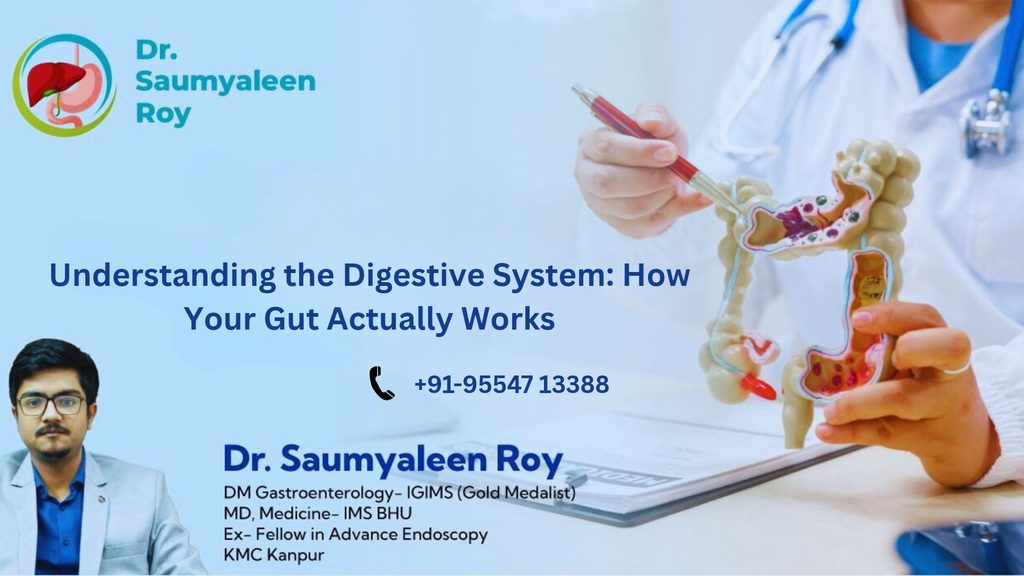
Introduction: What Really Happens After You Eat?
Have you ever wondered what happens to the food you eat after swallowing it? Your body does much more than simply digest a meal. It breaks food into smaller nutrients, absorbs essential substances, produces energy and eliminates waste through a coordinated process involving several organs. From your mouth and stomach to your small and large intestines, every part of your digestive system has a specific role in keeping your body functioning properly.
The digestive system, also known as the gastrointestinal (GI) system, is essential for nutrient absorption, metabolism and overall health. According to the National Institute of Diabetes and Digestive and Kidney Diseases (NIDDK), digestion converts proteins, fats and carbohydrates into smaller components that the body can absorb and use for energy, growth and cell repair. This process involves digestive enzymes, stomach acid, bile, muscular movements, hormones and gut microorganisms.
What Is the Digestive System and Why Is It Important?
The digestive system is a group of organs that work together to break down food into smaller substances that the body can absorb and use. It consists of the gastrointestinal tract, a continuous passage extending from the mouth to the anus, and accessory organs such as the liver, pancreas and gallbladder. Together, these organs perform mechanical digestion, chemical digestion, nutrient absorption and waste elimination.
Digestion is important because your body cannot directly use most foods in their original form. Proteins are broken down into amino acids, carbohydrates into simple sugars and fats into smaller absorbable components. These nutrients are then transported through the bloodstream or lymphatic system to support energy production, tissue growth and cell repair.
According to NIDDK, the major functions of digestion include:
- Breaking down food through mechanical and chemical digestion.
- Absorbing nutrients, vitamins and minerals.
- Helping the body obtain energy from food.
- Supporting water and electrolyte balance.
- Helping gut microorganisms process certain food components.
- Eliminating undigested food and waste products.
Source: NIDDK – Your Digestive System and How It Works.
What Are the Main Organs of the Digestive System?
The human digestive system contains a series of organs that perform different functions during digestion. The gastrointestinal tract includes the mouth, esophagus, stomach, small intestine, large intestine, rectum and anus. Food travels through these organs in a specific sequence while undergoing physical and chemical changes.
The liver, pancreas and gallbladder are accessory digestive organs that support this process by producing, storing or releasing substances needed to break down nutrients. NIDDK identifies these organs as important parts of the digestive system because digestion requires coordinated activity between the GI tract and accessory organs.
1. Mouth and Salivary Glands: Where Digestion Begins
The mouth is the starting point of the digestive process. When you chew food, your teeth break it into smaller pieces, a process called mastication. At the same time, salivary glands release saliva, which moistens food and makes swallowing easier. Saliva contains an enzyme called salivary amylase that begins breaking down starch, a type of carbohydrate.
Your tongue then mixes food with saliva and forms a soft mass called a bolus. During swallowing, the epiglottis helps protect the airway by directing food towards the esophagus. This first stage prepares food for further digestion in the stomach.
Key functions:
- Mechanical digestion through chewing.
- Saliva production.
- Initial starch breakdown.
- Formation of the food bolus.
- Preparation for swallowing.
2. Esophagus: How Food Travels to the Stomach
The esophagus is a muscular tube connecting the throat to the stomach. After swallowing, food moves through the esophagus using coordinated muscular contractions known as peristalsis. These contractions push food downwards, allowing it to reach the stomach without depending entirely on gravity.
At the lower end of the esophagus is a circular muscle called the lower esophageal sphincter (LES). It relaxes to allow food to enter the stomach and normally closes afterward to help prevent stomach contents from flowing backwards. When this mechanism does not function properly, acid reflux symptoms may occur.
Key functions:
- Transports swallowed food to the stomach.
- Uses peristalsis to move food.
- Coordinates the swallowing process.
- Helps prevent backward movement of stomach contents.
Medical reference: NIDDK – How Food Moves Through the GI Tract.
3. Stomach: How Food Is Mixed and Broken Down
The stomach is a muscular, hollow organ that temporarily stores food and mixes it with gastric juices. Its glands produce hydrochloric acid and digestive enzymes, including pepsin, which helps break proteins into smaller peptides. The acidic environment also supports the activation of pepsin and helps reduce many microorganisms entering with food.
As the stomach muscles contract, food mixes with gastric secretions and becomes a semi-liquid substance called chyme. The stomach gradually releases this mixture into the duodenum, the first part of the small intestine, where digestion continues with the help of pancreatic enzymes and bile.
Key functions:
- Temporarily stores food.
- Produces hydrochloric acid and digestive enzymes.
- Begins significant protein digestion.
- Mixes food to form chyme.
- Regulates the movement of food into the small intestine.
Source: NIDDK explains that stomach acid and digestive enzymes help break down food, while stomach muscles mix food with digestive juices before it enters the small intestine.
4. Small Intestine: Where Most Nutrient Absorption Occurs
The small intestine is the primary site of nutrient absorption in the digestive system. It consists of three sections: the duodenum, jejunum and ileum. In the duodenum, partially digested food mixes with bile from the liver and digestive enzymes from the pancreas, allowing carbohydrates, proteins and fats to undergo further breakdown.
The inner lining of the small intestine contains tiny finger-like structures called villi and even smaller structures known as microvilli. These increase the surface area available for nutrient absorption. Digested nutrients cross the intestinal lining and enter the blood or lymphatic system, which transports them to different parts of the body.
Key functions:
- Completes much of the chemical digestion of food.
- Absorbs most dietary nutrients.
- Uses villi and microvilli to increase absorption.
- Transfers nutrients into blood and lymph.
- Supports the absorption of vitamins and minerals.
Research reference: According to NIDDK, the small intestine absorbs most of the nutrients from the food you eat. These nutrients are then transported through the circulatory system to different parts of the body.
5. Large Intestine: Water Absorption and Stool Formation
The large intestine receives undigested food material from the small intestine. Its major functions include absorbing water and electrolytes, supporting gut bacteria and forming stool. The large intestine consists of the cecum, colon and rectum, with the colon making up most of its length.
Gut bacteria help ferment certain undigested carbohydrates and dietary fibres, producing substances such as short-chain fatty acids. As water is absorbed, the remaining material becomes more solid and moves towards the rectum. The rectum stores stool until it is eliminated through the anus during a bowel movement.
Key functions:
- Absorbs water and electrolytes.
- Supports the gut microbiome.
- Helps ferment certain dietary fibres.
- Forms and stores stool.
- Moves waste towards the anus.
6. Liver, Pancreas and Gallbladder: The Supporting Digestive Organs
The liver, pancreas and gallbladder are accessory digestive organs that play an essential role in breaking down and processing nutrients. The liver produces bile, a digestive fluid that helps emulsify dietary fats into smaller droplets. The gallbladder stores and concentrates bile before releasing it into the small intestine when needed.
The pancreas produces digestive enzymes, including amylase, lipase and proteases, which help break down carbohydrates, fats and proteins. It also releases bicarbonate into the duodenum to help neutralize acidic contents arriving from the stomach. The liver additionally processes absorbed nutrients and helps regulate several metabolic functions.
| Organ | Main digestive function |
| Liver | Produces bile and processes nutrients |
| Gallbladder | Stores and releases bile |
| Pancreas | Produces digestive enzymes and bicarbonate |
| Small intestine | Completes digestion and absorbs nutrients |
Source: NIDDK – Your Digestive System and How It Works.
How Does the Digestive System Work Step by Step?
The digestive system works through a coordinated sequence of mechanical movements, chemical reactions and nutrient absorption. Food passes through different organs, where it is mixed with digestive juices and broken down into smaller components that the body can absorb. This process is controlled by muscles, nerves and hormones.
To understand digestion more easily, imagine eating a meal containing rice, dal, vegetables and curd. Your digestive organs begin processing the meal as soon as you start chewing. Each organ contributes to the process until nutrients are absorbed and the remaining waste is eliminated.
The 7-Step Journey of Food Through Your Digestive System
Step 1: Chewing and Saliva Production
Digestion begins in the mouth when teeth break food into smaller pieces. Saliva moistens the food, while salivary amylase starts breaking down starch into smaller carbohydrate molecules.
Step 2: Swallowing and Esophageal Movement
After chewing, the tongue pushes food towards the throat. The food travels through the esophagus through muscular contractions called peristalsis, eventually reaching the stomach.
Step 3: Gastric Digestion in the Stomach
The stomach mixes food with hydrochloric acid and digestive enzymes. Protein digestion begins, and the food gradually becomes a semi-liquid mixture known as chyme.
Step 4: Digestion in the Small Intestine
Chyme enters the duodenum, where it mixes with bile and pancreatic juices. Digestive enzymes break down carbohydrates, proteins and fats into smaller absorbable components.
Step 5: Nutrient Absorption
The small intestine absorbs most nutrients through its intestinal lining. Glucose, amino acids and other nutrients enter the bloodstream, while most absorbed dietary fats initially enter the lymphatic system.
Step 6: Water Absorption in the Large Intestine
Undigested material enters the large intestine, where additional water and electrolytes are absorbed. Gut bacteria help process certain remaining food components, and stool gradually forms.
Step 7: Waste Elimination
The rectum stores stool until a bowel movement occurs. Coordinated muscular activity allows the stool to pass through the anus and leave the body.
Complete digestive pathway:
Mouth → Esophagus → Stomach → Small Intestine → Large Intestine → Rectum → Anus.
Scientific reference: NIDDK describes peristalsis as the muscular movement that pushes food and liquid through the GI tract. It also explains how digestive juices and enzymes break food into smaller components at different stages.
How Does Your Body Break Down Different Types of Food?
Your digestive system uses two main processes to break food into smaller components: mechanical digestion and chemical digestion. Mechanical digestion physically breaks food into smaller pieces through chewing and muscular mixing. Chemical digestion uses enzymes, stomach acid and bile to help convert complex nutrients into forms that can be absorbed by the body.
Different digestive organs contribute to breaking down different nutrients. For example, salivary amylase begins starch digestion in the mouth, pepsin helps digest proteins in the stomach, and pancreatic enzymes continue the breakdown of carbohydrates, proteins and fats in the small intestine.
How Are Carbohydrates, Proteins and Fats Digested?
| Nutrient | Main breakdown products | Important digestive substances |
| Carbohydrates | Simple sugars such as glucose | Amylase and other carbohydrate-digesting enzymes |
| Proteins | Amino acids and smaller peptides | Pepsin and proteases |
| Fats | Fatty acids and monoglycerides | Bile and lipase |
Important digestive enzymes:
- Amylase: Begins and continues starch digestion.
- Pepsin: Helps break down proteins in the stomach.
- Lipase: Breaks down dietary fats.
- Proteases: Break proteins into smaller peptides and amino acids.
- Pancreatic enzymes: Support the digestion of carbohydrates, proteins and fats in the small intestine.
Bile is not an enzyme. It helps emulsify fats, making them easier for digestive enzymes to act upon.
Source: NIDDK – How the Digestive System Breaks Down Food.
How Does Nutrient Absorption Take Place in the Small Intestine?
Nutrient absorption is the process through which digested food components cross the intestinal lining and enter the bloodstream or lymphatic system. Most nutrient absorption occurs in the small intestine, where villi and microvilli provide a large surface area for absorbing essential nutrients. Specialized intestinal cells help transport these substances into the body’s circulation.
After absorption, nutrients are transported to different organs and tissues. Many nutrients travel through the hepatic portal circulation to the liver, where they are processed, stored or redistributed. Most long-chain dietary fats are packaged into particles called chylomicrons and initially transported through lymphatic vessels before entering the bloodstream.
What happens to nutrients after absorption?
- Glucose: Provides energy for cells.
- Amino acids: Support tissue growth and repair.
- Fatty acids: Help with energy storage and cell structure.
- Vitamins and minerals: Support metabolic and physiological functions.
- Water: Helps maintain fluid balance.
Research reference: NIDDK explains that special cells in the small intestine allow absorbed nutrients to cross the intestinal lining. The bloodstream then carries many nutrients to the liver for processing and distribution.
What Is the Gut Microbiome and How Does It Affect Digestive Health?
The gut microbiome refers to the community of microorganisms living in the gastrointestinal tract, including bacteria, viruses and fungi. These microorganisms interact with the intestinal environment and help process certain dietary components that human digestive enzymes cannot completely break down. They are particularly involved in fermenting certain dietary fibres.
This fermentation produces substances such as short-chain fatty acids, which interact with intestinal cells and contribute to normal gut function. The composition of the gut microbiome can vary between individuals and may be influenced by dietary patterns, medications, lifestyle and environmental factors. It is one important part of digestive health, but it should not be treated as the only measure of overall health.
Factors that support a diverse and healthy gut microbiome:
- Eating different types of vegetables and fruits.
- Including whole grains and dietary fibre.
- Consuming pulses such as lentils, beans and chickpeas.
- Including suitable fermented foods if tolerated.
- Avoiding unnecessary antibiotic use.
- Maintaining regular physical activity.
Research reference: NIDDK identifies gut bacteria, also called gut flora or the microbiome, as contributors to digestion. Its digestive system guide also explains how bacteria help break down remaining food components in the large intestine.
What Is the Gut-Brain Connection and Why Does It Matter?
The gut-brain connection refers to the two-way communication between the digestive system and the brain. This communication involves the nervous system, hormones, immune signals and other biological pathways. The enteric nervous system (ENS), a network of nerves located within the gastrointestinal tract, helps regulate digestive movements and the release of digestive secretions.
This connection helps explain why emotional stress can sometimes affect digestion. For example, some people experience changes in bowel movements, abdominal discomfort or nausea during stressful situations. Communication also takes place in the opposite direction, as signals from the gastrointestinal tract can influence brain activity. Persistent symptoms should still be medically evaluated rather than automatically being attributed to stress.
The gut-brain connection helps regulate:
- Movement of food through the GI tract.
- Digestive secretions.
- Hunger and fullness signals.
- Communication between the brain and digestive organs.
- Certain digestive responses to emotional stress.
Scientific reference: NIDDK explains that nerves and hormones communicate between the gastrointestinal tract and brain, helping regulate digestive activity.
What Happens When Different Digestive Organs Do Not Function Properly?
Different digestive organs perform specialized functions, and problems affecting one organ can interfere with normal gastrointestinal activity. For example, dysfunction of the lower esophageal sphincter may contribute to acid reflux, while certain stomach conditions can cause upper abdominal discomfort and indigestion. Similarly, problems affecting the pancreas, liver or intestines can influence digestion and nutrient absorption.
Digestive symptoms can overlap between several conditions, so they should not be used alone to identify a specific disease. A gastroenterologist may recommend medical history assessment, physical examination, blood tests, imaging or endoscopy depending on the symptoms and suspected underlying cause.
| Digestive organ | Examples of related conditions |
| Esophagus | Gastroesophageal reflux disease (GERD), esophagitis |
| Stomach | Gastritis, peptic ulcer disease |
| Small intestine | Celiac disease, malabsorption disorders |
| Large intestine | Irritable bowel syndrome (IBS), ulcerative colitis |
| Liver | Fatty liver disease, hepatitis |
| Pancreas | Pancreatitis |
These conditions have different causes, diagnostic criteria and treatments. A proper medical evaluation is important before reaching any conclusion.
What Are the Common Signs of Digestive Problems?
Digestive problems can affect the esophagus, stomach, intestines and other gastrointestinal organs. Some symptoms may occur occasionally after particular meals or temporary digestive disturbances, while persistent or recurring symptoms may indicate an underlying gastrointestinal condition. Recognizing changes in digestion can help people decide when to seek medical advice.
Common digestive complaints include bloating, abdominal discomfort, constipation, diarrhea, heartburn, nausea and changes in bowel habits. However, the same symptom may occur in different medical conditions. For example, bloating can be associated with dietary factors, constipation, food intolerance or gastrointestinal disorders, making an accurate assessment important.
Common digestive symptoms include:
- Bloating: A feeling of fullness or swelling in the abdomen.
- Constipation: Infrequent bowel movements or difficulty passing stool.
- Diarrhea: Frequent loose or watery stools.
- Heartburn: A burning sensation in the chest commonly associated with acid reflux.
- Abdominal pain: Discomfort or pain in different areas of the abdomen.
- Indigestion: Upper abdominal discomfort, early fullness or excessive belching.
- Nausea: An uncomfortable sensation that may occur with various digestive conditions.
Medical reference: NIDDK provides information about symptoms and causes of indigestion, including upper abdominal discomfort, bloating and nausea.
How Can You Keep Your Digestive System Healthy? The 7-Step Framework
Maintaining digestive health requires consistent dietary and lifestyle habits rather than depending on a single food, supplement or home remedy. A balanced diet containing dietary fibre, adequate fluid intake, regular physical activity and suitable eating patterns can support normal bowel function and overall gastrointestinal health.
According to the World Health Organization (WHO), people older than 10 years should aim for at least 400 grams of fruits and vegetables and at least 25 grams of naturally occurring dietary fibre daily. These recommendations highlight the importance of dietary variety and fibre intake for maintaining a healthy diet.
Step 1: Include Fibre-Rich Foods
Dietary fibre supports bowel regularity and provides nourishment for certain beneficial gut bacteria. Include foods such as vegetables, fruits, oats, whole grains, lentils, beans and chickpeas in your regular diet. Increase fibre intake gradually, particularly if your current diet contains very little fibre.
WHO dietary recommendation: At least 25 grams of naturally occurring dietary fibre daily for people older than 10 years.
Step 2: Stay Adequately Hydrated
Water supports normal bodily functions and helps maintain appropriate stool consistency. Fluid requirements differ between individuals depending on physical activity, climate, health conditions and other factors. Follow any fluid restrictions recommended by your healthcare professional.
Step 3: Eat a Balanced and Varied Diet
Include appropriate quantities of carbohydrates, proteins, healthy fats, vitamins and minerals. A varied diet containing whole grains, vegetables, fruits, pulses and suitable protein sources provides nutrients required for normal digestive and metabolic functions.
Step 4: Develop Consistent Eating Habits
Try to maintain regular meal timings and avoid excessively large meals if they trigger discomfort. Eat slowly, chew food properly and pay attention to how different foods affect your digestive symptoms.
Step 5: Stay Physically Active
Regular movement supports general health and may help maintain bowel regularity. Walking, cycling and other suitable forms of physical activity can be incorporated into your daily routine according to your fitness level and medical condition.
Step 6: Understand Your Food Tolerance
Notice whether specific foods repeatedly trigger symptoms such as bloating, abdominal discomfort or diarrhea. Avoid unnecessary restrictive diets, and consult a healthcare professional if you suspect food intolerance or allergy.
Step 7: Prioritize Sleep and Stress Management
Adequate sleep and stress management support overall well-being. Since the gut and brain communicate through multiple biological pathways, healthy stress-management habits may also help some people manage digestive symptoms. Persistent symptoms should not be dismissed as stress without proper evaluation.
Additional Indian dietary reference: The ICMR–National Institute of Nutrition’s Dietary Guidelines for Indians 2024 recommends consuming at least 400 grams of vegetables and 100 grams of fresh fruits daily. It also emphasizes variety, seasonal produce and the importance of dietary fibre.
.
When Should You Consult a Gastroenterologist?
You should consult a gastroenterologist if you experience persistent, recurring or unexplained digestive symptoms. Occasional bloating or indigestion does not always indicate a serious medical condition, but symptoms that continue, worsen or interfere with everyday activities deserve appropriate medical evaluation.
Certain warning signs require prompt medical attention. These include blood in the stool, black tarry stools, unexplained weight loss, difficulty swallowing, persistent vomiting and severe abdominal pain. Chest pain, vomiting blood or severe and constant abdominal pain may require emergency assessment rather than a routine appointment.
Seek medical advice if you experience:
- Persistent abdominal pain or discomfort.
- Frequent bloating or indigestion.
- Recurrent constipation or diarrhea.
- Difficulty or pain while swallowing.
- Unexplained weight loss.
- Blood in stool or black, tarry stools.
- Persistent vomiting or loss of appetite.
A gastroenterologist can assess your symptoms and determine whether investigations such as blood tests, abdominal imaging, stool tests or endoscopy are appropriate.
Frequently Asked Questions About the Digestive System
1. How Does the Digestive System Work?
The digestive system breaks down food into smaller nutrients that the body can absorb and use. Digestion begins in the mouth, continues through the esophagus and stomach, and takes place mainly in the small intestine. The large intestine absorbs water and helps form stool before waste leaves the body through the anus.
2. What Are the Main Organs of the Digestive System?
The main organs of the gastrointestinal tract are the mouth, esophagus, stomach, small intestine, large intestine, rectum and anus. Accessory digestive organs include the liver, pancreas and gallbladder, which produce, store or release substances needed for digestion.
3. Which Organ Is Mainly Responsible for Nutrient Absorption?
The small intestine is primarily responsible for absorbing nutrients from digested food. Its inner lining contains villi and microvilli that increase the surface area available for absorption. Most dietary carbohydrates, proteins, fats, vitamins and minerals are absorbed through this organ.
4. What Is Peristalsis in the Digestive System?
Peristalsis is a coordinated series of muscular contractions and relaxations that moves food and liquid through the gastrointestinal tract. It helps transport swallowed food from the esophagus to the stomach and moves intestinal contents through the digestive system.
5. What Is the Role of Stomach Acid in Digestion?
Stomach acid, mainly hydrochloric acid, creates an acidic environment that helps activate pepsin and supports protein digestion. It also helps reduce many microorganisms that enter the stomach with food. The stomach lining has protective mechanisms that help prevent damage from its acidic contents.
6. What Is the Difference Between the Small and Large Intestine?
The small intestine is primarily responsible for completing digestion and absorbing most nutrients from food. The large intestine mainly absorbs water and electrolytes, supports gut bacteria and forms stool from the remaining undigested material.
7. What Is the Gut Microbiome?
The gut microbiome is the community of microorganisms living in the gastrointestinal tract. These microorganisms help ferment certain dietary fibres, produce substances such as short-chain fatty acids and interact with the intestinal lining and immune system.
8. How Much Fibre Should I Eat Daily for Better Digestive Health?
According to WHO dietary guidance, people older than 10 years should aim for at least 25 grams of naturally occurring dietary fibre daily. Fibre-rich foods include vegetables, fruits, whole grains, lentils and beans. Individual requirements may vary depending on health conditions and dietary tolerance.
9. Does Gut Health Affect Overall Health?
Yes. The gastrointestinal system contributes to nutrient absorption, metabolism, immune function and communication between the gut and brain. Normal digestive function helps the body obtain and use the nutrients needed for everyday physiological activities.
10. When Should I See a Gastroenterologist?
Consult a gastroenterologist if you experience persistent abdominal pain, recurring bloating, frequent changes in bowel habits, difficulty swallowing or unexplained weight loss. Blood in stool, vomiting blood, severe abdominal pain or other serious symptoms require prompt medical assessment.
Final Thoughts: Understanding Your Gut Is the First Step Towards Better Digestive Health
Your digestive system does much more than process the food you eat. It breaks down nutrients, absorbs essential substances, supports gut microorganisms and communicates with the nervous system to maintain normal bodily functions. Every organ, from the mouth and stomach to the small and large intestines, performs an important role in this complex process.
Understanding how your gut works can help you become more aware of your digestive health and recognize changes that may require medical attention. Maintaining balanced dietary habits, staying physically active and seeking professional advice when symptoms persist are important steps towards better gastrointestinal health.
About Dr. Saumyaleen Roy – Gastroenterologist

Dr. Saumyaleen Roy is a gastroenterologist involved in the evaluation and management of digestive and gastrointestinal health concerns. Understanding the underlying causes of digestive symptoms, identifying gastrointestinal disorders and guiding patients towards appropriate investigations and treatment are important aspects of gastroenterological care.
Digestive symptoms such as persistent bloating, abdominal discomfort, acidity, constipation and changes in bowel habits can have different underlying causes. A professional medical evaluation helps determine the reason for these symptoms and whether further investigations or treatment are necessary.
Experiencing persistent digestive problems? Consult Dr. Saumyaleen Roy for a professional evaluation and guidance regarding your gastrointestinal health.
Doctor’s profile: https://drsaumyaleenroy.in/
Clinic details: https://share.google/r4fG9IGDuYAOhAuaV
Address – Gurudham Chauraha, opposite of Dressland Showroom, Gurudham Chauraha,Near Bal Hanuman Mandir,Opposite SG Classes, Durgakund, Jawahar Nagar Colony, Bhelupur, Varanasi, Uttar Pradesh 221005
Phone – +91-955473388
Medical Disclaimer
This article is intended for general educational purposes and does not replace professional medical advice, diagnosis or treatment. Digestive symptoms can have different causes, and treatment should be based on an individual’s medical history and clinical evaluation.
Medical Reviewer: Dr. Saumyaleen Roy (include this attribution only after the doctor has reviewed and approved the article).
Last Updated: November 2026.