
Best Liver Doctor in Varanasi: A Patient’s Guide to Choosing the Right Specialist
Best Liver Doctor in Varanasi : A Patient’s Guide to Choosing the Right Specialist Liver Problems are sometimes called “silent killers” because their warning signs creep in so slowly. If you’re feeling unusually tired, bloated after meals, or suddenly notice yellowing skin, you should see a liver expert sooner rather than later. This post walks you through those early signs, explains what to look for in the best Liver Doctor in Varanasi, and shows you how to protect your health with careful, fact-based decisions. Why Liver Health Matters Think of your liver as your body’s round-the-clock manager. It detoxifies, aids digestion, stores quick energy, balances hormones, and juggles hundreds of other chores you never think about. Once that manager breaks down, everything else can spiral downhill fast. Common liver problems include: Fatty liver disease Hepatitis B and C Cirrhosis Alcoholic liver disease Liver cancer Autoimmune liver diseases Bile duct disorders Most of these issues are treatable or controllable when caught early, so seeing a good liver doctor in Varanasi after the first signs shows is crucial. What Makes a Good Liver Doctor? Choosing the right doctor for your liver concerns can shape how quickly you get the right diagnosis and how well treatment works. Here are the key traits to consider when finding a top liver expert in Varanasi: Qualifications and Experience Look for a physician who first earned an MD in Internal Medicine and then completed a DM in Gastroenterology, plus years of direct work with patients facing every kind of liver problem. Diagnostic Approach When you seek help for liver issues, find a specialist who digs deep into every possible clue. Expect them to start with regular Liver Function Tests, look at pictures from ultrasound and newer scans, peer inside the gut with endoscopy or colonoscopy, maybe take a tiny piece of the liver for study, and even use ERCP or EUS when special tubes and cameras are needed. Modern Treatment Methods A capable liver expert should also be ready to roll up their sleeves for the hands-on work. Ask if they do ERCP to fish out stubborn bile duct stones, take EUS-guided samples or drain fluid, close leaks with third-space endoscopy, band swollen veins that bleed from cirrhosis, and lean on gentle options that cut hospital time and skin cuts. Holistic Patient Care Since the liver teams up with digestion, metabolism, and immunity, wise care reaches beyond test results and scars. Look for clinics that offer meal plans, shots against hepatitis, guides to cut alcohol, checks for diabetes or obesity, and steady follow-ups that keep watch over long-lasting liver problems. How Technology Has Changed Liver Treatment Not long ago, liver patients braced for pain and weeks of slowing down after procedures. Today, smart gadgets help doctors catch trouble early, target problems with laser-like accuracy, and speed up healing. The leading teams in Varanasi now grab tools like Endoscopic Retrograde Cholangiopancreatography- ERCP-to spot and fix bile-tube trouble, pair that with Endoscopic Ultrasound-EUS-to scout and sample organs with tiny needles, and use Fibroscan-to measure liver stiffness with a soft push instead of a biopsy. Endoscopic Retrograde Cholangiopancreatography (ERCP) – to diagnose and treat bile duct conditions Endoscopic Ultrasound (EUS) – to visualize and biopsy internal organs with high precision Fibroscan – to assess liver stiffness non-invasively Ultrasound & Doppler – to monitor blood flow in the liver 24×7 lab facilities – for real-time liver function testing Questions to Ask Before Choosing a Liver Specialist If you want the right liver expert in Varanasi, try these questions at your first visit: How many patients like me have you treated? Which tests will you order, and why each one? Will my problem need surgery, or can we use medicine? How often will you want to see me again? Can you advise me on diet and daily habits? Is your clinic ready for endoscopy, ultrasound, and urgent care on-site? A doctor who talks clearly and shows empathy cares about your peace of mind, not only the numbers. Who is the Best Liver Doctor in Varanasi? By looking at training, patient reviews, cutting-edge therapies, and up-to-date facilities, many people name Dr. Saumyaleen Roy as one of the best Liver doctor in Varanasi. Now, let’s explore his background and see why he is the go-to choice for liver health. Meet Dr. Saumyaleen Roy – Your Trusted Partner for Liver Health Medical Excellence: Dr. Saumyaleen Roy earned his MD in Internal Medicine from the Institute of Medical Sciences, BHU, in Varanasi, followed by a DM in Gastroenterology from IGIMS, Patna. His dedication to learning was recognized with a Gold Medal during his gastro training. Advanced Expertise: Dr. Roy has completed fellowships in Advanced Endoscopy, EUS, ERCP, and Third-Space Endoscopy, giving him the skills to tackle tough liver, pancreas, and GI problems using gentle, minimally invasive methods. State-of-the-Art Clinic: He practices at Shree Vinayaka Gastro Liver Care, located at Gurudham Chauraha, Varanasi — a well-equipped center offering: UGI Endoscopy Colonoscopy ERCP Endoscopic Ultrasound EUS Liver Biopsies Ultrasound & Color Doppler 24-7 Emergency Care Fully computerized lab services The clinic works closely with Heritage Hospital, so critical cases can be admitted and treated without delay. Why Patients Trust Dr. Saumyaleen Roy People in Varanasi and its suburbs keep recommending Dr. Roy for his Care that feels tailor-made Calm, honest talk before any procedure Emphasis on prevention and healthy habits Steady hands during tricky endoscopic treatment A mix of professionalism and warmth. Final Thought: Don’t Delay Liver Care Letting liver issues slide can cost more than pain-it can steal years of health. Catching trouble early, following Dr. Roy’s plan, and sticking with regular checks can stop damage and, in many cases, turn things around. So, if you or someone close has signs like fatigue, bloating, or jaundice, call for an appointment today. Meet Dr. Saumyaleen Roy- the best liver doctor in Varanasi When it comes to liver problems, many people in Varanasi choose Dr. Saumyaleen Roy as the best Liver Doctor in Varanasi because he mixes advanced
Expert Gastroenterologist Varanasi-What You Need to Know
Expert Gastroenterologist Varanasi – -What You Need to Know Most of us barely think about our gut until something hurts, yet digestive health quietly influences almost every other part of the body. In a vibrant city like Varanasi, with its rich food culture, long-lived customs, and slow-changing living habits, the gut can catch a strain from heavy curries, street food, erratic schedules, and seasonal bugs that tourists and locals share alike. When issues like persistent heartburn, unexplained belly cramps, or jaundice emerge, booking an appointment with a local gastroenterologist Varanasi often turns vague anxiety into clear answers, effective treatment, and solid follow-up. In this blog, we shed light on why special digestive care matters, list everyday complaints seen in Banaras, and outline the latest tests and therapies offered. Why Gastro-enterological Care Matters in Varanasi People in Varanasi routinely swap festival sweets, oily chaats, and spicy chutneys, yet prolonged heat, drinking-only boiled water, shift work, and air pollution confuse the gut system as much as friendly microbes settle it. On top of that, many still treat themselves with over-the-counter antacids or stop a therapy as soon as symptoms fade, causing delays in spotting gastritis, acid-reflux disease, fatty liver, or irritable-bowel syndrome-conditions that can swerve from painful to dangerous. Common Gastrointestinal Problems That Need Specialist Care Lots of people put up with tummy trouble for years, but some signs mean you should call a gastroenterologist. Here are a few issues the specialists see most often: Acid Reflux and GERD: Burning in the chest, a bitter taste, or pain that wakes you up is more than “just indigestion.” Catching it early stops acid damage to the esophagus. Peptic Ulcers: Ulcers hurt in the belly and can bleed silently. They usually come from H. pylori germs or too many painkillers, so tests matter. Liver Disorders: Problems like fatty liver, hepatitis, or cirrhosis show up with yellow skin, swollen ankles, or high enzyme levels. The liver heals better when a doctor watches. IBS and IBD: Gas, diarrhea, constipation, or cramps might mean irritable bowel syndrome, while Crohn’s and ulcerative colitis are more serious types of inflammatory bowel disease. Gastrointestinal Bleeding: Never brush off red in your stool, dark vomit, or black breath. Blood means something inside is damaged, and a gastroenterologist must look right away. Diagnostic Tools a Gastroenterologist Uses Today, diagnostics are quick and rarely need hospital stays. A top Varanasi gastroenterologist may use these tools in the clinic: Upper GI Endoscopy: for looking inside the esophagus, stomach, and first part of the intestine. Colonoscopy: Aimed at spotting abnormal growths, swelling, or cancer in the large intestine. Endoscopic Biopsy: Small tissue samples are taken during the scope to look for cancer cells or infection. ERCP (Endoscopic Retrograde Cholangiopancreatography): Investigates blockages or disease in the bile and pancreatic ducts. EUS (Endoscopic Ultrasound): Uses sound waves from a flexible scope to visualize the deep digestive tract and nearby organs, including the pancreas. Together, these procedures support early diagnosis, quicker therapy, and better overall outcomes. Choosing the Right Gastroenterologist in Varanasi When you’re ready to pick a specialist, keep these points in mind: Qualifications: Search for a doctor with a DM in Gastroenterology obtained after an MD degree. Experience: Opt for a physician who has handled many different endoscopic investigations and treatments. Infrastructure: Confirm that the clinic or hospital boasts up-to-date gear such as EUS, ERCP, and digital scopes. Patient Care Approach: Empathy, clear explanations, and ongoing support are essential for a satisfactory long-term relationship. Innovations in GI Care in Varanasi Gone are the days when patients had to trek to big cities for advanced care. Varanasi now offers cutting-edge procedures such as: Endoscopic stenting for blocked bile or digestive ducts Variceal banding to stop bleeding from swollen liver veins Balloon dilatation for narrow spots in the gullet or bowel Third-space endoscopy to remove early cancers or treat achalasia These techniques use small incisions or none at all, causing less pain and speeding recovery. When Should You See a Gastroenterologist? Most people shrug off gut trouble, convincing themselves it’s just gas or a passing bug. Yet you should book a gastro visit in Varanasi if you have: Pain, bloating, or fullness that never fades Daily nausea or vomiting that won’t subside Blood in stools or black, tarry motions Skin or eyes turning yellow (jaundice) Sudden loss of appetite or unexplained weight drop Ongoing diarrhoea or constipation for weeks Relatives who battled bowel or liver cancer Finding the problem early can save your life and spare you harsher treatment later. How to Make the Most of Your Visit When you see the doctor, bring any past reports and jot down your main symptoms. That way, he or she can piece together your story quickly. Then don’t hesitate to ask questions like: What might be causing the problems I have? Will I need an endoscopy or colonoscopy? Could some changes at home fix this, or do I need pills or a procedure? What steps will we take after today? When should I notice some relief? These clear questions help both you and your doctor stay on the same page and build trust over time. Meet Dr. Saumyaleen Roy: Leading Gastroenterologist in Varanasi If your search for a gastroenterologist Varanasi keeps bringing up Dr. Saumyaleen Roy, it’s not a mere coincidence—he has earned that spotlight. With more than ten years in the clinic, he holds an MD from the well-respected Institute of Medical Sciences at BHU and, as a gold medallist, a DM in Gastroenterology from IGIMS, Patna. Always pushing to learn more, he has finished fellowships in Endoscopic Ultrasound, ERCP, and Third-Space Endoscopy. Those extra tools let him diagnose and treat tough problems in the GI tract and liver with the kind of care most patients appreciate. Dr. Roys Clinic Shree Vinayaka Gastro Liver Care Tucked away in central Varanasi, Dr. Roy’s small but modern clinic brings all GI services under one roof. Whether you need a routine endoscopy, a colonoscopy, or something more specific like variceal banding
Piles Surgery in Varanasi: A Comprehensive Guide
Piles, or hemorrhoids, touch the lives of millions but remain an awkward topic for many. When lifestyle changes and over-the-counter creams no longer ease the discomfort, people start thinking about Piles surgery in Varanasi. This guide walks through the condition itself, the full range of treatment options, what the surgical journey looks like in this city, and how to find a qualified doctor, all without turning the text into an advertisement. Understanding Piles: What Causes Them? Hemorrhoids are enlarged veins inside or outside the anal canal. They might be internal-germing within the rectum-or external-forming a lump around the anus. Common reasons for their growth include: Chronic constipation and heavy straining A mostly desk-bound or inactive routine Pregnancy, which raises pelvic pressure Being overweight and eating a low-fibre diet People often notice bright-red bleeding during bowel movements, itching or burning around the opening, general soreness, and, in advanced cases, a painful protrusion that will not return inside. The Silent Rise of Liver Diseases As lifestyle-related diseases are increasing, such as the fatty liver, hepatitis and cirrhosis have become increasingly frequent, even among young individuals. Insufficient diet, drinking as well as viral infections and overweight are the main causes. The early detection of liver disease is crucial. The majority of liver disorders don’t exhibit obvious symptoms until the advanced stage. Therefore, liver function tests as well as ultrasounds are suggested even if you’re not susceptible. When Conservative Treatment Is Insufficient Most mild to moderate hemorrhoid problems can be reliably treated through: A high-fiber diet complemented by generous fluid intake Over-the-counter creams and suppositories Warm sitz baths several times a day Simple office procedures such as rubber-band ligation or sclerotherapy In Varanasi, for example, many patients choose sclerotherapy—or piles injection—which specialists perform routinely on Grade I and II internal piles. Yet when hemorrhoids advance to Grade III or IV or produce debilitating pain, piles surgery in Varanasi often becomes the safest, fastest solution. Piles Surgery in Varanasi: Types and Recovery Expectations Surgeons currently offer four main operations: Conventional hemorrhoidectomy- complete excision of internal and external piles. Long-lasting results, but higher immediate pain and a longer healing period. Stapled hemorrhoidopexy (PPH)- a circular stapler lifts the prolapsed tissue and reduces its blood supply. Mildly painful, heals quickly, though recurrences occur slightly more often. Laser hemorrhoidoplasty- focused laser energy coagulates the enlarged vessels. Minimal bleeding, swift recovery, and usually little discomfort. Hemorrhoidal artery ligation (HALO, or THD)- Doppler guidance allows the surgeon to locate and tie the feeding arteries. Ingenious, but it relies on precise skill and training. Recovery is usually marked by several weeks of mild discomfort, the need for judicious pain control, a light diet, and sensible limits on physical activity. When the procedure is performed by a seasoned surgeon in a properly equipped center, that healing period shortens considerably. Choosing a Specialist: Why Expertise Matters Selecting a piles surgeon in Varanasi is an important decision. Although many refer to themselves as specialists, their training and skill levels can differ markedly. Consider the following factors when evaluating options: Qualifications & Experience: Opt for gastroenterologists or surgeons whose formal training covers a broad range of GI procedures and who perform advanced hemorrhoid interventions on a regular basis. Available Techniques: Some clinics offer only basic excisional surgery; others provide minimally invasive choices such as stapling, laser, or Doppler-guided procedures. Be sure your doctor is comfortable with the method best suited to your anatomy and symptom severity. Facility Infrastructure: Reliable outcomes depend on high-quality imaging and support services, so verify that the center has endoscopic ultrasound, dedicated anesthesia staff, and an up-to-date sterile environment. Patient-Centric Approach: Thoughtful follow-up care, realistic pain management plans, dietary advice, and timely check-ups after discharge can shorten convalescence and reduce complications. Why Varanasi Is Emerging as a Hub for Piles Surgery In just a few years Varanasi has grown into a regional center for GI surgery, drawing patients who once felt they had no choice but to travel to larger cities. Factors behind this shift include: Specialist clinics equipped with modern anesthesia labs and high-definition endoscopy suites. Accessible pricing that protects quality without imposing a financial burden. Grass-roots awareness campaigns encouraging earlier diagnosis and treatment. Stringent hygiene protocols are now standard in most private surgical units. Together, these advances allow locals to receive expert care close to home. Preparing for Surgery: What You Should Know Before having piles surgery in Varanasi, please complete these steps: Diagnostic Evaluation- A colonoscopy or sigmoidoscopy will rule out other causes. Pre-Surgery Counselling- You’ll learn about fasting, bowel prep, and any needed changes to your medicines. Hospital Stay- Most procedures are day-care cases; if not, you’ll stay only one night. Recovery Plan- Instruction covers using stool softeners, taking pain relief, eating fiber, and returning for follow-up. Post-Operative Care: To Ensure Smooth Recovery A smooth recovery depends on: Pain Management- Take prescribed medications when needed. Diet & Fluids- Eat high-fiber meals and drink plenty of water to ease bowel movements. Physical Activity- Gentle walking helps; avoid heavy lifting for 2 to 3 weeks. Hygiene- Daily sitz baths, light cleaning, and keeping the area dry prevent infection. Follow-Up Visits– Return for wound care and for the doctor to check for problems. The Road Ahead: Living Pile-Free Post-treatment success often rests on sensible, everyday habits: Eat a fiber-rich diet with whole grains, fruit, and vegetables. Drink plenty of water throughout the day (about 2–3 L). Avoid prolonged sitting, heavy lifting, or straining on the toilet. Aim for 30 minutes of gentle exercise most days. Catch and treat any early symptoms right away to stop recurrence. Choosing the Right Piles Doctor in Varanasi When looking for a Piles specialist in Varanasi, check that the doctor: Is skilled in both non-surgical methods (injection, ligation) and surgery. Works in a clinic with endoscopy, colonoscopy, and modern GI tools. Receives positive reviews for effective care and compassionate support. In the heart of Varanasi, Dr. Saumyaleen Roy is a trusted piles specialist. He earned-medicine the University, Patna) and a Gold Medal, he has fellowships in Endoscopic Ultrasound
Best Gastroenterologist in Varanasi – Dr. Saumyaleen Roy
Best Gastroenterologist in Varanasi – Dr. Saumyaleen Roy Dr. Saumyaleen – Best Gastroenterologist in Varanasi Problems with digestion are something that many are unable to address until they’re too bothersome or unpleasant to bear. It doesn’t matter if it’s frequent acidity frequent bowel movements as well as stomach bloating and unanswerable fatigue, our digestive system constantly sends us signals. When those signals get intense, it’s the time to speak with an professional. In Varanasi there is a name that is prominent in the field of the field of liver and digestive health – Dr. Saumyaleen Roy. She is a doctor loved by thousands of patients for her caring, contemporary and precise treatment. In this article we’ll discuss the reasons why good digestion is important, and how you can recognize the warning signs in a timely manner and also why doctor. Saumyaleen is known as one of the best gastroenterologist in Varanasi currently. Understanding Gastroenterology: Why It Matters The digestive system of our body is an intricate but fragile system. It takes in all the food we consume and converts it to energy and then eliminates the garbage. However, when something goes wrong – whether the cause is an inflammation, infection, or chronic disease, it can affect not just your stomach, but all of the body. Common Gastro Problems You Shouldn’t Ignore: Heartburn and acidity that are frequent Diarrhea or constipation In stools, blood Unexplained weight loss Abdominal discomfort Bloating and gas Yellowing or jaundice of the eyes and the skin If any of them sound familiar, and they’ve remained for longer than a couple of days, it’s the right time to consider them serious. The Silent Rise of Liver Diseases As lifestyle-related diseases are increasing, such as the fatty liver, hepatitis and cirrhosis have become increasingly frequent, even among young individuals. Insufficient diet, drinking as well as viral infections and overweight are the main causes. The early detection of liver disease is crucial. The majority of liver disorders don’t exhibit obvious symptoms until the advanced stage. Therefore, liver function tests as well as ultrasounds are suggested even if you’re not susceptible. Why a Specialist Makes All the Difference General physicians are able to handle small stomach problems but a gastroenterologist has been specially educated to treat and diagnose complicated liver and digestive diseases. From colonoscopies and endoscopies, to the most advanced liver treatment and treatment procedures The right specialist will ensure that issues are addressed by addressing the source of the problem, not only symptoms. Meet Dr. Saumyaleen Roy: Varanasi’s Trusted GI Expert If it’s gastroenterology at Varanasi the doctor the Dr. Saumyaleen Roy stands out due to his extensive clinical knowledge and patient-first philosophy. His Background: MD of Internal Medicine at BHU’s Institute of Medical Sciences. DM in Gastroenterology at IGIMS Patna, where he was presented with an IGIMS Patna Gold Medal. Expertise on Advanced Endoscopy, including Endoscopic Ultrasound (EUS), ERCP, as well as other minimally invasive procedures. What makes him different? The first time in Purvanchal to undergo the EUS-guided gastrojejunostomy which is a sophisticated method for treating certain complicated problems with the stomach and the intestinal. Transparency and education of patients in the treatment. Experienced in a broad spectrum in liver as well as GI conditions. Conditions Treated by Dr. Saumyaleen Dr. Roy treats the full variety of GI and liver disorders. Here are a few of the most frequently encountered issues that he treats Acidity and GERD (Acid Reflux)A persistent heartburn, a sour flavor on the tongue, or trouble swallowing are typical signs. The doctor Dr. Roy, provides dietary guidance and medications, as well as, occasionally the use of endoscopic techniques. Irritable Bowel Syndrome (IBS)The symptoms include cramping, bloating, and frequent stool movements. The doctor works with every patient to create a personalized plan of treatment that incorporates the diet and medications. Fatty Liver & Hepatitis (A, B, C)He utilizes the tests for blood, imaging, as well as liver biopsies when needed. Antiviral treatment and lifestyle modification make up a large component of his treatment plan. Piles, Fissures & Rectal BleedingIf you see blood in your stool, pain in the bowel movement, or rectal pain do not ignore it. Doctor. Roy offers painless procedures and advice on lifestyle. Pancreatitis Expert in diagnosing and treating chronic or acute inflammation of the pancreas, often brought on by gallstones, alcohol, or medication. Cirrhosis & Liver Failure He can provide long-term monitoring of the management of complications and prompt treatment for severe liver disorders. State-of-the-Art Facilities Doctor. Roy practices at Shree Vinayaka Gastro Liver Care as well as being associated with Heritage Hospital, Varanasi. His clinics have: The latest colonoscopy and endoscopy devices Labs for testing the function of the liver 24×7 emergency care support Staff trained in nursing and clean surroundings Patients are waiting in a private lounge, in a private and comfortable space Importance of Endoscopy & Colonoscopy Numerous GI conditions require a close inspection of your digestive tract. The doctor. Roy performs: Upper GI Endoscopy to treat concerns like ulcers, gastritis as well as acid reflux and bleeding. Colonoscopy is a procedure for large intestine problems such as polyps, cancer screening or unprovoked bleeding. The two procedures are safe, painless and last less than thirty minutes. They provide clear information and assist in determining the best treatment for you. What Makes Dr. Saumyaleen So Patient-Friendly? Patients adore Dr. Roy not just because of his expertise, but due to the compassion the doctor shows in every single procedure: Spends the time to listen: He is a firm believer in knowing the way you live, your eating habits, as well as your emotional stress prior to giving any guidance. Simple Communication: There’s no medical terminology. He clarifies every disease and test result in a manner that is easy to comprehend. Follow-up Support: No matter if you’re receiving treatment or undergoing a procedure, this team makes sure that you receive the proper after-care and reminders. Health Tips Dr. Saumyaleen Wants Every Patient to Know Do not ignore the persistent acidity. It may be a symptom that you have GERD or ulcers. Beware of
Bloating, Acid Reflux, Ulcers? See the Best Doctors for Gastric Problem in Varanasi
Mustard oil hisses in street-side woks across Varanasi, a soundtrack most visitors file under local charm. For many regulars, the aftershocks-heartburn, bloating, the urgent dash to a public toilet-are merely the cost of doing lunch. Experts, however, watch such reports closely, for what feels trivial can quietly signal gastritis, early IBS, or acid reflux. Relying on a packet of chewable antacids, day in and day out, invites bleaker outcomes, including the slow bleed of an untreated ulcer. Persistent symptoms deserve more than a shrug; a targeted scan or endoscopy eventually rules out the worst. Gastro Doctor Extraordinaire: Who They Are and What They Do. Gastroenterology, a subspeciality nested within internal medicine, concentrates exclusively on the stomach, intestines, and accessory glands. When a patient reports abdominal pain, bloating, or sudden weight loss, the specialist often begins with a careful history and light palpation of the abdomen before deciding whether an ultrasound, an endoscopy, or simply a dietary overhaul is warranted. From Crohn’s and ulcerative colitis to hepatitis, cirrhosis, and gastrointestinal hemorrhage, their clinical repertoire covers an impressive array of disorders. Most modern gastroenterologists equip themselves with slender, fiber-optic scopes that thread down the esophagus or up the rectum, allowing live images to appear on a monitor as tissue biopsies or polyp excisions are performed. Such procedures may be done under mild sedation, yet the patient remains awake enough to answer questions during the inspection. Routine surveillance colonoscopy, especially in high-risk demographics, has become a keystone practice for detecting malignancies before they progress to advanced stages. If your stomach issues don’t go away, seeing an expert like Dr. Saumyaleen Roy, serving as the best doctors for Gastric problem in Varanasi, can make the difference between a minor issue and a serious condition. Common Gastric Disorders: What You Shouldn’t Ignore Here are some common gastric issues that require medical attention: Acid Reflux & GERD (Gastroesophageal Reflux Disease) Acid that shoots back up into the throat, a taste like pennies, and a flame-in-the-chest feeling all point toward GERD- a nickname for gastroesophageal reflux disease. The danger is more than pain; over the years, the esophagus may erode and one day start bleeding or, even scarier, turn cancerous. Gastritis and Peptic Ulcers A churning gut paired with nausea, plus soreness in the finger that lands on it, could hint at gastritis or a peptic ulcer. Either complaint can brew after too many anti-inflammatories or because a sneaky germ called H. pylori decides to camp out. The worst-case headline is an ulcer that breaks a blood vessel, and that’s exactly why stomach warnings are never casual. Irritable Bowel Syndrome IBS shows up as sudden cramps, annoying bloating, or an unpredictable flip between constipation and diarrhea. The condition won’t kill you, yet the constant tug-of-war with your digestive system can wreck a good day and force you to tinker with food choices and medications. Inflammatory Bowel Disease: Crohn’s disease and ulcerative colitis Both fall under the IBD umbrella; both are stubborn autoimmune troubles that keep the intestines in a state of simmering anger. People battling IBD usually end up under a specialist’s eye for life, relying on immunotherapy drugs and routine endoscopies to stay one step ahead. Liver-Related Digestive Issues When the liver slows down, the warning signs may appear through the gut-tinged skin, which turns an odd yellow, a belly that feels bloated, or ankles that puff up after a long day. Catching these signs early is wise, so if they linger longer than a week, a visit to a doctor becomes more than a good idea. Why Choose Specialized Care in Varanasi? Most people in India still hop a train to Delhi or Lucknow for high-end digestive treatment, but that story is changing in Varanasi. Once better known for its ghats than its hospitals, the city is gaining modern medical options, and Dr. Saumyaleen Roy is a renowned name as the best doctors for Gastric problem in Varanasi. His clinic now offers techniques you’d expect in a metro, and patients say the level of care matches what they’d find anywhere else. Let’s look at why so many locals trust Dr. Roy with their gastric headaches. Dr. Saumyaleen Roy- Your Trusted Gut Doctor Stellar Academic Background Dr. Roy is a Gold Medalist in DM Gastroenterology from IGIMS Patna, one of India’s reputed medical institutions. He previously completed his MD in Internal Medicine at the Institute of Medical Sciences, Banaras Hindu University (IMS BHU), which speaks volumes about his academic and clinical foundation. What truly sets him apart is his specialization in advanced endoscopic and therapeutic procedures, an area not commonly available outside metro cities. His education is complemented by training in: Endoscopic Ultrasound (EUS) Endoscopic Retrograde Cholangiopancreatography (ERCP) Third-Space Endoscopy Complex GI bleeding management Broad Skill Set Dr. Roy treats a wide range of digestive problems—not just stomach pain, but also liver issues and everything in between. Patients come to him with ongoing gastritis, severe heartburn, and slow-healing duodenal ulcers. He regularly handles cases of viral hepatitis (types A, B, and C), as well as liver problems caused by alcohol or other reasons. He also deals with more complex issues like intestinal bleeding, swollen veins, pancreas problems, and irritated colons. Many people visit him with vague or confusing symptoms, like brief belly pain, sudden bloating, or unexpected weight loss. While these signs may seem unrelated, Dr. Roy carefully investigates them to find the real cause and offer the right treatment. Shree Vinayaka Gastro Liver Care feels like a modern, well-equipped hospital. Patients walk in to find clean, shiny floors and a glass-walled area where medical staff get ready for the day. Dr. Roy works here full-time and handles everything from endoscopies to colonoscopies without even leaving the room. He can take a biopsy, do advanced procedures like ERCP or EUS, all in one smooth flow. The hospital also has its own ultrasound room and pathology lab, where test results are ready quickly, even at night. And if there’s an emergency, the team is always
The Importance of Endoscopy in Gastrointestinal Care
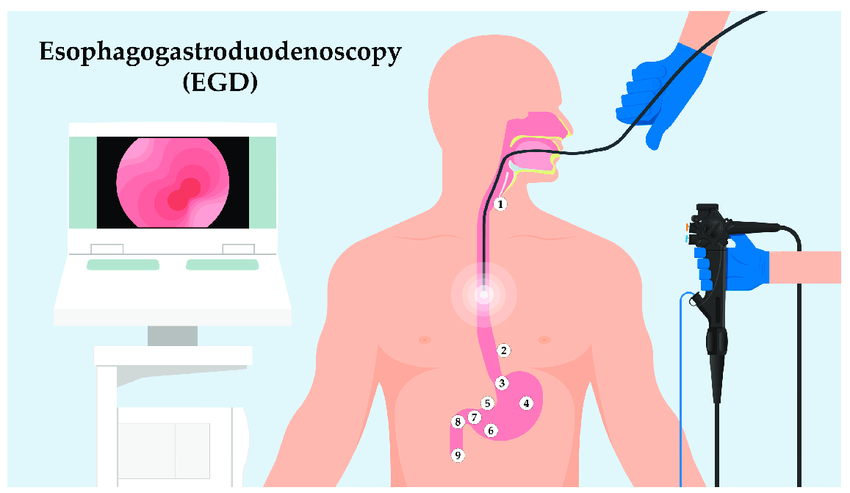
Endoscopy is a revolutionary medical procedure that enables doctors to examine and treat various gastrointestinal (GI) conditions without the need for major surgery. Using a flexible tube with a camera and light at its tip, endoscopy provides real-time imaging and access to the digestive tract, making it an essential tool for both diagnosis and treatment. Key Endoscopic Procedures and Their Benefits 1. CBD Stone Removal (Common Bile Duct Stone Removal) 2. Pancreatitis Management 3. Esophageal Stenting 4. Strictures Dilation Why Choose Endoscopy? ✅ Minimally Invasive: No major cuts or stitches required, reducing recovery time. ✅ Quick Recovery: Most procedures are done on an outpatient basis with minimal downtime. ✅ Highly Accurate Diagnosis: Real-time imaging ensures precise detection of abnormalities. ✅ Personalized Care: Dr. Saumyaleen Roy offers expert endoscopic procedures for early diagnosis and effective treatment of GI disorders. When Should You Consider Endoscopy? If you experience persistent digestive issues such as difficulty swallowing, unexplained weight loss, persistent acid reflux, or jaundice, an endoscopic evaluation can help detect underlying conditions early. For advanced and personalized gastroenterology care, consult Dr. Saumyaleen Roy today and ensure your digestive health is in expert hands. Book an appointment now!
Understanding Haematemesis and Bleeding Per Rectum
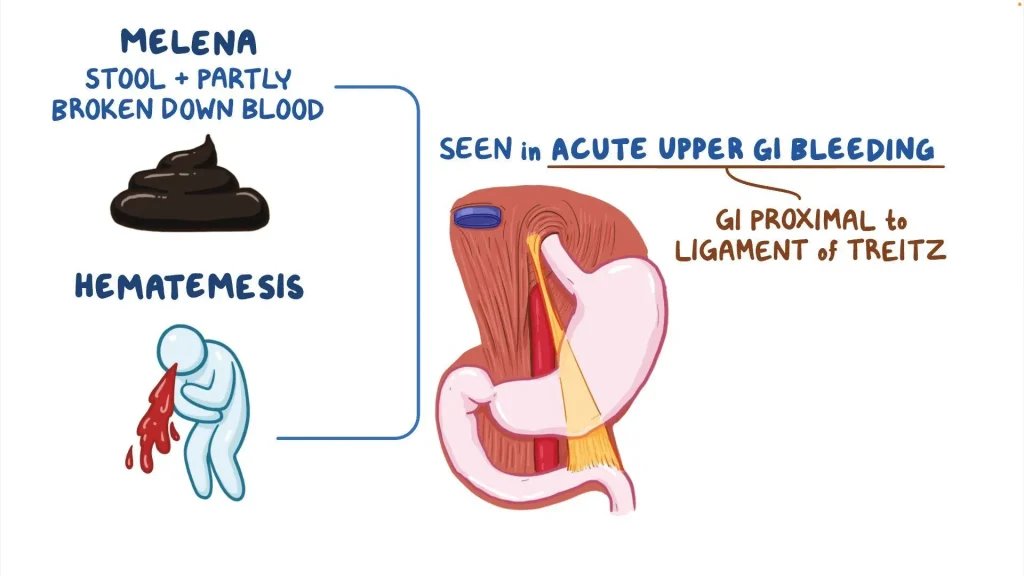
What is Haematemesis? Haematemesis refers to the condition of vomiting blood, which is a serious symptom indicating upper gastrointestinal (GI) bleeding. The blood may appear bright red or resemble coffee grounds due to partial digestion by stomach acids. Causes of Haematemesis: Haematemesis is a medical emergency that requires immediate attention, as excessive blood loss can be life-threatening. What is Bleeding Per Rectum? Bleeding per rectum refers to blood in stool or rectal bleeding, which can range from bright red streaks to dark-colored stools (melena). It indicates lower gastrointestinal bleeding and may be caused by: Common Causes: If you notice persistent rectal bleeding, seek medical consultation immediately to rule out serious conditions. Diagnosis and Management Diagnostic Tests: Treatment Options: When to Seek Medical Help? Seek urgent medical care if you experience: Early diagnosis is key to preventing complications. Dr. Saumyaleen Roy specializes in gastroenterology and liver care, offering expert evaluation and treatment for gastrointestinal bleeding conditions. Book an appointment today for a thorough assessment and personalized care.
Understanding Ulcer Bleeding and Variceal Bleeding
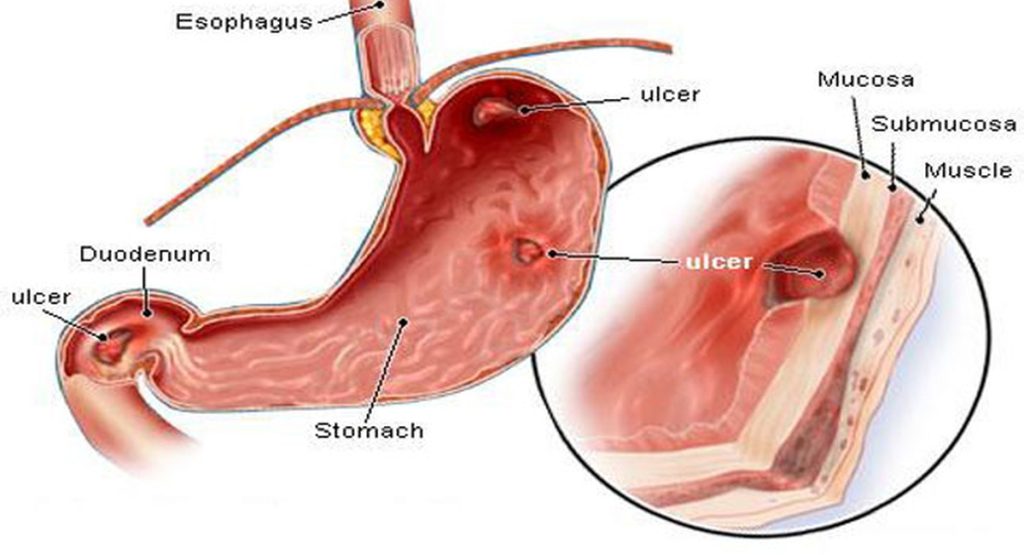
What is Ulcer Bleeding? Ulcer bleeding occurs when an open sore in the stomach or small intestine begins to bleed. This condition can result in serious complications, including black stools (melena), vomiting blood (hematemesis), dizziness, and severe abdominal pain. The primary causes of ulcer bleeding include: If left untreated, ulcer bleeding can lead to significant blood loss and require emergency medical intervention. What is Variceal Bleeding? Variceal bleeding occurs when swollen veins (varices) in the esophagus or stomach rupture and bleed. This condition is commonly associated with liver cirrhosis, where scarring of the liver obstructs normal blood flow, causing pressure to build up in the veins. Symptoms of Variceal Bleeding: Variceal bleeding is a medical emergency and requires immediate intervention to prevent life-threatening complications. Treatment and Prevention Managing ulcer bleeding and variceal bleeding requires a combination of medications, endoscopic procedures, and lifestyle changes to prevent recurrence. Medications Endoscopic Procedures Lifestyle Changes for Prevention When to Seek Medical Help If you experience any symptoms of ulcer bleeding or variceal bleeding, such as vomiting blood, black stools, severe dizziness, or fainting, seek immediate medical attention. Early diagnosis and prompt treatment can prevent severe complications and improve outcomes. For expert care and comprehensive gastroenterology treatment, book an appointment with Dr. Saumyaleen Roy today.