
What Should You Eat After an Endoscopy? A Complete Recovery Diet Guide
Summary: After an endoscopy, it is best to wait until the numbness in your throat wears off before eating or drinking. Start with soft, easy-to-digest foods such as khichdi, plain rice, soup, curd, bananas, oatmeal, and mashed potatoes, and drink plenty of water to stay hydrated. Avoid spicy, fried, oily foods, alcohol, and carbonated drinks for at least 24 hours, as they may irritate your stomach or throat. Most people recover within a day, but if you experience severe stomach pain, fever, vomiting, difficulty swallowing, or bleeding, contact your doctor immediately. Following these simple diet and recovery tips can help your digestive system heal comfortably after an upper GI endoscopy. Introduction An endoscopy is a simple procedure that helps your doctor look inside your food pipe (esophagus), stomach, and the first part of the small intestine (duodenum). It is commonly done to find the cause of problems like acid reflux (GERD), gastritis, stomach ulcers, stomach pain, difficulty swallowing, vomiting, indigestion, and unexplained bleeding. The procedure usually takes only 15 to 30 minutes, and most people can go home the same day. One of the first questions people ask after the procedure is, “What should I eat after an endoscopy?“ This is important because your throat or stomach may feel a little sore for a few hours. If you received sedation or your doctor took a biopsy, your digestive system may need a little extra care before you return to your normal diet. Eating the right foods can help you feel comfortable, reduce stomach upset, and make recovery easier. When Can You Eat After an Endoscopy? You should wait until the numbness in your throat is completely gone before eating or drinking anything. If your throat was sprayed with a numbing medicine, eating too early can make swallowing difficult and increase the risk of choking. Most people can safely drink water and eat within 30 minutes to 2 hours, but always follow the instructions given by your gastroenterologist. Start slowly. Take a few sips of water first. If swallowing feels normal, you can begin with soft foods. Eat small portions instead of a heavy meal, chew your food well, and stop eating if you feel pain or discomfort. If a biopsy was taken, your doctor may ask you to stay on a soft diet for a day before returning to your regular meals. What Should You Eat After an Endoscopy? Your first meal should be light, soft, and easy to digest. Heavy, spicy, or oily food can make your stomach feel uncomfortable, especially if you already have gastritis, acid reflux (GERD), or a stomach ulcer. Simple home-cooked food is the best choice. Foods like khichdi, plain rice, oatmeal, curd, bananas, soup, boiled vegetables, mashed potatoes, and scrambled eggs are gentle on the stomach and provide the nutrients your body needs while you recover. Best Foods to Eat After an Endoscopy Food Why It Is a Good Choice Khichdi Soft, light, and easy to digest Plain rice Gentle on the stomach Vegetable soup Easy to swallow and keeps you hydrated Oatmeal Soft and filling Curd or yogurt Contains probiotics that support gut health Banana Easy to digest and rich in potassium Scrambled eggs Good source of protein Applesauce Soft and gentle on the stomach Mashed potatoes Light and easy to eat Soft cooked vegetables Provide vitamins without irritating the stomach Drink enough water throughout the day. You can also have coconut water, ORS, clear soup, or herbal tea once your throat feels comfortable. Staying hydrated is especially important if you received sedation because it can leave you feeling slightly dehydrated. What Foods and Drinks Should You Avoid After an Endoscopy? Your stomach may be a little sensitive for a few hours after the procedure. Eating the wrong foods too soon can cause stomach pain, acidity, nausea, bloating, or heartburn. For the first 24 hours, choose simple home-cooked meals and avoid foods that are difficult to digest. If your doctor took a biopsy or found inflammation in your esophagus or stomach, you may need to avoid spicy and heavy meals for a little longer. Always follow the advice given by your gastroenterologist. Foods to Avoid After an Endoscopy Avoid These Foods Why Should You Avoid Them? Spicy food Can increase burning and stomach irritation Fried or oily food Takes longer to digest and may cause nausea Alcohol Can irritate the stomach and slow recovery Soft drinks May cause gas and bloating Very hot tea or coffee Can irritate a sore throat Chips and crunchy snacks May scratch a sensitive throat Citrus juices May increase acidity in some people If you have GERD, gastritis, or a stomach ulcer, avoid foods that usually trigger your symptoms until your stomach feels completely normal. Tips for a Smooth Recovery After an Endoscopy Most people feel normal by the next day. A mild sore throat, a little gas, or bloating is common because air is used during the procedure. These symptoms usually go away on their own without treatment. To recover comfortably, follow these simple tips: There is no need to force yourself to eat if you are not hungry. Start with liquids and eat only when you feel comfortable. When Should You Call Your Doctor? A mild sore throat or slight bloating is normal after an endoscopy. However, contact your doctor immediately if you notice: These problems are uncommon but need medical attention as soon as possible. Frequently Asked Questions Can I drink water after an endoscopy? Yes. Once the numbness in your throat is gone and you can swallow normally, start with small sips of water. If you feel comfortable, you can gradually drink more. Can I drink tea or coffee after an endoscopy? It is better to wait until your stomach feels normal. If you drink tea or coffee, choose a small cup and avoid very hot drinks. Can I eat rice after an endoscopy? Yes. Plain rice or khichdi is one of the safest foods after an endoscopy because it is soft and
How Should You Prepare for a Colonoscopy? A Complete Step-by-Step Guide
Short Summary Preparing for a colonoscopy is crucial for accurate results and early detection of digestive conditions, including colorectal cancer. This guide explains the complete preparation process, including diet, bowel prep, medications, hydration, and recovery tips. By following these steps, you can help ensure a smooth procedure and reliable results. If you’re in Varanasi, Shree Vinayaka Gastro Liver Care, led by Dr. Saumyaleen Roy, offers expert colonoscopy services with personalized patient care. Introduction Preparing for a colonoscopy is one of the most important steps in ensuring an accurate examination of your colon. A clean bowel allows your gastroenterologist to clearly identify polyps, inflammation, bleeding, or early signs of colorectal cancer. If the bowel is not properly cleaned, the procedure may need to be repeated. Whether you’re preparing for your first colonoscopy, helping your parents, or looking for guidance for your child, this guide explains everything you need to know—from diet and medications to bowel preparation and recovery. What Is a Colonoscopy? A colonoscopy is a procedure that allows a gastroenterologist to examine the inside of the colon and rectum using a flexible tube with a tiny camera. It is considered the gold standard for detecting colorectal cancer, colon polyps, inflammatory bowel disease (IBD), and other digestive disorders. Doctors may recommend a colonoscopy if you are 45 years or older, have a family history of colorectal cancer, or experience symptoms such as rectal bleeding, persistent constipation, chronic diarrhea, unexplained weight loss, or ongoing abdominal pain. Why Is Proper Colonoscopy Preparation Important? Good bowel preparation is essential for a successful colonoscopy. Any stool left inside the colon can block the doctor’s view, making it difficult to detect small polyps or early signs of disease. Proper preparation helps improve diagnostic accuracy, reduces the need for repeat procedures, shortens examination time, and increases the chances of detecting colorectal cancer at an early stage. Colonoscopy Preparation Timeline Timeline What You Should Do 7 Days Before Inform your doctor about medications and medical conditions. 3 Days Before Start a low-fiber diet. 1 Day Before Switch to a clear liquid diet and begin bowel preparation. Procedure Day Follow fasting instructions and arrive with a companion if sedation is planned. 7 Days Before Your Colonoscopy Tell your doctor about all prescription medicines, over-the-counter drugs, vitamins, and herbal supplements. Certain medications, such as blood thinners, diabetes medications, or iron supplements, may require adjustment before the procedure. If you have heart disease, kidney disease, or allergies, inform your healthcare provider so they can provide personalized colonoscopy instructions. 3 Days Before: Follow a Low-Fiber Diet A low-fiber diet helps reduce stool residue in the colon, making bowel cleansing more effective. Eat Avoid White rice Brown rice White bread Whole-grain bread Eggs Nuts & seeds Chicken & Fish Raw vegetables Yogurt Corn & popcorn Paneer Fruits with seeds Drink plenty of water throughout the day to stay hydrated. One Day Before: Clear Liquid Diet The day before your colonoscopy, consume only clear liquids unless your doctor advises otherwise. Allowed Avoid Hydration is important because bowel preparation can lead to fluid and electrolyte loss. Bowel Preparation (Colonoscopy Prep) Your doctor will prescribe a bowel preparation solution (laxative). Drink it exactly as instructed. Many doctors recommend split-dose bowel preparation, where half the solution is taken the evening before and the remaining half on the morning of the procedure. During bowel preparation, expect frequent bowel movements. Stay close to a restroom and continue drinking clear fluids to prevent dehydration. Can You Take Medicines Before a Colonoscopy? Never stop medications without medical advice. Medication Recommendation Blood thinners Consult your doctor Diabetes medications Dose adjustment may be needed Insulin Follow individualized instructions Iron supplements Often stopped several days earlier Herbal supplements Inform your gastroenterologist What Happens on the Day of the Colonoscopy? Wear comfortable clothing and arrive on time. If sedation is planned, arrange for a family member or friend to drive you home afterward. The procedure usually takes 20–45 minutes. Most patients experience little to no pain because sedation is commonly used. If polyps are found, they can often be removed during the same procedure. Common Mistakes to Avoid Avoiding these mistakes improves the quality of your colon examination. Recovery After a Colonoscopy You may experience mild bloating, gas, or drowsiness after the procedure. These symptoms usually improve within a few hours. Seek medical attention immediately if you develop severe abdominal pain, heavy rectal bleeding, persistent vomiting, fever, or dizziness after your colonoscopy. Colonoscopy Preparation Checklist ✔ Schedule your appointment ✔ Discuss medications with your doctor ✔ Buy the bowel preparation solution ✔ Start a low-fiber diet ✔ Follow a clear liquid diet ✔ Stay hydrated ✔ Arrange transportation ✔ Carry previous medical reports Frequently Asked Questions Can I drink water before a colonoscopy? Yes. Clear liquids are generally allowed until the time specified by your doctor. Is colonoscopy preparation painful? The preparation itself is not painful, but frequent bowel movements can be uncomfortable. Staying hydrated and following instructions can help. What happens if bowel preparation is incomplete? Your doctor may not be able to clearly examine your colon, and the procedure may need to be repeated. Can I brush my teeth before a colonoscopy? Yes, but avoid swallowing water unless instructed otherwise. How long does recovery take? Most people recover within 24 hours after sedation and can return to normal activities the next day. Conclusion Preparing for a colonoscopy is just as important as the procedure itself. Following the recommended diet, completing bowel preparation, staying hydrated, and taking medications only as advised by your doctor can help ensure accurate results and reduce the need for repeat testing. If you have any questions about your preparation, consult your gastroenterologist before the procedure rather than making changes on your own. Book a Colonoscopy in Varanasi If you or a family member needs a colonoscopy in Varanasi, Shree Vinayaka Gastro Liver Care offers advanced diagnostic and therapeutic colonoscopy services under the expert care of Dr. Saumyaleen Roy, an experienced gastroenterologist. Whether you need colorectal cancer screening, evaluation
Advanced Hepatitis B Treatment in Varanasi with Expert Liver Care by Dr. Saumyaleen Roy
Short Summary Hepatitis B is a viral infection that can silently damage the liver and may lead to fibrosis, cirrhosis or liver cancer if left unmanaged. A positive HBsAg report alone does not confirm whether treatment is required. Proper evaluation includes HBV DNA viral load, liver function tests, ultrasound and fibrosis assessment. Some patients need antiviral medicines, while others require regular monitoring. Dr. Saumyaleen Roy, MD Medicine, DM Gastroenterology and Gold Medalist, provides personalised hepatitis B treatment in Varanasi at Shree Vinayaka Gastro Liver Care. His approach focuses on assessing viral activity, liver health and individual risk factors before planning treatment. Timely diagnosis, regular follow-up, avoiding alcohol and protecting family members through testing and vaccination can help reduce long-term liver complications. Introduction A positive hepatitis B report can be worrying. However, one positive test does not show how active the virus is or whether the liver has already developed damage. The next step should be a proper medical evaluation, not panic or self-medication. Hepatitis B treatment in Varanasi should be planned after checking the HBV DNA viral load, liver enzymes, liver fibrosis, cirrhosis risk and overall health. Some patients need antiviral medicine. Others may only need structured monitoring at regular intervals. Dr. Saumyaleen Roy provides evaluation and long-term management for hepatitis B and other liver conditions at Shree Vinayaka Gastro Liver Care in Varanasi. His medical training includes MD in Medicine from IMS BHU and DM in Gastroenterology from IGIMS Patna, where his official profile states that he received a Gold Medal. Hepatitis B Treatment: Quick Answers Common question Clear answer What is hepatitis B? It is a viral infection caused by the hepatitis B virus, also known as HBV. It affects the liver. Does every hepatitis B patient need medicine? No. Treatment depends on viral load, liver enzymes, fibrosis, cirrhosis and other risk factors. Can treatment protect the liver? Antiviral treatment can suppress the virus and lower the risk of cirrhosis, liver cancer and liver-related complications. Can hepatitis B be completely cured? Current medicines usually control the virus rather than removing it completely. Which doctor treats hepatitis B? A gastroenterologist, hepatologist or doctor experienced in chronic hepatitis B management. What is the first step after an HBsAg-positive report? Consult a liver specialist for HBV DNA, liver function and fibrosis assessment. WHO states that treatment, when indicated, can slow cirrhosis, reduce cases of liver cancer and improve long-term survival. Why Hepatitis B Needs Timely Medical Attention Hepatitis B can remain silent for a long time. A person may feel healthy even when the virus is active or liver fibrosis is slowly developing. This is why absence of symptoms should not be treated as proof that the liver is safe. Global Hepatitis B Statistics The WHO’s updated 2026 fact sheet provides the following estimates for 2024: Global indicator WHO estimate People living with chronic hepatitis B 240 million New hepatitis B infections each year 0.9 million Hepatitis B-related deaths in 2024 1.1 million People aware of their infection status 65 million, around 27% People receiving antiviral treatment 10 million, around 4.3% Most hepatitis B-related deaths are linked with cirrhosis and hepatocellular carcinoma, which is the main type of primary liver cancer. Hepatitis B Burden in India The Government of India’s 2019 National Viral Hepatitis Control Programme technical guideline estimated that approximately 40 million people in India were living with chronic hepatitis B. The same guideline associated chronic HBV infection with around 40% of hepatocellular carcinoma cases and 20% to 30% of cirrhosis cases in India. These are programme estimates based on the regional evidence available at that time and should not be presented as current 2026 prevalence data. What Is Hepatitis B? Hepatitis B is a liver infection caused by the hepatitis B virus. The infection can be: Blood tests are necessary because symptoms alone cannot confirm hepatitis B or identify its stage. WHO also notes that laboratory testing is required to distinguish hepatitis B from other causes of viral hepatitis. Acute Hepatitis B Acute hepatitis B develops during the first few months after infection. Many adults clear an acute infection naturally. Treatment in uncomplicated cases usually focuses on hydration, nutrition, symptom relief and repeat liver tests. A patient may require urgent hospital care if there is severe jaundice, persistent vomiting, confusion, unusual bleeding or concern about acute liver failure. WHO notes that severe acute hepatitis can progress to liver failure. Chronic Hepatitis B Chronic hepatitis B is a long-term infection. Over time, active infection can lead to: A patient may have chronic hepatitis B without pain, jaundice or weakness. Regular follow-up remains important even when the person feels normal. Acute and Chronic Hepatitis B Compared Point Acute hepatitis B Chronic hepatitis B Duration Recent infection Long-term infection Common course Many adults recover naturally Virus may remain in the body Usual management Supportive care and monitoring Monitoring or antiviral treatment Main concern Rare cases of acute liver failure Fibrosis, cirrhosis and liver cancer Follow-up Based on symptoms and recovery Regular long-term monitoring Common Symptoms of Hepatitis B Many patients do not experience symptoms during the early stage. When symptoms appear, they may include: These symptoms are not specific to hepatitis B. Blood tests and a medical examination are needed to identify the actual cause. When Should You Seek Urgent Medical Care? Contact a doctor or hospital promptly if you notice: These signs may indicate significant liver dysfunction or another serious medical condition. How Does Hepatitis B Spread? Hepatitis B can spread through infected blood and certain body fluids. Common transmission routes include: WHO states that childbirth, early childhood exposure, sexual contact, contaminated sharp instruments and unsafe injections are important routes of hepatitis B transmission. Hepatitis B Does Not Normally Spread Through Hepatitis B is not generally spread by: Correct information is important because hepatitis B patients often face unnecessary fear or social stigma. Who Should Get Tested for Hepatitis B? Testing should be discussed with a doctor if you: WHO recommends testing pregnant women, family members and partners of infected
Liver Cirrhosis Treatment in Varanasi: How Timely Gastro Care Helped Improve One Patient’s Condition
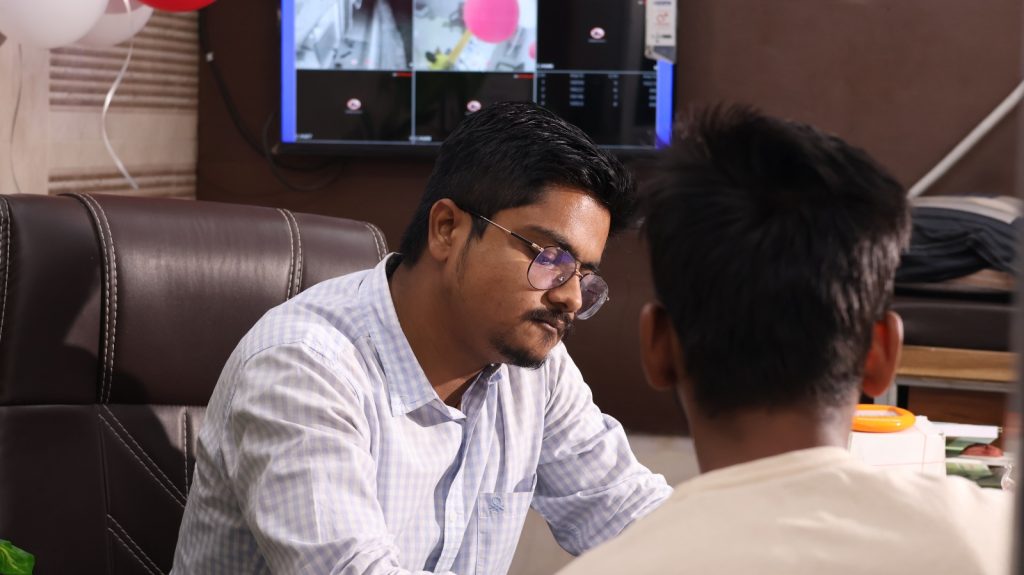
When Shivam Yadav from Mirzapur first visited the clinic, his condition had already started affecting his daily life. Persistent abdominal swelling, fluid accumulation in the stomach, swelling in the legs, weakness, and difficulty walking had made even routine activities uncomfortable. Along with physical discomfort, he was also struggling with reduced appetite and breathing difficulty, which are commonly seen in advanced liver-related conditions. Like many liver disease patients in Eastern Uttar Pradesh, the early symptoms were initially ignored because they appeared gradual. However, as the swelling increased and mobility became difficult, the need for proper gastroenterology evaluation became important. After reaching Varanasi for specialist consultation, a detailed assessment was planned to understand the underlying severity of the condition. Understanding the Early Symptoms of Liver Cirrhosis Liver cirrhosis often develops silently over time. Many patients do not experience obvious symptoms during the early stages, which is why diagnosis is frequently delayed until complications begin appearing. Symptoms such as abdominal bloating, fatigue, swelling in the feet, poor appetite, jaundice, or sudden weakness should never be ignored, especially in patients with existing liver conditions or digestive health issues. In Shivam’s case, multiple warning signs had already started appearing together. These included: These symptoms can significantly reduce quality of life if proper medical evaluation is delayed. Why Proper Liver Evaluation Matters Chronic liver disease can affect several body functions beyond digestion alone. In advanced liver cirrhosis, increased pressure inside liver blood vessels and reduced protein production may lead to fluid retention inside the abdomen. This condition, medically called ascites, is one of the most common complications associated with liver cirrhosis. At the clinic, a structured gastroenterology evaluation was performed under the supervision of Dr. Saumyaleen Roy. The assessment included clinical examination, ultrasound evaluation, liver assessment, and endoscopy to understand the severity of the condition and identify possible complications associated with chronic liver disease. How the Treatment Plan Was Structured Once the diagnosis and overall liver condition were evaluated, a treatment and monitoring plan was initiated according to the patient’s symptoms and medical condition. The primary focus was on managing fluid accumulation, reducing swelling, improving nutritional intake, and stabilizing overall health. Continuous follow-up and monitoring were also emphasized because chronic liver conditions often require long-term management. The treatment approach included: Instead of focusing only on short-term symptom relief, the overall goal was to improve daily comfort, mobility, and quality of life through structured gastro care. Improvements Observed After Treatment Over time, noticeable improvement was observed in several symptoms that were initially affecting the patient’s daily routine. The abdominal swelling gradually reduced, physical movement became more comfortable, and appetite started improving. The patient also reported better breathing comfort compared to the earlier condition. Some of the improvements reported included: ✅ Reduction in abdominal swelling✅ Better appetite✅ Reduced swelling in the body✅ Improved walking comfort✅ Better physical stability✅ Improvement in day-to-day activities For many chronic liver disease patients, symptom improvement and proper monitoring play an important role in maintaining long-term health and preventing complications from becoming severe. A Real Patient Experience from Near Varanasi During the interaction, Shivam shared that before treatment he was facing severe discomfort due to swelling and weakness. Routine activities had become difficult, and physical energy levels were continuously dropping. Like many patients coming from nearby areas such as Mirzapur, Chandauli, and Bhadohi, reaching an experienced liver and gastro specialist in Varanasi became an important step toward understanding the condition properly. After treatment and follow-up care, the patient expressed that he was feeling significantly more comfortable than before. Improvement in appetite, reduced swelling, and better mobility contributed positively to his daily life. While liver cirrhosis requires continuous monitoring and medical care, timely gastroenterology support can help manage symptoms more effectively. Liver Disease Awareness in India Liver disease is becoming an increasingly important health concern across India. Clinical studies and gastroenterology reports suggest that delayed diagnosis remains one of the biggest reasons why many patients seek treatment only after serious complications begin appearing. Symptoms like abdominal fluid accumulation, jaundice, fatigue, and swelling are often ignored during the initial stages. Healthcare experts also emphasize that conditions such as fatty liver disease, alcohol-related liver injury, hepatitis infections, and chronic digestive disorders can gradually contribute to liver damage over time. Early screening, timely diagnosis, and regular follow-up with a gastroenterologist may help identify complications before they become more severe. Symptoms That Should Never Be Ignored Many liver-related symptoms can appear slowly and may initially seem minor. However, persistent digestive or swelling-related symptoms should always be evaluated properly, especially if they continue for several days or worsen over time. Important warning signs include: Patients experiencing these symptoms should consider early consultation with a liver specialist or gastroenterologist for proper evaluation. Expert Gastro Care in Varanasi Patients from Varanasi and nearby districts including Mirzapur, Jaunpur, Chandauli, and Bhadohi often seek specialized gastroenterology consultation for liver and digestive health concerns. Conditions such as liver cirrhosis, fatty liver disease, acid reflux, gastrointestinal bleeding, and chronic abdominal disorders require detailed evaluation and continuous monitoring. Dr. Saumyaleen Roy specializes in managing complex gastrointestinal and liver-related conditions with a patient-focused approach emphasizing proper diagnosis, symptom management, endoscopy evaluation, and long-term digestive health monitoring. When Should You Consult a Liver Specialist? Ignoring persistent swelling, appetite loss, jaundice, or digestive discomfort can sometimes allow liver-related complications to progress further. Early medical evaluation becomes important when symptoms start affecting physical comfort, breathing, mobility, or nutritional intake. If you or a family member is experiencing symptoms related to chronic liver disease, abdominal fluid accumulation, or digestive health concerns, timely consultation with a gastroenterologist in Varanasi may help in understanding the condition and planning appropriate treatment and monitoring. Don’t ignore persistent abdominal swelling, appetite loss, or liver-related symptoms.Get timely evaluation and expert gastro care in Varanasi before complications become severe. visit us on : https://share.google/T1lVU2BXsrwn10U7i
Things to Consider Before Choosing a Gastroenterologist in Varanasi
Summary Choosing the right gastroenterologist in Varanasi involves checking the doctor’s qualifications, experience, specialization, patient reviews, and hospital facilities. Patients should also consider expertise in treating digestive disorders, liver diseases, acidity, GERD, IBS, and procedures like endoscopy or colonoscopy. Selecting an experienced gastro specialist helps ensure accurate diagnosis, proper treatment, and better long-term digestive health management. Introduction Digestive and liver-related problems are becoming increasingly common due to unhealthy eating habits, stress, irregular routines, and lifestyle changes. Whether you are dealing with acidity, bloating, stomach pain, fatty liver, IBS, or GERD, choosing the right gastroenterologist is important for accurate diagnosis and proper treatment. Many people in Varanasi visit a gastro specialist only after symptoms become severe, while others choose a doctor without checking qualifications, experience, or hospital facilities. Understanding what to look for before selecting a gastroenterologist can help you receive better digestive care and avoid unnecessary complications. Understand When You Need a Gastroenterologist Common Digestive Symptoms That Require Specialist Care You should consider visiting a gastroenterologist if you regularly experience: These symptoms may indicate digestive disorders, gastrointestinal infections, ulcers, liver disease, or chronic stomach conditions that require specialist care. Difference Between a General Physician and a Gastroenterologist A general physician treats common health problems, while a gastroenterologist specializes in diseases related to the digestive system, liver, pancreas, intestine, and stomach. Gastro specialists are trained to diagnose and manage complex digestive conditions using advanced procedures like endoscopy and colonoscopy. Conditions Commonly Treated by Gastroenterologists Gastroenterologists commonly treat: Check the Doctor’s Qualifications and Experience Importance of DM or Specialized Gastroenterology Training Before choosing a gastroenterologist in Varanasi, check whether the doctor has specialized DM Gastroenterology training or equivalent qualifications. Specialized training indicates expertise in diagnosing and treating complex digestive and liver diseases. Experience in Treating Digestive and Liver Disorders Experience plays an important role in gastro care. Doctors who regularly manage digestive disorders, liver diseases, acidity, IBS, and gastrointestinal infections are often better at identifying symptoms and recommending proper treatment plans. Expertise in Endoscopy and Colonoscopy Procedures Endoscopy and colonoscopy are commonly used for diagnosing ulcers, acid reflux, bleeding, intestinal problems, and stomach diseases. Choosing a doctor experienced in these procedures helps improve safety and diagnostic accuracy. Experience With Complex Gastrointestinal Conditions Patients with chronic liver disease, pancreatitis, inflammatory bowel disease, or severe digestive disorders should choose specialists experienced in handling complex gastrointestinal conditions. Look for Specialization Based on Your Condition Choosing a Gastroenterologist for Acidity and GERD If you frequently experience chest burning, acid reflux, or chronic acidity, look for a doctor experienced in GERD and digestive disorder management. Finding a Liver Specialist in Varanasi Patients with fatty liver, jaundice, hepatitis, or liver cirrhosis should choose a gastroenterologist with expertise in liver-related diseases and hepatology care. Choosing a Doctor for IBS and Digestive Disorders IBS and long-term digestive disorders often require dietary guidance, lifestyle management, and continuous follow-up care. Selecting a specialist experienced in gut health and digestive treatment can improve recovery and symptom management. Gastro Specialists for Endoscopy and Colonoscopy If your condition requires endoscopy or colonoscopy, choose a clinic or hospital equipped with advanced diagnostic facilities and experienced procedural support. Read Patient Reviews and Testimonials Carefully What Genuine Patient Reviews Can Tell You Patient reviews can provide useful insights into consultation quality, diagnosis accuracy, doctor behavior, waiting time, and overall patient experience. Signs of Trusted and Experienced Gastro Care Positive signs often include: Red Flags to Avoid While Checking Reviews Be cautious if multiple reviews mention: Evaluate Hospital or Clinic Facilities Availability of Advanced Diagnostic Facilities Modern gastroenterology treatment often requires facilities such as: Clinics with in-house diagnostic services can help speed up diagnosis and treatment. Cleanliness and Patient Safety Standards Clean hospital environments and proper hygiene standards are especially important for digestive procedures and patient safety. Availability of Emergency Gastro Care Digestive emergencies such as gastrointestinal bleeding, severe abdominal pain, or liver complications may require urgent medical attention. Checking emergency support availability is important before choosing a clinic. Importance of In-House Endoscopy and Colonoscopy Services Hospitals with in-house endoscopy and colonoscopy facilities offer better convenience and faster testing for patients with digestive symptoms. Consider Location and Appointment Availability Choosing a Convenient Clinic Location in Varanasi Frequent follow-up visits may become difficult if the clinic is too far away. Choosing a conveniently located gastro clinic in Varanasi can make treatment easier and more manageable. Waiting Time and Appointment Scheduling Clinics with organized appointment systems and manageable waiting times generally provide a better patient experience. Availability for Emergency Consultations Patients with severe digestive symptoms should also check whether emergency consultations are available when needed. Conclusion Choosing the right gastroenterologist in Varanasi is important for accurate diagnosis, effective treatment, and long-term digestive health management. Checking qualifications, experience, patient reviews, diagnostic facilities, and specialization can help you make a better healthcare decision. If you are experiencing ongoing acidity, stomach pain, digestive discomfort, liver problems, or gastrointestinal symptoms, consult an experienced gastroenterologist in Varanasi for timely diagnosis and proper digestive care. Frequently Asked Questions How do I choose the right gastroenterologist in Varanasi? To choose the right gastroenterologist in Varanasi, check the doctor’s qualifications, experience, patient reviews, specialization in digestive or liver disorders, and availability of diagnostic facilities like endoscopy and colonoscopy. When should I visit a gastroenterologist instead of a general physician? You should visit a gastroenterologist if you have persistent acidity, stomach pain, bloating, constipation, diarrhea, fatty liver symptoms, blood in stool, or digestive problems that continue despite regular treatment. What qualifications should a good gastroenterologist have? A good gastroenterologist should have specialized DM Gastroenterology training or equivalent qualifications along with experience in treating digestive disorders, liver diseases, GERD, IBS, and gastrointestinal conditions. Why are patient reviews important when choosing a gastro doctor? Patient reviews help you understand the doctor’s communication, diagnosis quality, treatment experience, waiting time, and overall patient satisfaction before booking a consultation. What facilities should a gastroenterology clinic in Varanasi provide? A good gastroenterology clinic should provide advanced diagnostic services such as endoscopy, colonoscopy, ultrasound, liver function
How to Prepare for a Gastroenterologist Appointment in Varanasi
Summary Preparing before a gastroenterologist appointment in Varanasi helps doctors diagnose digestive problems faster and recommend the right treatment. Patients should carry previous medical reports, list their symptoms, medications, and follow any fasting instructions before tests like endoscopy or colonoscopy. Common symptoms such as acidity, bloating, stomach pain, constipation, GERD, and fatty liver should not be ignored for long. During the consultation, the gastroenterologist may recommend blood tests, ultrasound, endoscopy, or colonoscopy depending on the condition. Proper preparation, honest symptom discussion, and following diet or medication advice can improve digestive health outcomes and reduce treatment delays Introduction Digestive problems are more common than most people think. From acidity and bloating to fatty liver, constipation, IBS, and stomach pain, many people in Varanasi delay visiting a gastroenterologist until symptoms become serious. Proper preparation before your appointment can help your doctor understand your condition faster and recommend the right treatment without unnecessary delays. Whether you are visiting for chronic acidity, liver problems, GERD, abdominal pain, or planning an endoscopy or colonoscopy, knowing what to expect during your gastroenterologist appointment in Varanasi can make the entire process smoother and less stressful. Understand Why You Need a Gastroenterologist Appointment Common Digestive Symptoms That Require Medical Attention You should consider visiting a gastroenterologist if you experience symptoms such as: These symptoms may indicate digestive disorders, gastrointestinal infections, liver disease, ulcers, IBS, or GERD and should not be ignored for long. When to Visit a Gastroenterologist Instead of a General Doctor A general physician can manage mild digestive issues, but if symptoms continue for weeks or keep returning, a gastroenterologist becomes important. Gastro specialists are trained to diagnose and treat diseases related to the stomach, intestine, pancreas, liver, and digestive tract using advanced diagnostic procedures such as endoscopy and colonoscopy. Gather Your Medical History Before the Appointment Write Down Your Symptoms and Their Duration Before your appointment, make a note of all symptoms you are facing. Mention when they started, how often they occur, and whether certain foods or activities make them worse. This helps the gastroenterologist identify patterns related to digestive health. Previous Digestive Problems or Surgeries Carry details of previous medical conditions like ulcers, IBS, fatty liver disease, gallstones, hepatitis, or any stomach surgeries. Past treatment history gives doctors a clearer understanding of your gastrointestinal health. Family History of Digestive Diseases Some digestive conditions, including colon cancer, liver disorders, and inflammatory bowel disease, may run in families. Inform your doctor if close family members have experienced such diseases. Current Medications and Allergies Prepare a list of all medications, supplements, antacids, and herbal products you currently use. Also mention any allergies to medicines or foods to avoid complications during treatment. Prepare Important Questions Before Your Visit Questions About Symptoms and Diagnosis Ask your doctor what may be causing your digestive symptoms and whether additional testing is needed. Understanding the possible causes can reduce anxiety and improve treatment compliance. Questions About Endoscopy or Colonoscopy If your doctor recommends an endoscopy or colonoscopy, ask why the procedure is needed, how to prepare, and whether there are any risks involved. These tests help diagnose ulcers, GERD, colon problems, bleeding, and digestive tract diseases. Questions About Diet and Lifestyle Changes Many digestive disorders improve with dietary modifications. Ask about foods to avoid, eating habits, hydration, and lifestyle changes that can support better gut health. Questions About Treatment and Follow-Up Care Clarify how long treatment may take, whether medicines have side effects, and when follow-up visits are necessary. What to Expect During Your Gastroenterologist Appointment in Varanasi Initial Consultation and Symptom Discussion Your consultation usually begins with a detailed discussion about your symptoms, medical history, eating habits, stress levels, and bowel patterns. Honest communication helps doctors make accurate diagnoses faster. Physical Examination The doctor may perform a basic abdominal examination to check for swelling, tenderness, or discomfort. Vital signs and overall health condition may also be assessed. Diagnostic Tests That May Be Recommended Depending on your symptoms, your gastroenterologist may recommend: These tests help diagnose conditions such as gastritis, fatty liver, ulcers, pancreatitis, GERD, or intestinal infections. Understanding Your Treatment Plan After evaluation, your doctor will explain the diagnosis, medicines, dietary precautions, and future treatment steps. Some patients may require lifestyle management while others may need further procedures or long-term monitoring. Follow Pre-Appointment Instructions Carefully Fasting Requirements Before the Appointment Certain digestive tests require fasting for several hours before the appointment. Always confirm fasting instructions while booking your consultation in Varanasi. Foods and Medicines to Avoid Doctors may advise avoiding spicy foods, alcohol, smoking, or specific medications before diagnostic procedures. Following instructions carefully helps improve test accuracy. Preparing for Endoscopy or Colonoscopy if Recommended If you are scheduled for an endoscopy or colonoscopy, follow bowel preparation and dietary instructions strictly. Improper preparation may affect results and sometimes require repeating the procedure. Documents to Carry for Your Appointment Previous Prescriptions and Medical Reports Bring all previous prescriptions, blood reports, ultrasound scans, CT scans, MRI reports, and discharge summaries related to digestive treatment. Insurance Documents and Identification Carry your ID proof, health insurance card, and any required paperwork for hospital registration. Referral Letters if Required Some hospitals or specialists may ask for referral letters from a physician. Keep these documents ready to avoid delays. Mental and Practical Preparation Before Visiting the Clinic Managing Anxiety Before the Appointment Feeling nervous before visiting a gastroenterologist is normal, especially if you are undergoing tests like endoscopy or colonoscopy. Understanding the process beforehand can help reduce fear and confusion. Arriving Early for Registration and Paperwork In busy cities like Varanasi, gastro clinics and hospitals may have heavy patient flow. Arriving early gives enough time for registration, paperwork, and consultation preparation. Bringing a Family Member for Support if Needed If you feel anxious or expect sedation during procedures, bringing a family member or trusted companion can be helpful. Common Mistakes Patients Should Avoid Ignoring Symptoms for Too Long Many people continue self-treatment for acidity, bloating, or constipation without proper diagnosis. Delaying treatment may worsen digestive conditions
What to Eat in Piles? A Complete Diet Guide for Fast Relief, Healing, and Better Digestion
Ever feel pain or fear every time you go to the toilet? It can make your whole day stressful. If you’re dealing with Piles, your food habits might be making it worse. The good news is that knowing what to eat in piles can really help. A simple piles diet plan with high fiber foods for piles can make your stool soft and easy to pass. When you follow a basic digestive health diet and add constipation relief foods, your pain can reduce slowly. Small food changes can bring big relief and make your daily life much easier. What is Piles? Piles, medically called Hemorrhoids, develop when veins in the lower rectum swell due to constant pressure. This often links with long-term Constipation, irregular eating habits, or weak bowel movement. Your Digestive system struggles, and simple tasks like sitting or passing stool feel uncomfortable. You may notice pain, itching, or bleeding during bowel movement. However, diet plays a decisive role here. When you understand what to eat in piles, you directly reduce strain and inflammation. A structured hemorrhoids diet supports faster healing and builds a stronger digestive health diet for long-term relief. What to Eat in Piles (Best Foods List) Let’s get real for a second. If your diet is wrong, no medicine will fully fix piles. A smart piles diet plan works like internal therapy. It reduces pressure, improves stool flow, and heals tissues naturally without aggressive treatment. Doctors in Gastroenterology often emphasize fiber and hydration as core pillars. When you include healthy gut foods, your bowel movement becomes smooth and predictable. This is why following a fiber rich Indian diet is essential for what to eat in piles for better digestive health and gut function and long-term prevention. High Fiber Foods (MOST IMPORTANT) Fiber works like a natural regulator for your gut. Foods like oats, dal, and whole grains are powerful high fiber foods for piles. They absorb water and increase stool bulk, making it easier to pass without strain. Scientifically, fiber reduces transit time in the intestine. This means less pressure on rectal veins. When you follow a high fiber diet plan for hemorrhoids patients in India, you directly support foods that soften stool for piles patients naturally and reduce discomfort significantly. Food Item Fiber Benefit Result Oats Soluble fiber Smooth digestion Dal Protein + fiber Better stool consistency Whole grains Bulk fiber Easy bowel movement Fruits for Piles Fruits are gentle yet powerful healers. Banana, papaya, and apple are excellent constipation relief foods. They contain natural enzymes and water that support digestion without irritating the gut. If you’re wondering what fruits are best to eat in piles condition, these options are ideal. They reduce inflammation and improve gut movement. Regular intake supports gut friendly foods and enhances overall natural digestion improvement. Vegetables for Piles Vegetables like spinach, lauki, and carrot provide both fiber and hydration. They nourish your gut and reduce irritation. Their high Dietary fiber content makes them essential healthy gut foods. These vegetables answer what vegetables to eat to improve bowel movement in piles. They also support diet to reduce bleeding piles by reducing pressure and inflammation in the rectal area. Vegetable Key Benefit Effect Spinach Iron + fiber Reduces strain Lauki Water rich Hydration boost Carrot Fiber + vitamins Smooth digestion Fluids & Hydration Here’s something most people ignore. Fiber without water is useless. Hydration keeps stool soft and prevents dryness. Water, coconut water, and buttermilk act as natural stool softening foods. These fluids support what to eat in piles for fast relief from pain. They reduce friction during bowel movement and help maintain a balanced piles treatment diet. What NOT to Eat in Piles Now comes the part most people mess up. Eating spicy and oily food worsens inflammation. Junk and processed food slow digestion and increase Constipation. Alcohol and caffeine dehydrate your body and disturb gut balance. A proper low spice diet for piles reduces irritation instantly. If you want to understand what foods help reduce bleeding in piles naturally, the answer starts with avoiding harmful foods. Your recovery depends as much on restriction as on nutrition. Avoid These Foods Why Avoid Spicy food Increases irritation Junk food Slows digestion Processed food Low fiber Alcohol/Caffeine Causes dehydration 1-Day Diet Plan for Piles Patient Imagine waking up without fear of pain. That’s what a structured diet can do. This routine is designed for indian diet chart for piles patients for daily routine and supports healing at every step. Time Diet Plan Morning Warm water + soaked raisins Breakfast Oats + fruits (best breakfast options for piles patients for easy digestion) Lunch Dal + roti + sabzi Evening Coconut water Dinner Light khichdi (what to eat at night in piles for smooth bowel movement) This plan answers what to eat in piles after surgery for faster recovery and daily management both. Home Remedies for Piles Relief Sometimes simple solutions work best. Isabgol adds fiber and improves stool flow. Warm water activates digestion and reduces pressure. Sitz bath relaxes muscles and reduces pain instantly. These remedies support what to eat in piles to reduce inflammation in rectal area. Combined with a good diet, they improve healing speed and support gut friendly foods benefits. When to Consult a Doctor? Let’s be honest. Diet helps, but not always enough. If bleeding continues or pain becomes severe, you need medical help. Ignoring symptoms can damage your Digestive system further. Procedures like Colonoscopy or Endoscopy may be required for diagnosis. If your condition does not improve even after following the best diet for piles patients with constipation problem, consult a specialist immediately. Why Choose Dr. Saumyaleen Roy for Piles Treatment? About the Doctor Dr. Saumyaleen Roy stands out as a highly accomplished specialist in Gastroenterology, bringing a rare blend of academic excellence and clinical precision. He completed his MBBS and MD in Medicine from IMS BHU and earned a DM in Gastroenterology from IGIMS, where he was awarded a prestigious Gold Medal. His advanced training also includes
Facing Digestive Issues? Visit GASTRO & LIVER CLINIC Varanasi Today
Don’t Ignore Your Gut Feelings—They Matter Have you been feeling constant bloating, acidity, or weakness without knowing why? Or noticed changes like yellowing of the eyes, fatigue, or stomach discomfort that just won’t go away? These could be signs of deeper digestive or liver problems—and you shouldn’t ignore them. Digestive health is the foundation of overall well-being. And when it comes to specialized care in Varanasi, Shree Vinayaka Gastro Liver Care stands out as a trusted and modern GASTRO & LIVER CLINIC Varanasi, providing the right mix of advanced diagnostics and compassionate treatment. At the helm of this clinic is Dr. Saumyaleen Roy, one of the most respected and experienced gastroenterologists in Varanasi. Known for his expertise and friendly approach, Dr. Roy has become a dependable name for people struggling with digestive and liver-related issues. Digestive and Liver Disorders: What You Should Know Many people take digestive symptoms lightly, thinking they will go away on their own. But did you know that even common issues like gas, acidity, or tiredness could be early signs of more serious problems like GERD, ulcers, fatty liver, or hepatitis? Here are some of the key conditions that need attention: Gastroesophageal Reflux Disease (GERD) Burning chest pain, a sour taste in the mouth, or chronic throat irritation are often signs of acid reflux or GERD. It requires proper diagnosis and long-term care. Gastritis, Ulcers & GI Bleeding Inflammation of the stomach lining, ulcers, and internal bleeding may present with vomiting, dark stools, or sharp stomach pain. These need endoscopy and accurate medication. Constipation, IBS & Diarrhea Chronic constipation or diarrhea could be signs of irritable bowel syndrome (IBS) or infections. These affect your lifestyle and mood if left untreated. Liver Problem From fatty liver to cirrhosis and hepatitis B or C, liver issues are often silent until advanced. Regular check-ups, liver function tests, and timely treatment are critical. Pancreatitis Severe upper abdominal pain and vomiting might be linked to pancreatic inflammation. This condition can turn life-threatening if ignored. Why Choose a Dedicated GASTRO & LIVER CLINIC in Varanasi? When it comes to digestive health, general treatment is not enough. What you need is a dedicated setup, where the entire focus is on identifying and treating GI and liver-related problems. That’s what Shree Vinayaka Gastro Liver Care offers—a complete, patient-centered experience that makes it the leading GASTRO & LIVER CLINIC in Varanasi. Here’s what makes it stand out: ✔ Specialized consultation by a DM Gastroenterologist ✔ Modern tools like endoscopy, colonoscopy, ERCP, EUS ✔ Full lab support, ultrasound, and advanced imaging ✔ Clean environment and comfortable care ✔ Transparent pricing and supportive staff Whether it’s a mild case of indigestion or a complex liver disease, you’re in the right hands at Shree Vinayaka. Key Services at Shree Vinayaka Gastro Liver Care Here are the major diagnostic and treatment services available: Diagnostic Services Upper GI Endoscopy – for ulcers, bleeding, or reflux Colonoscopy – to check for colon diseases, polyps, or cancer ERCP & EUS – advanced imaging of bile and pancreatic ducts Sigmoidoscopy – lower bowel examination Ultrasound & Lab Tests – for liver & digestive health check-up Treatments for: Acidity, bloating, and reflux Jaundice and hepatitis Cirrhosis and fluid in the abdomen (ascites) Chronic diarrhea and constipation Bleeding in the digestive tract Gallstones and pancreatic disorders Swallowing problems and strictures GI cancers (early detection & management) What Patients Say Patients across Varanasi and nearby areas trust the clinic for its fast, accurate diagnosis and supportive care: “Dr. Roy diagnosed my stomach bleeding within minutes and performed an endoscopy. His explanation was so comforting. I’m doing much better now.” – Amit S. “I had fatty liver but didn’t know until I visited Shree Vinayaka. Dr. Roy helped me reverse it with lifestyle changes and timely medication.” – Kusum P. When Should You Visit a GASTRO & LIVER CLINIC in Varanasi? Don’t wait for symptoms to worsen. You should consult a specialist if you face: Frequent acidity or burping Pain in the stomach or upper abdomen Blood in stool or black stool Loss of appetite or weight Jaundice or yellow eyes/skin Constant gas or constipation Feeling of heaviness or bloating History of alcohol use or hepatitis Early diagnosis helps avoid complications and speeds up recovery. Technology + Care = Better Outcomes At Shree Vinayaka, the use of modern diagnostic tools ensures quick, minimally invasive, and painless procedures. This reduces hospital stay, cuts recovery time, and avoids unnecessary surgeries. The clinic also places strong emphasis on counselling, diet guidance, and follow-up support, so patients feel empowered and informed throughout their treatment journey. Shree Vinayaka Gastro Liver Care: Leading the Way in Varanasi In a city where many still travel to metros for specialized GI or liver care, Shree Vinayaka Gastro Liver Care has emerged as a local leader, bringing metro-level services with hometown comfort. It truly lives up to its name as a modern and trustworthy gastro & liver clinic in Varanasi, providing not just treatment but hope and healing. Why Dr. Saumyaleen Roy is the Best Gastroenterologist in Varanasi What makes Dr. Roy unique is his deep understanding of both common and complex digestive diseases, his commitment to clinical excellence, and his focus on what’s best for the patient. From first-time visits to long-term chronic care, he combines medical accuracy with a human touch—making patients feel safe, heard, and healed. Whether you’re suffering from a long-standing liver issue or something as basic as gas or indigestion, his diagnosis is rooted in science, and his solutions are realistic and effective. Final Thoughts: Your Health Starts with the Right Specialist You don’t need to live with digestive discomfort or uncertainty anymore. Modern, affordable, and expert care is now available right here in Varanasi at Shree Vinayaka Gastro Liver Care as the GASTRO & LIVER CLINIC Varanasi Led by Dr. Saumyaleen Roy, this clinic offers a one-stop solution for all digestive and liver concerns, right from early symptoms to advanced treatments. 📍 Visit Shree Vinayaka Gastro Liver Care Today Address: Satya
Advanced GI Solutions from the Top 3 Gastroenterologists in Varanasi
Advanced GI Solutions from the Top 3 Gastroenterologists in Varanasi When it comes to your digestive system, it’s easy to ignore mild discomfort—until something truly bothers you. Whether it’s heartburn after heavy food, bloating that doesn’t go away, or persistent fatigue, your GI health quietly impacts your overall well-being. In Varanasi, the demand for expert gastro care has grown, and patients are now seeking the top 3 gastroenterologists in Varanasi for reliable, compassionate treatment. Understanding Gastroenterology: More than Just Your Stomach Gastroenterology deals with the health of the entire digestive tract—including the esophagus, stomach, small and large intestines, liver, gallbladder, and pancreas. Common issues the best gastroenterologists manage: Persistent acidity, heartburn, or reflux Stomach ulcers (often linked to pylori) Constipation, diarrhea, or IBS (irritable bowel syndrome) Inflammatory bowel diseases like Crohn’s and ulcerative colitis Liver disorders—fatty liver, hepatitis, cirrhosis Gallstones or bile‑duct issues GI bleeding or visible blood in stools Pancreatic inflammation or pancreatitis General physicians may relieve symptoms temporarily, but when digestive issues persist, seeking one of the top 3 gastroenterologists in Varanasi can mean the difference between quick relief and long-term health complications. Digestive and Liver Health in Varanasi: Why It’s Critical Varanasi’s rich food culture—street chaats, festival sweets, heavy curries—combined with seasonal shifts and waterborne challenges, puts unique stress on the gut. Many residents’ resort to quick fixes like over‑the‑counter antacids, only to see chronic symptoms return. Key concerns include: Acid Reflux and GERD – frequent heartburn and sour taste may signal damage to the esophagus if left untreated. Peptic Ulcers – caused by H. pylori or excessive NSAID use; can silently bleed if not diagnosed. Fatty Liver, Hepatitis, and Cirrhosis – often asymptomatic until late; lifestyle, alcohol, and diabetes play major roles in risk. IBS and IBD – chronic cramping, changes in stool habits, bloating; need personalized management. Pancreatic and biliary tract issues – some require procedures like ERCP or stenting to correct. In short, early diagnosis and targeted treatment are vital—and that’s where a skilled gastroenterologist comes in. Genetics, Tests & Advances: What Patients Should Know Rather than guessing, advanced GI care relies heavily on minimally invasive diagnostics: Upper GI Endoscopy: scopes the esophagus, stomach, first part of small intestine. Colonoscopy: inspects the colon and rectum for polyps, bleeding, or early cancer. Endoscopic Ultrasound (EUS): combines ultrasound with endoscopy to view organs like pancreas and bile ducts. ERCP: examines and treats bile or pancreatic duct blockages. Biopsies: small tissue samples taken during endoscopy to check for infections, inflammation, or cancer. Liver Function Tests, Fibroscan: labs and non‑invasive scans assess liver inflammation or fibrosis. Top gastroenterologists in Varanasi lead the way by offering procedures like EUS‑guided stenting, balloon dilatation, variceal banding, and colonoscopy—all under sedation or light anesthesia for comfort. How to Choose the Right GI Expert: What to Look For When searching for the top 3 gastroenterologists in Varanasi, it’s not just about qualifications—it’s about quality of care. Key criteria include: Educational credentials: DM in Gastroenterology after MD from reputable institutions. Technical experience: Hands‑on skill in advanced endoscopic procedures (EUS, ERCP, third‑space endoscopy). Modern infrastructure: Access to HD endoscopy, digital imaging, in‑house labs and radiology. Transparent communication: Clear explanations, diet guidance, follow‑up support. Patient reviews: Feedback on bedside manner, care coordination, timely appointments. A clinic that checks these boxes offers significantly better outcomes and real long-term relief. What Patients Wish Gastroenterologists Would Offer An expert doctor is one thing. A patient‑focused one is another. Here’s what most patients value most: Listening first: Understanding your lifestyle, eating habits, and daily stress before suggesting diagnostics. Simple language: No medical jargon—just clear explanations and treatment rationales. Comfort during procedures: Light sedation, explanation beforehand, private recovery. Follow-up support: Reminders, diet plans, when to expect symptom relief. Cost clarity: Transparent pricing for procedures and lab tests. This focus on comfort, clarity, and trust elevates a specialist from being “one of the best” to “your trusted expert.” What Sets Dr. Saumyaleen Roy Apart Among the Top 3 Gastroenterologists in Varanasi Now let’s focus on one name that consistently appears among the top 3 gastroenterologists in Varanasi: Dr. Saumyaleen Roy. Educational & Clinical Credentials Dr. Roy earned his MD in Internal Medicine from Banaras Hindu University’s Institute of Medical Sciences (IMS‑BHU), followed by a gold‑medal-winning DM in Gastroenterology from the Indira Gandhi Institute of Medical Sciences (IGIMS), Patna. He has completed fellowship training in Endoscopic Ultrasound (EUS), ERCP, and third‑space endoscopy—advanced techniques rarely available outside big cities. Modern Facilities & Firsts in Purvanchal At Shree Vinayaka Gastro Liver Care, Dr. Roy offers state-of-the-art diagnostics and therapeutic services, including endoscopy, colonoscopy, lab testing, and advanced liver screening—all under one roof for patient convenience He was the first in Purvanchal to perform an endoscopic ultrasound-guided gastrojejunostomy, an advanced procedure often only seen in metro hospitals Looking Ahead: Patient‑Empowerment & Digestive Wellness Digestive issues don’t just affect your body—they affect your energy, mood, and quality of life. Whether it’s managing chronic IBS, fatty liver, or recovering from endoscopic procedures, improvement depends on choosing the right specialist early. If you’re evaluating the top 3 gastroenterologists in Varanasi, consider not just their credentials, but their commitment to listening, educating, and supporting you every step of the way. Dr. Saumyaleen Roy: Setting a Benchmark in Gastroenterology Care in Varanasi If you’re living in Varanasi and searching for the top 3 gastroenterologists in Varanasi, look no further than Dr. Saumyaleen Roy. With gold‑medal qualifications (an MD from BHU and a DM from IGIMS Patna) and fellowship training in advanced EUS, ERCP, and third‑space procedures, he combines world-class technical skill and local accessibility. At Shree Vinayaka Gastro Liver Care, he leads a facility equipped with digital endoscopy, colonoscopy, in-house labs, and modern liver testing—making complex diagnostics and treatments available right here in Varanasi Above all, his patient-first philosophy places Dr. Saumyaleen Roy squarely among the top 3 gastroenterologists in Varanasi. He listens carefully, explains procedures clearly, offers diet and lifestyle plans tailored to you, and ensures follow-ups are seamless and reassuring. Whether your concerns are routine acidity, IBS, fatty liver, or more advanced GI conditions, choosing Dr. Roy
Best Gastro Doctor in Varanasi: Compassionate Care for Your Digestive Health
Best Gastro Doctor in Varanasi : Compassionate Care for Your Digestive Health Digestive issues can affect anyone—regardless of age, lifestyle, or health awareness. You chew, swallow, digest, and dispose of food every single day, yet the organs carrying out that praise-worthy task usually remain invisible until something goes wrong. Whether it is stubborn acidity, bubbling gas, dark stools, or a sudden loss of appetite those clues should never be doubled with “Do I really need a doctor?”, especially at the young age of seventy. A city known for its cultural depth and evolving healthcare landscape, awareness about the best gastro doctor in Varanasi and access to expert treatment is gradually improving. Understanding Gastroenterology: What Does a Gastro Doctor Treat? Gastroenterology focuses on the health of the digestive system, or the gastrointestinal (GI) tract. This includes the stomach, intestines, liver, gallbladder, pancreas, esophagus, and rectum. A gastro doctor—also called a gastroenterologist—is a specialist who diagnoses and treats conditions affecting these organs. Some of the more frequent problems these specialists deal with are Acidity, heartburn, and indigestion. Stomach ulcers or H. pylori infection. Constipation or diarrhea. Irritable bowel syndrome, or IBS. Inflammatory bowel diseases, like Crohn’s or ulcerative colitis. Liver disorders, including jaundice, hepatitis, or cirrhosis. Gallstones or bile-duct trouble. GI bleeding or blood in stools. General practitioners can often give quick relief, but ongoing or recurring digestive trouble usually needs a gastroenterologist’s know-how. When Should You See a Gastroenterologist? If you’re unsure whether your symptoms require specialist attention, here are a few red flags: Unexplained weight loss Blood in vomit or stool Frequent bloating or abdominal cramps Difficulty swallowing Chronic constipation or diarrhea Persistent nausea or vomiting Yellowing of skin or eyes (jaundice) Early diagnosis can prevent complications. For instance, persistent acidity may indicate GERD, which—if left untreated—can lead to esophageal damage. Similarly, blood in the stool might suggest hemorrhoids or something more serious like colorectal cancer. Diagnostic Procedures in Gastroenterology Gastroenterologists today lean heavily on gentle, minimally invasive tools and imaging to spot problems quickly and accurately. Several main tests are used: Endoscopy: A flexible tube with a tiny camera slides down the throat to examine the esophagus, stomach, and first part of the small bowel. Colonoscopy: The same idea as endoscopy, but the tube moves through the large intestine and rectum. Endoscopic Ultrasound (EUS): This merges the standard endoscope with ultrasound, giving very clear pictures of nearby digestive organs. ERCP: Short for Endoscopic Retrograde Cholangiopancreatography, this test looks at bile and pancreatic ducts and can sometimes clear blockages. Liver Function Tests and Fibroscan: A simple blood test and a quick ultrasound-like scan together reveal liver inflammation or scarring. Most of these exams are done in clinics or same-day surgery centers, need only light sedation, and provide critical insight that guides later treatment. Common Treatment Approaches After a firm diagnosis, what happens next depends on the exact problem. Here are the general options a patient might hear about: Medications: Everyday pills like antacids, antibiotics for H. pylori, anti-inflammatory drugs, and occasional laxatives can ease many symptoms. Dietary Modifications: High-fiber meals for constipation, gluten-free foods for celiac disease, or liver-friendly options for hepatitis make a big difference. Lifestyle Changes: Cutting alcohol, quitting smoking, managing stress, and keeping up light exercise all protect the digestive system. Endoscopic or Surgical Interventions: Larger polyps, stubborn ulcers, bleeding varices, or blocked ducts may need a gentle guided burn, clip, or, in rare cases, open surgery. Long-term Monitoring: Conditions such as inflammatory bowel disease or cirrhosis need regular check-ups, blood tests, and sometimes repeat imaging to track progress. Quality Gastro Care Now Within Reach in Varanasi Up until a few years ago, people in Varanasi needed to head to big cities for serious stomach or liver problems. Long trips to the metro hospitals in Delhi, Lucknow, or Kolkata felt like the only option for tests and treatment that not every local clinic could provide. Thankfully, that is finally changing. Multiple health centres around town now offer services such as diagnostic endoscopy, liver screening, and routine GI procedures. Patients should still confirm that each place has trained gastroenterologists, modern equipment, and lab facilities working side by side before booking any test. Ask the following when choosing a specialist: Are the doctor’s qualifications and experience verifiable? Is the clinic equipped for advanced procedures like EUS or ERCP? Is the diagnosis process transparent and well-communicated? Are treatment plans customized to your needs? Why Turning to a Specialist Makes a Difference The digestive system is sensitive, and careless guesses or slow referrals can lead to serious trouble later. Naming IBS as mere gas, for example, or brushing aside early signs of liver trouble lets a problem quietly grow worse for months or years. Because of this, expert help stops being optional; it becomes vital. A good gastroenterologist will not only offer an accurate diagnosis but also help you understand your condition, provide detailed dietary advice, and tailor follow-ups for long-term wellness. Choosing the Best Gastro Doctor in Varanasi: What to Look For Finding the best gastro doctor in Varanasi involves more than just a Google search. Here’s what to consider: Educational Background: Check if the doctor holds a DM in Gastroenterology from a reputed institute. Experience: Look for someone with experience in both diagnostic and interventional gastroenterology. Patient Reviews: Read testimonials and ratings on Google or healthcare portals. Technology & Facility: Ensure the clinic or hospital is equipped with the latest diagnostic and treatment tools. Patient Approach: Opt for a doctor who listens, explains procedures, and involves you in the treatment plan. Why Dr. Saumyaleen Roy is a Trusted Name in Varanasi In a city where specialist options can be limited, Dr. Saumyaleen Roy has quickly earned trust through solid training and genuine empathy. He finished his DM-Gastro degree with a gold medal from IGIMS Patna and holds an MD from IMS-BHU, giving him a strong academic foundation. Patients praise him not only for his technical skill but also for taking time to explain tests, listen to concerns, and