
Hepatitis A in Children: A Real Patient Case Study of Severe Jaundice
Summary This real patient story describes a child who developed Hepatitis A with significant jaundice, poor appetite and vomiting. According to the father, bilirubin increased from around 5 to 23 mg/dL and SGPT/ALT reached approximately 8700 U/L. After medical treatment and follow-up, the reported bilirubin decreased to around 3 mg/dL, while the child’s appetite, eating, drinking and overall strength improved. The case shows why persistent or worsening jaundice in a child should not be ignored and why appropriate medical evaluation and follow-up are important. Introduction Hepatitis A in children can cause jaundice, vomiting, loss of appetite and other symptoms related to the liver. But what happens when a child’s jaundice keeps getting worse despite initial treatment? This case of a child treated by Dr. Saumyaleen Roy shows how the condition progressed from initial jaundice to significantly abnormal liver function tests and, later, gradual recovery. This patient story is based on a conversation with the child’s father, Mr. Shankar Kumar Jha, who shared his experience during the follow-up. The family noticed that the child’s eyes had become yellow and that the child was not eating properly. Later, vomiting, yellow urine and pale stools also became part of the illness. How Did the Child’s Hepatitis A Symptoms Start? According to the father, the child initially developed jaundice, with noticeable yellowing of the eyes. The family consulted a doctor and got an LFT (Liver Function Test) done. The child was then given medicines for approximately 15–20 days. However, the symptoms did not improve as expected. The father explained that the child’s bilirubin, which was initially around 5 mg/dL, gradually increased to around 23 mg/dL. The child was also experiencing poor appetite and vomiting. Some of the symptoms noticed by the family were: Severe Jaundice in a Child: When Symptoms Became Serious As the child’s condition progressed, the family became increasingly concerned. The father reported that the child’s SGPT/ALT level had reached around 8700 U/L, along with bilirubin of approximately 23 mg/dL. At this stage, the family was advised to consult a gastroenterologist. The father also described an important difficulty during this period: the child would sometimes vomit even after drinking water. Because the jaundice and other symptoms were continuing, the family searched for a gastroenterologist and eventually consulted Dr. Saumyaleen Roy. Diagnosis of Hepatitis A and Medical Treatment After evaluation, the child was diagnosed with acute viral hepatitis due to Hepatitis A. Hepatitis A is a viral infection affecting the liver and can lead to jaundice, poor appetite, nausea or vomiting, dark urine and pale stools. The doctor advised hospital admission at that time. However, according to the family, admission was not possible because of certain circumstances. Treatment was therefore started on an OPD basis, with follow-up to monitor the child’s condition. The case is a reminder that when a child has worsening jaundice or significantly abnormal liver function tests, parents should seek appropriate medical evaluation rather than depending only on self-medication or waiting for symptoms to disappear. From Bilirubin 23 to Around 3: The Child’s Recovery Journey At the follow-up, the father shared that the child’s jaundice had reduced significantly. The bilirubin had come down to around 3 mg/dL. More importantly for the family, the child was able to eat and drink properly again. The father also said that the child had become quite weak during the illness but was now beginning to feel stronger. Appetite had returned, food and fluids were being tolerated, and the child’s overall condition was much better than before. The improvement reported by the family included: What Parents Should Know About Hepatitis A and Jaundice in Children A common question parents may have is: Can Hepatitis A cause severe jaundice in children? Hepatitis A can cause significant jaundice and abnormal liver function tests, although the severity and recovery can vary from one child to another. Parents should pay attention when jaundice is accompanied by symptoms such as: If these symptoms are present or getting worse, the child should be medically evaluated. In this case, timely gastroenterology assessment, treatment and follow-up were part of the child’s recovery journey. Need Medical Evaluation for Your Child? If your child has jaundice, repeated vomiting, poor appetite, pale stools, dark urine or abnormal liver function test results, consult a qualified gastroenterologist or pediatric specialist for appropriate evaluation and guidance. Contact & Clinic Details Shree Vinayaka Gastro Liver CareSatya Complex (Opposite Dress Land)Gurudham Chauraha, Varanasi – 221010 📞 Call: 095547 13388📧 Email: saumyaleenroy@gmail.com
Difference Between Piles and Fissure: Symptoms, Causes, Diagnosis and Treatment
Written by: Ehtesham Ahmed Faridi, Content Writer & SEO ExecutiveMedically Reviewed by: Dr. Saumyaleen Roy, MD (Medicine), DM (Gastroenterology), Gold MedalistLast Medically Reviewed: 18-08-2026 Medical Disclaimer: This article is for educational purposes only and should not replace consultation with a qualified medical professional. Rectal bleeding, severe pain or persistent bowel symptoms should be properly evaluated. About the Medical Reviewer Dr. Saumyaleen Roy is a DM Gastroenterology specialist and Gold Medalist practicing in Varanasi. His clinical interests include digestive diseases, liver disorders, pancreatic and biliary diseases, therapeutic endoscopy, EUS and ERCP. Qualifications: MBBS | MD Medicine | DM Gastroenterology Introduction If you have pain, itching, or bleeding while passing stool, you may wonder about the difference between piles and fissure. The two conditions are often confused because both affect the anal region and can cause rectal bleeding. However, they are different conditions. Piles (hemorrhoids) are swollen veins in or around the anus, while an anal fissure is a small tear in the lining of the anus. Piles may cause painless bleeding, itching, swelling, or a lump, whereas a fissure typically causes sharp pain during bowel movements and burning pain afterward. One of the easiest ways to understand the difference is to look at the pain pattern. Internal piles may cause bright-red bleeding without much pain. A fissure usually causes sharp pain while passing stool, followed by burning pain that can continue for hours. Still, symptoms can overlap. So, persistent or unexplained rectal bleeding should not simply be assumed to be piles or fissure. Piles vs Fissure: Quick Answer The simplest way to understand the difference between piles and fissure is this: piles involve swollen blood vessels, while a fissure is a tear in the anal lining. If bleeding occurs without much pain, piles may be more likely. If passing stool causes sharp, cutting, or burning pain, an anal fissure may be more likely. However, symptoms can overlap, so a doctor should confirm the diagnosis when symptoms persist. Piles vs Fissure: What Is the Difference? The main difference between piles and fissure is what causes each condition. Piles develop when blood vessels in the anus or lower rectum become swollen. A fissure develops when the thin lining of the anal opening develops a tear. Both may be linked with constipation, hard stools, or straining during bowel movements. In practical terms, piles often present with bleeding, itching, swelling, or a lump. Fissures are more commonly associated with intense, sharp anal pain during or after bowel movements. However, external or thrombosed hemorrhoids can also be painful. This is why a proper examination is important when symptoms continue. Quick Comparison: Piles vs Fissure Feature Piles Anal Fissure Typical pain pattern May be painless, especially internal piles Sharp pain during and after bowel movement Common symptom Bleeding, itching, swelling or lump Sharp pain and burning Pain May be absent in internal piles Often intense during bowel movements Bleeding Often bright-red and may be painless Usually small amount of bright-red blood with pain Common trigger Straining, constipation, prolonged toilet sitting Hard stool, constipation or diarrhea Location Internal or external Usually at the anal opening Treatment Lifestyle changes, medicines or procedures depending on severity Stool-softening measures, medicines and procedures in persistent cases What Are Piles or Hemorrhoids? Piles are also known as hemorrhoids. They are swollen and inflamed veins around the anus or in the lower rectum. They can be internal or external. Internal hemorrhoids develop inside the rectum, while external hemorrhoids develop under the skin around the anus. Internal piles often cause bright-red rectal bleeding without significant pain. External piles can cause itching, irritation, swelling, pain, or a hard lump. A thrombosed external hemorrhoid can become particularly painful because a blood clot forms inside it. Common Symptoms of Piles The symptoms can vary depending on whether the hemorrhoid is internal or external. If bleeding continues or symptoms do not improve, medical evaluation is important. Rectal bleeding can have causes other than hemorrhoids. What Is an Anal Fissure? An anal fissure is a small tear in the skin or lining at the opening of the anus. It can occur when a hard or large stool stretches and injures the anal lining. Severe diarrhea can also contribute to a fissure. The typical fissure symptom is different from the usual presentation of internal piles. People often describe fissure pain as sharp, cutting, or burning. The pain may start during bowel movements and continue for minutes or hours afterward. Bright-red blood may also appear on toilet paper or after passing stool. Common Symptoms of Anal Fissure Look out for symptoms such as: A fissure can become chronic if it does not heal properly. Persistent symptoms may require medical treatment rather than repeated home remedies. Piles vs Fissure Symptoms: How Can You Tell the Difference? When patients ask about the difference between piles and fissure, pain and bleeding patterns are often the first things they want to understand. A simple clue is that internal piles may bleed without causing much pain, while an anal fissure commonly causes significant pain during and after bowel movements. However, symptoms are not always textbook. External hemorrhoids can be painful, especially when thrombosed. A fissure can also cause bleeding. In my clinical experience, patients sometimes assume that any blood after passing stool means piles. That assumption can delay the correct diagnosis. A proper evaluation is better than self-diagnosing from symptoms alone. Pain: Piles vs Fissure Pain is one of the most useful differences between piles and fissure. Internal hemorrhoids are often painless, even when they bleed. External hemorrhoids may cause pain, itching, swelling, or tenderness. Thrombosed hemorrhoids can cause severe pain. An anal fissure usually causes sharp pain during bowel movements. Burning pain may continue for several hours afterward. This happens because the tear can repeatedly open during bowel movements and the internal anal sphincter may go into spasm. Bleeding: Piles vs Fissure Both piles and fissures can cause bright-red rectal bleeding. With internal hemorrhoids, bleeding may occur without significant pain. You may notice blood on
When Should You See a Gastroenterologist for Stomach Problems?
Blog Summary Stomach problems like acidity, bloating, constipation, and stomach pain are common, but some symptoms may signal a more serious digestive condition. This guide explains when you should see a gastroenterologist for stomach problems, the warning signs you should never ignore, common digestive disorders, available diagnostic tests, and simple tips to maintain a healthy digestive system. Knowing when to seek expert care can lead to early diagnosis, effective treatment, and better long-term digestive health. Introduction Most of us have experienced stomach problems at some point. It could be acidity after a spicy meal, bloating after overeating, or stomach pain caused by food poisoning. In many cases, these problems improve within a day or two with rest, hydration, and simple dietary changes. However, not every digestive problem should be ignored. If your stomach pain keeps coming back, your acidity refuses to settle, or you notice symptoms like blood in your stool or unexplained weight loss, it may be time to consult a gastroenterologist for stomach problems instead of relying on home remedies or over-the-counter medicines. In clinical practice, gastroenterologists often meet patients who have been managing their symptoms on their own for months. Many believe frequent acidity or bloating is “normal.” Later, tests reveal conditions such as GERD, stomach ulcers, irritable bowel syndrome (IBS), gallstones, or liver disease. Early diagnosis usually means simpler treatment and a lower risk of complications. Knowing when should you see a gastroenterologist for stomach problems can save you from unnecessary pain and help identify serious digestive disorders before they become harder to treat. What Does a Gastroenterologist Treat? A gastroenterologist is a doctor who specializes in diseases of the digestive system. This includes much more than just the stomach. They diagnose and treat conditions affecting the entire gastrointestinal (GI) tract. A gastroenterologist can treat: Organ Common Conditions Esophagus Acid reflux (GERD), swallowing problems Stomach Gastritis, ulcers, stomach infections Small Intestine Celiac disease, Crohn’s disease Large Intestine IBS, ulcerative colitis, colon polyps Liver Fatty liver disease, hepatitis, cirrhosis Gallbladder Gallstones, inflammation Pancreas Pancreatitis, pancreatic disorders Many people assume they should only visit a gastro doctor for severe stomach pain. In reality, specialists also help manage long-term digestive conditions such as chronic constipation, persistent diarrhea, bloating, indigestion, and unexplained abdominal pain. If these symptoms continue despite treatment from your primary doctor, consulting a digestive health specialist can help identify the underlying cause. Common Stomach Problems That Usually Go Away Not every stomach problem requires specialist care. Temporary digestive discomfort is common and often improves with simple lifestyle changes. These include: These conditions generally improve within a few days. You can often recover by: Normal vs. Warning Signs Usually Not Serious Needs Medical Evaluation Mild gas after meals Severe stomach pain Occasional acidity Daily acid reflux Constipation for 1-2 days Constipation lasting weeks Temporary diarrhea Diarrhea lasting more than 3 days Mild bloating Persistent bloating with weight loss One important lesson many gastroenterologists share is that the duration of symptoms often matters more than their intensity. Mild symptoms that continue for weeks deserve medical attention. Myth vs. Fact: Common Misconceptions About Stomach Problems Many people ignore digestive symptoms because they believe common myths. Knowing the facts can help you decide when should you see a gastroenterologist for stomach problems and avoid delaying treatment. Myth Fact Acidity is always caused by spicy food. While spicy food can trigger symptoms, recurring acidity may be caused by GERD, gastritis, or a stomach ulcer. Stomach pain will always go away on its own. Pain that lasts more than a few days or keeps returning should be evaluated by a gastroenterologist. Blood in stool is only due to piles. Hemorrhoids are one cause, but bleeding can also result from colon polyps, inflammatory bowel disease, ulcers, or colorectal cancer. Bloating is always caused by gas. Persistent bloating may be linked to IBS, food intolerance, celiac disease, or other digestive disorders. Only older adults need a gastroenterologist. Digestive conditions such as IBS, GERD, fatty liver disease, and ulcers can affect adults of any age. If medicines reduce acidity, there is no need to see a doctor. Frequent dependence on antacids may mask an underlying condition that requires proper diagnosis and treatment. Doctor’s Insight: One of the biggest reasons patients delay treatment is believing that recurring acidity or stomach pain is “normal.” In clinical practice, many digestive disorders are diagnosed only after symptoms have been ignored for months. Seeking medical advice early often leads to simpler treatment and better outcomes. 10 Warning Signs You Should See a Gastroenterologist Ignoring digestive symptoms may delay treatment for conditions that are easier to manage when diagnosed early. 1. Persistent Stomach Pain Everyone experiences stomach pain occasionally. But pain that lasts for several days or keeps returning should never be ignored. Persistent abdominal pain may be linked to: The location of pain also provides important clues. Pain in the upper abdomen may indicate stomach or gallbladder problems, while lower abdominal pain may suggest bowel-related conditions. If your stomach pain interferes with work, sleep, or eating, it is time to visit a stomach pain doctor. 2. Frequent Acid Reflux or Heartburn Many people think acidity is simply a result of eating spicy food. While occasional heartburn is common, experiencing it several times a week is different. Frequent acid reflux may indicate Gastroesophageal Reflux Disease (GERD). Symptoms include: Without treatment, GERD can damage the lining of the esophagus and increase the risk of complications. If over-the-counter medicines only provide temporary relief, consult a gastro doctor for acidity. 3. Blood in Stool This is one symptom that should never be ignored. Blood may appear: Possible causes include: Although hemorrhoids are common, only a proper medical evaluation can identify the exact cause. A gastroenterologist may recommend tests such as a colonoscopy to investigate the source of bleeding. 4. Constipation That Doesn’t Improve Occasional constipation is common, especially after dietary changes or travel. However, constipation becomes concerning when it: Persistent constipation may be related to: Increasing fiber and water intake helps many people, but
Things to Consider Before Choosing a Gastroenterologist in Varanasi
Summary Choosing the right gastroenterologist in Varanasi involves checking the doctor’s qualifications, experience, specialization, patient reviews, and hospital facilities. Patients should also consider expertise in treating digestive disorders, liver diseases, acidity, GERD, IBS, and procedures like endoscopy or colonoscopy. Selecting an experienced gastro specialist helps ensure accurate diagnosis, proper treatment, and better long-term digestive health management. Introduction Digestive and liver-related problems are becoming increasingly common due to unhealthy eating habits, stress, irregular routines, and lifestyle changes. Whether you are dealing with acidity, bloating, stomach pain, fatty liver, IBS, or GERD, choosing the right gastroenterologist is important for accurate diagnosis and proper treatment. Many people in Varanasi visit a gastro specialist only after symptoms become severe, while others choose a doctor without checking qualifications, experience, or hospital facilities. Understanding what to look for before selecting a gastroenterologist can help you receive better digestive care and avoid unnecessary complications. Understand When You Need a Gastroenterologist Common Digestive Symptoms That Require Specialist Care You should consider visiting a gastroenterologist if you regularly experience: These symptoms may indicate digestive disorders, gastrointestinal infections, ulcers, liver disease, or chronic stomach conditions that require specialist care. Difference Between a General Physician and a Gastroenterologist A general physician treats common health problems, while a gastroenterologist specializes in diseases related to the digestive system, liver, pancreas, intestine, and stomach. Gastro specialists are trained to diagnose and manage complex digestive conditions using advanced procedures like endoscopy and colonoscopy. Conditions Commonly Treated by Gastroenterologists Gastroenterologists commonly treat: Check the Doctor’s Qualifications and Experience Importance of DM or Specialized Gastroenterology Training Before choosing a gastroenterologist in Varanasi, check whether the doctor has specialized DM Gastroenterology training or equivalent qualifications. Specialized training indicates expertise in diagnosing and treating complex digestive and liver diseases. Experience in Treating Digestive and Liver Disorders Experience plays an important role in gastro care. Doctors who regularly manage digestive disorders, liver diseases, acidity, IBS, and gastrointestinal infections are often better at identifying symptoms and recommending proper treatment plans. Expertise in Endoscopy and Colonoscopy Procedures Endoscopy and colonoscopy are commonly used for diagnosing ulcers, acid reflux, bleeding, intestinal problems, and stomach diseases. Choosing a doctor experienced in these procedures helps improve safety and diagnostic accuracy. Experience With Complex Gastrointestinal Conditions Patients with chronic liver disease, pancreatitis, inflammatory bowel disease, or severe digestive disorders should choose specialists experienced in handling complex gastrointestinal conditions. Look for Specialization Based on Your Condition Choosing a Gastroenterologist for Acidity and GERD If you frequently experience chest burning, acid reflux, or chronic acidity, look for a doctor experienced in GERD and digestive disorder management. Finding a Liver Specialist in Varanasi Patients with fatty liver, jaundice, hepatitis, or liver cirrhosis should choose a gastroenterologist with expertise in liver-related diseases and hepatology care. Choosing a Doctor for IBS and Digestive Disorders IBS and long-term digestive disorders often require dietary guidance, lifestyle management, and continuous follow-up care. Selecting a specialist experienced in gut health and digestive treatment can improve recovery and symptom management. Gastro Specialists for Endoscopy and Colonoscopy If your condition requires endoscopy or colonoscopy, choose a clinic or hospital equipped with advanced diagnostic facilities and experienced procedural support. Read Patient Reviews and Testimonials Carefully What Genuine Patient Reviews Can Tell You Patient reviews can provide useful insights into consultation quality, diagnosis accuracy, doctor behavior, waiting time, and overall patient experience. Signs of Trusted and Experienced Gastro Care Positive signs often include: Red Flags to Avoid While Checking Reviews Be cautious if multiple reviews mention: Evaluate Hospital or Clinic Facilities Availability of Advanced Diagnostic Facilities Modern gastroenterology treatment often requires facilities such as: Clinics with in-house diagnostic services can help speed up diagnosis and treatment. Cleanliness and Patient Safety Standards Clean hospital environments and proper hygiene standards are especially important for digestive procedures and patient safety. Availability of Emergency Gastro Care Digestive emergencies such as gastrointestinal bleeding, severe abdominal pain, or liver complications may require urgent medical attention. Checking emergency support availability is important before choosing a clinic. Importance of In-House Endoscopy and Colonoscopy Services Hospitals with in-house endoscopy and colonoscopy facilities offer better convenience and faster testing for patients with digestive symptoms. Consider Location and Appointment Availability Choosing a Convenient Clinic Location in Varanasi Frequent follow-up visits may become difficult if the clinic is too far away. Choosing a conveniently located gastro clinic in Varanasi can make treatment easier and more manageable. Waiting Time and Appointment Scheduling Clinics with organized appointment systems and manageable waiting times generally provide a better patient experience. Availability for Emergency Consultations Patients with severe digestive symptoms should also check whether emergency consultations are available when needed. Conclusion Choosing the right gastroenterologist in Varanasi is important for accurate diagnosis, effective treatment, and long-term digestive health management. Checking qualifications, experience, patient reviews, diagnostic facilities, and specialization can help you make a better healthcare decision. If you are experiencing ongoing acidity, stomach pain, digestive discomfort, liver problems, or gastrointestinal symptoms, consult an experienced gastroenterologist in Varanasi for timely diagnosis and proper digestive care. Frequently Asked Questions How do I choose the right gastroenterologist in Varanasi? To choose the right gastroenterologist in Varanasi, check the doctor’s qualifications, experience, patient reviews, specialization in digestive or liver disorders, and availability of diagnostic facilities like endoscopy and colonoscopy. When should I visit a gastroenterologist instead of a general physician? You should visit a gastroenterologist if you have persistent acidity, stomach pain, bloating, constipation, diarrhea, fatty liver symptoms, blood in stool, or digestive problems that continue despite regular treatment. What qualifications should a good gastroenterologist have? A good gastroenterologist should have specialized DM Gastroenterology training or equivalent qualifications along with experience in treating digestive disorders, liver diseases, GERD, IBS, and gastrointestinal conditions. Why are patient reviews important when choosing a gastro doctor? Patient reviews help you understand the doctor’s communication, diagnosis quality, treatment experience, waiting time, and overall patient satisfaction before booking a consultation. What facilities should a gastroenterology clinic in Varanasi provide? A good gastroenterology clinic should provide advanced diagnostic services such as endoscopy, colonoscopy, ultrasound, liver function
How to Prepare for a Gastroenterologist Appointment in Varanasi
Summary Preparing before a gastroenterologist appointment in Varanasi helps doctors diagnose digestive problems faster and recommend the right treatment. Patients should carry previous medical reports, list their symptoms, medications, and follow any fasting instructions before tests like endoscopy or colonoscopy. Common symptoms such as acidity, bloating, stomach pain, constipation, GERD, and fatty liver should not be ignored for long. During the consultation, the gastroenterologist may recommend blood tests, ultrasound, endoscopy, or colonoscopy depending on the condition. Proper preparation, honest symptom discussion, and following diet or medication advice can improve digestive health outcomes and reduce treatment delays Introduction Digestive problems are more common than most people think. From acidity and bloating to fatty liver, constipation, IBS, and stomach pain, many people in Varanasi delay visiting a gastroenterologist until symptoms become serious. Proper preparation before your appointment can help your doctor understand your condition faster and recommend the right treatment without unnecessary delays. Whether you are visiting for chronic acidity, liver problems, GERD, abdominal pain, or planning an endoscopy or colonoscopy, knowing what to expect during your gastroenterologist appointment in Varanasi can make the entire process smoother and less stressful. Understand Why You Need a Gastroenterologist Appointment Common Digestive Symptoms That Require Medical Attention You should consider visiting a gastroenterologist if you experience symptoms such as: These symptoms may indicate digestive disorders, gastrointestinal infections, liver disease, ulcers, IBS, or GERD and should not be ignored for long. When to Visit a Gastroenterologist Instead of a General Doctor A general physician can manage mild digestive issues, but if symptoms continue for weeks or keep returning, a gastroenterologist becomes important. Gastro specialists are trained to diagnose and treat diseases related to the stomach, intestine, pancreas, liver, and digestive tract using advanced diagnostic procedures such as endoscopy and colonoscopy. Gather Your Medical History Before the Appointment Write Down Your Symptoms and Their Duration Before your appointment, make a note of all symptoms you are facing. Mention when they started, how often they occur, and whether certain foods or activities make them worse. This helps the gastroenterologist identify patterns related to digestive health. Previous Digestive Problems or Surgeries Carry details of previous medical conditions like ulcers, IBS, fatty liver disease, gallstones, hepatitis, or any stomach surgeries. Past treatment history gives doctors a clearer understanding of your gastrointestinal health. Family History of Digestive Diseases Some digestive conditions, including colon cancer, liver disorders, and inflammatory bowel disease, may run in families. Inform your doctor if close family members have experienced such diseases. Current Medications and Allergies Prepare a list of all medications, supplements, antacids, and herbal products you currently use. Also mention any allergies to medicines or foods to avoid complications during treatment. Prepare Important Questions Before Your Visit Questions About Symptoms and Diagnosis Ask your doctor what may be causing your digestive symptoms and whether additional testing is needed. Understanding the possible causes can reduce anxiety and improve treatment compliance. Questions About Endoscopy or Colonoscopy If your doctor recommends an endoscopy or colonoscopy, ask why the procedure is needed, how to prepare, and whether there are any risks involved. These tests help diagnose ulcers, GERD, colon problems, bleeding, and digestive tract diseases. Questions About Diet and Lifestyle Changes Many digestive disorders improve with dietary modifications. Ask about foods to avoid, eating habits, hydration, and lifestyle changes that can support better gut health. Questions About Treatment and Follow-Up Care Clarify how long treatment may take, whether medicines have side effects, and when follow-up visits are necessary. What to Expect During Your Gastroenterologist Appointment in Varanasi Initial Consultation and Symptom Discussion Your consultation usually begins with a detailed discussion about your symptoms, medical history, eating habits, stress levels, and bowel patterns. Honest communication helps doctors make accurate diagnoses faster. Physical Examination The doctor may perform a basic abdominal examination to check for swelling, tenderness, or discomfort. Vital signs and overall health condition may also be assessed. Diagnostic Tests That May Be Recommended Depending on your symptoms, your gastroenterologist may recommend: These tests help diagnose conditions such as gastritis, fatty liver, ulcers, pancreatitis, GERD, or intestinal infections. Understanding Your Treatment Plan After evaluation, your doctor will explain the diagnosis, medicines, dietary precautions, and future treatment steps. Some patients may require lifestyle management while others may need further procedures or long-term monitoring. Follow Pre-Appointment Instructions Carefully Fasting Requirements Before the Appointment Certain digestive tests require fasting for several hours before the appointment. Always confirm fasting instructions while booking your consultation in Varanasi. Foods and Medicines to Avoid Doctors may advise avoiding spicy foods, alcohol, smoking, or specific medications before diagnostic procedures. Following instructions carefully helps improve test accuracy. Preparing for Endoscopy or Colonoscopy if Recommended If you are scheduled for an endoscopy or colonoscopy, follow bowel preparation and dietary instructions strictly. Improper preparation may affect results and sometimes require repeating the procedure. Documents to Carry for Your Appointment Previous Prescriptions and Medical Reports Bring all previous prescriptions, blood reports, ultrasound scans, CT scans, MRI reports, and discharge summaries related to digestive treatment. Insurance Documents and Identification Carry your ID proof, health insurance card, and any required paperwork for hospital registration. Referral Letters if Required Some hospitals or specialists may ask for referral letters from a physician. Keep these documents ready to avoid delays. Mental and Practical Preparation Before Visiting the Clinic Managing Anxiety Before the Appointment Feeling nervous before visiting a gastroenterologist is normal, especially if you are undergoing tests like endoscopy or colonoscopy. Understanding the process beforehand can help reduce fear and confusion. Arriving Early for Registration and Paperwork In busy cities like Varanasi, gastro clinics and hospitals may have heavy patient flow. Arriving early gives enough time for registration, paperwork, and consultation preparation. Bringing a Family Member for Support if Needed If you feel anxious or expect sedation during procedures, bringing a family member or trusted companion can be helpful. Common Mistakes Patients Should Avoid Ignoring Symptoms for Too Long Many people continue self-treatment for acidity, bloating, or constipation without proper diagnosis. Delaying treatment may worsen digestive conditions
Best Gastroenterologist Doctor in BHU Varanasi: Dr. Saumyaleen Roy for Stomach, Liver & Endoscopy Care

Searching for the best gastroenterologist in BHU usually starts with one thought: “Why is this not getting better?” That burning chest feeling, the constant bloating, the uncomfortable fullness after small meals, it all adds up. If you’ve been hunting for acidity treatment in BHU Varanasi, you’re not alone. Many patients also look for a trusted digestive problem doctor in Varanasi when gas, constipation, or loose motions begin controlling their routine. And when fatigue or yellowish eyes show up, the search shifts toward a reliable liver specialist in BHU Varanasi fast. The good news? The right specialist doesn’t guess. They connect symptoms, confirm the cause, and guide you step-by-step toward relief. Why Choose a Gastroenterologist in BHU Varanasi? Choosing a Gastroenterologist near BHU makes life easier when your gut feels heavy and irritating. BHU Varanasi sits in a zone where patients from Lanka, Bhelupur, Ravindrapuri, Durgakund, and nearby areas often come for reliable medical help. That’s why many people specifically search for the best gastroenterologist doctor in BHU instead of going somewhere far. When symptoms repeat, you want quick access and steady follow-ups. You don’t want travel stress stacked on stomach stress. A qualified Gastroenterology specialist near Banaras Hindu University evaluates digestive symptoms by closely examining daily lifestyle patterns common in the BHU area, including irregular hostel meals, late-night eating, frequent spicy street food, strong tea consumption, and academic stress. These habits place constant pressure on the stomach and lower esophageal region, increasing the risk of acidity, heartburn, GERD (acid reflux), and chronic indigestion. Symptoms often appear mild initially yet can silently lead to inflammation of the esophagus and damage to the stomach lining. Early medical evaluation allows accurate diagnosis, timely intervention, and long-term protection of digestive health. Common Digestive and Liver Problems in the BHU Area Digestive issues around BHU often start small, then become routine. A little Gas becomes daily discomfort. Mild Abdominal Pain becomes a constant dull pressure. Many people delay care because they think it’s “normal.” However, the gut doesn’t work like a complaint box you can ignore. Your Gut Health reflects your eating rhythm, sleep cycle, and stress load. Once digestion goes off-track, symptoms show up in messy ways. The BHU area also sees many liver-related complaints. Some patients notice yellowing in eyes. Some feel weakness and appetite loss. That can point toward Jaundice (Yellow eyes) or Fatty Liver Disease. These aren’t conditions to self-treat. A specialist checks the cause through smart testing and clinical evaluation. This is where choosing the best gastroenterologist doctor in BHU makes a serious difference, because the right doctor won’t treat symptoms blindly. Here’s a simple table to connect symptoms with possible causes. It helps you understand what your body may be signaling. Symptom you feel What it can indicate Why it matters Acidity / Heartburn GERD (Acid Reflux), gastritis Can irritate the Esophagus Bloating and Gas IBS, food intolerance, weak digestion Can worsen after meals Constipation diet, dehydration, bowel issues Can cause piles and fissures Diarrhea infection, IBS, IBD May cause weakness fast Abdominal Pain gastritis, gallstones, ulcer Needs evaluation if persistent Jaundice (Yellow eyes) liver inflammation, hepatitis Needs urgent attention If you’re searching for gas and bloating treatment Varanasi, it usually means discomfort has become a pattern. If you’re searching for a jaundice doctor in Varanasi, it usually means you want safe and confirmed treatment. Both cases deserve a specialist approach, not random medicines. Benefits of Visiting a Specialist Near BHU When your stomach feels unsettled, even small tasks become exhausting. That’s why visiting the best gastroenterologist doctor in BHU feels like relief even before treatment begins. You get access to clinical evaluation without long delays. You can also return easily for follow-up visits, which matters a lot in digestive conditions. Many Digestive Disorders improve only when the plan stays consistent. Another big benefit is test accessibility. A nearby specialist helps you arrange basic blood tests, stool tests, ultrasound, and endoscopy in a smoother way. This is especially important if you’re dealing with recurring Nausea / Vomiting or unexplained Weight Loss. You don’t want “half diagnosis.” You want the real reason behind symptoms. People also search very specific terms like gastro clinic near Lanka BHU or gastroenterologist near BHU Varanasi because location supports recovery. When the clinic is close, you don’t miss follow-ups. You don’t delay report reviews. Treatment becomes easier to complete. About Dr. Saumyaleen Roy (Gastroenterologist) Dr. Saumyaleen Roy is a respected Gastroenterologist known for careful diagnosis and patient-friendly consultation. When people search for the best gastroenterologist doctor in BHU, they usually want someone who handles stomach and liver problems with confidence. Dr. Roy’s profile fits that need because he focuses on both common and complex digestive cases. That includes acidity, reflux, gastritis, fatty liver, hepatitis, abdominal pain, and advanced endoscopy work. Patients also appreciate clarity. Many people walk in with fear because digestive symptoms can feel confusing. The gut doesn’t always hurt in one fixed spot. Symptoms shift. Sometimes a liver issue feels like fatigue. Sometimes an ulcer feels like burning. A good doctor explains it in a way you can actually follow. That’s why Dr. Roy often gets recommended as the best GI doctor in Lanka Varanasi for structured care. Qualifications and Expertise Dr. Saumyaleen Roy has DM in Gastroenterology (Gold Medalist), an Advanced Endoscopy Fellowship from KMC Kanpur, and MBBS + MD from IMS BHU. These qualifications build trust because they reflect both strong study and real procedure experience. If you’re searching for the best stomach doctor in BHU, you want proper diagnosis, not guesswork. He understands the full Gastrointestinal (GI) Tract, from the Esophagus to the Colon / Rectum, and his skills as an endoscopy doctor in Varanasi help deliver accurate and safe results. Why Patients Trust Dr. Saumyaleen Roy Trust comes from two things. First is competence. Second is how the doctor treats you as a person. Many patients describe Dr. Roy’s consultation style as calm and patient-friendly. That matters because digestive problems already make people anxious. Your stomach hurts. Your
Facing Digestive Issues? Visit GASTRO & LIVER CLINIC Varanasi Today
Don’t Ignore Your Gut Feelings—They Matter Have you been feeling constant bloating, acidity, or weakness without knowing why? Or noticed changes like yellowing of the eyes, fatigue, or stomach discomfort that just won’t go away? These could be signs of deeper digestive or liver problems—and you shouldn’t ignore them. Digestive health is the foundation of overall well-being. And when it comes to specialized care in Varanasi, Shree Vinayaka Gastro Liver Care stands out as a trusted and modern GASTRO & LIVER CLINIC Varanasi, providing the right mix of advanced diagnostics and compassionate treatment. At the helm of this clinic is Dr. Saumyaleen Roy, one of the most respected and experienced gastroenterologists in Varanasi. Known for his expertise and friendly approach, Dr. Roy has become a dependable name for people struggling with digestive and liver-related issues. Digestive and Liver Disorders: What You Should Know Many people take digestive symptoms lightly, thinking they will go away on their own. But did you know that even common issues like gas, acidity, or tiredness could be early signs of more serious problems like GERD, ulcers, fatty liver, or hepatitis? Here are some of the key conditions that need attention: Gastroesophageal Reflux Disease (GERD) Burning chest pain, a sour taste in the mouth, or chronic throat irritation are often signs of acid reflux or GERD. It requires proper diagnosis and long-term care. Gastritis, Ulcers & GI Bleeding Inflammation of the stomach lining, ulcers, and internal bleeding may present with vomiting, dark stools, or sharp stomach pain. These need endoscopy and accurate medication. Constipation, IBS & Diarrhea Chronic constipation or diarrhea could be signs of irritable bowel syndrome (IBS) or infections. These affect your lifestyle and mood if left untreated. Liver Problem From fatty liver to cirrhosis and hepatitis B or C, liver issues are often silent until advanced. Regular check-ups, liver function tests, and timely treatment are critical. Pancreatitis Severe upper abdominal pain and vomiting might be linked to pancreatic inflammation. This condition can turn life-threatening if ignored. Why Choose a Dedicated GASTRO & LIVER CLINIC in Varanasi? When it comes to digestive health, general treatment is not enough. What you need is a dedicated setup, where the entire focus is on identifying and treating GI and liver-related problems. That’s what Shree Vinayaka Gastro Liver Care offers—a complete, patient-centered experience that makes it the leading GASTRO & LIVER CLINIC in Varanasi. Here’s what makes it stand out: ✔ Specialized consultation by a DM Gastroenterologist ✔ Modern tools like endoscopy, colonoscopy, ERCP, EUS ✔ Full lab support, ultrasound, and advanced imaging ✔ Clean environment and comfortable care ✔ Transparent pricing and supportive staff Whether it’s a mild case of indigestion or a complex liver disease, you’re in the right hands at Shree Vinayaka. Key Services at Shree Vinayaka Gastro Liver Care Here are the major diagnostic and treatment services available: Diagnostic Services Upper GI Endoscopy – for ulcers, bleeding, or reflux Colonoscopy – to check for colon diseases, polyps, or cancer ERCP & EUS – advanced imaging of bile and pancreatic ducts Sigmoidoscopy – lower bowel examination Ultrasound & Lab Tests – for liver & digestive health check-up Treatments for: Acidity, bloating, and reflux Jaundice and hepatitis Cirrhosis and fluid in the abdomen (ascites) Chronic diarrhea and constipation Bleeding in the digestive tract Gallstones and pancreatic disorders Swallowing problems and strictures GI cancers (early detection & management) What Patients Say Patients across Varanasi and nearby areas trust the clinic for its fast, accurate diagnosis and supportive care: “Dr. Roy diagnosed my stomach bleeding within minutes and performed an endoscopy. His explanation was so comforting. I’m doing much better now.” – Amit S. “I had fatty liver but didn’t know until I visited Shree Vinayaka. Dr. Roy helped me reverse it with lifestyle changes and timely medication.” – Kusum P. When Should You Visit a GASTRO & LIVER CLINIC in Varanasi? Don’t wait for symptoms to worsen. You should consult a specialist if you face: Frequent acidity or burping Pain in the stomach or upper abdomen Blood in stool or black stool Loss of appetite or weight Jaundice or yellow eyes/skin Constant gas or constipation Feeling of heaviness or bloating History of alcohol use or hepatitis Early diagnosis helps avoid complications and speeds up recovery. Technology + Care = Better Outcomes At Shree Vinayaka, the use of modern diagnostic tools ensures quick, minimally invasive, and painless procedures. This reduces hospital stay, cuts recovery time, and avoids unnecessary surgeries. The clinic also places strong emphasis on counselling, diet guidance, and follow-up support, so patients feel empowered and informed throughout their treatment journey. Shree Vinayaka Gastro Liver Care: Leading the Way in Varanasi In a city where many still travel to metros for specialized GI or liver care, Shree Vinayaka Gastro Liver Care has emerged as a local leader, bringing metro-level services with hometown comfort. It truly lives up to its name as a modern and trustworthy gastro & liver clinic in Varanasi, providing not just treatment but hope and healing. Why Dr. Saumyaleen Roy is the Best Gastroenterologist in Varanasi What makes Dr. Roy unique is his deep understanding of both common and complex digestive diseases, his commitment to clinical excellence, and his focus on what’s best for the patient. From first-time visits to long-term chronic care, he combines medical accuracy with a human touch—making patients feel safe, heard, and healed. Whether you’re suffering from a long-standing liver issue or something as basic as gas or indigestion, his diagnosis is rooted in science, and his solutions are realistic and effective. Final Thoughts: Your Health Starts with the Right Specialist You don’t need to live with digestive discomfort or uncertainty anymore. Modern, affordable, and expert care is now available right here in Varanasi at Shree Vinayaka Gastro Liver Care as the GASTRO & LIVER CLINIC Varanasi Led by Dr. Saumyaleen Roy, this clinic offers a one-stop solution for all digestive and liver concerns, right from early symptoms to advanced treatments. 📍 Visit Shree Vinayaka Gastro Liver Care Today Address: Satya
Best Gastro Doctor in Varanasi: Compassionate Care for Your Digestive Health
Best Gastro Doctor in Varanasi : Compassionate Care for Your Digestive Health Digestive issues can affect anyone—regardless of age, lifestyle, or health awareness. You chew, swallow, digest, and dispose of food every single day, yet the organs carrying out that praise-worthy task usually remain invisible until something goes wrong. Whether it is stubborn acidity, bubbling gas, dark stools, or a sudden loss of appetite those clues should never be doubled with “Do I really need a doctor?”, especially at the young age of seventy. A city known for its cultural depth and evolving healthcare landscape, awareness about the best gastro doctor in Varanasi and access to expert treatment is gradually improving. Understanding Gastroenterology: What Does a Gastro Doctor Treat? Gastroenterology focuses on the health of the digestive system, or the gastrointestinal (GI) tract. This includes the stomach, intestines, liver, gallbladder, pancreas, esophagus, and rectum. A gastro doctor—also called a gastroenterologist—is a specialist who diagnoses and treats conditions affecting these organs. Some of the more frequent problems these specialists deal with are Acidity, heartburn, and indigestion. Stomach ulcers or H. pylori infection. Constipation or diarrhea. Irritable bowel syndrome, or IBS. Inflammatory bowel diseases, like Crohn’s or ulcerative colitis. Liver disorders, including jaundice, hepatitis, or cirrhosis. Gallstones or bile-duct trouble. GI bleeding or blood in stools. General practitioners can often give quick relief, but ongoing or recurring digestive trouble usually needs a gastroenterologist’s know-how. When Should You See a Gastroenterologist? If you’re unsure whether your symptoms require specialist attention, here are a few red flags: Unexplained weight loss Blood in vomit or stool Frequent bloating or abdominal cramps Difficulty swallowing Chronic constipation or diarrhea Persistent nausea or vomiting Yellowing of skin or eyes (jaundice) Early diagnosis can prevent complications. For instance, persistent acidity may indicate GERD, which—if left untreated—can lead to esophageal damage. Similarly, blood in the stool might suggest hemorrhoids or something more serious like colorectal cancer. Diagnostic Procedures in Gastroenterology Gastroenterologists today lean heavily on gentle, minimally invasive tools and imaging to spot problems quickly and accurately. Several main tests are used: Endoscopy: A flexible tube with a tiny camera slides down the throat to examine the esophagus, stomach, and first part of the small bowel. Colonoscopy: The same idea as endoscopy, but the tube moves through the large intestine and rectum. Endoscopic Ultrasound (EUS): This merges the standard endoscope with ultrasound, giving very clear pictures of nearby digestive organs. ERCP: Short for Endoscopic Retrograde Cholangiopancreatography, this test looks at bile and pancreatic ducts and can sometimes clear blockages. Liver Function Tests and Fibroscan: A simple blood test and a quick ultrasound-like scan together reveal liver inflammation or scarring. Most of these exams are done in clinics or same-day surgery centers, need only light sedation, and provide critical insight that guides later treatment. Common Treatment Approaches After a firm diagnosis, what happens next depends on the exact problem. Here are the general options a patient might hear about: Medications: Everyday pills like antacids, antibiotics for H. pylori, anti-inflammatory drugs, and occasional laxatives can ease many symptoms. Dietary Modifications: High-fiber meals for constipation, gluten-free foods for celiac disease, or liver-friendly options for hepatitis make a big difference. Lifestyle Changes: Cutting alcohol, quitting smoking, managing stress, and keeping up light exercise all protect the digestive system. Endoscopic or Surgical Interventions: Larger polyps, stubborn ulcers, bleeding varices, or blocked ducts may need a gentle guided burn, clip, or, in rare cases, open surgery. Long-term Monitoring: Conditions such as inflammatory bowel disease or cirrhosis need regular check-ups, blood tests, and sometimes repeat imaging to track progress. Quality Gastro Care Now Within Reach in Varanasi Up until a few years ago, people in Varanasi needed to head to big cities for serious stomach or liver problems. Long trips to the metro hospitals in Delhi, Lucknow, or Kolkata felt like the only option for tests and treatment that not every local clinic could provide. Thankfully, that is finally changing. Multiple health centres around town now offer services such as diagnostic endoscopy, liver screening, and routine GI procedures. Patients should still confirm that each place has trained gastroenterologists, modern equipment, and lab facilities working side by side before booking any test. Ask the following when choosing a specialist: Are the doctor’s qualifications and experience verifiable? Is the clinic equipped for advanced procedures like EUS or ERCP? Is the diagnosis process transparent and well-communicated? Are treatment plans customized to your needs? Why Turning to a Specialist Makes a Difference The digestive system is sensitive, and careless guesses or slow referrals can lead to serious trouble later. Naming IBS as mere gas, for example, or brushing aside early signs of liver trouble lets a problem quietly grow worse for months or years. Because of this, expert help stops being optional; it becomes vital. A good gastroenterologist will not only offer an accurate diagnosis but also help you understand your condition, provide detailed dietary advice, and tailor follow-ups for long-term wellness. Choosing the Best Gastro Doctor in Varanasi: What to Look For Finding the best gastro doctor in Varanasi involves more than just a Google search. Here’s what to consider: Educational Background: Check if the doctor holds a DM in Gastroenterology from a reputed institute. Experience: Look for someone with experience in both diagnostic and interventional gastroenterology. Patient Reviews: Read testimonials and ratings on Google or healthcare portals. Technology & Facility: Ensure the clinic or hospital is equipped with the latest diagnostic and treatment tools. Patient Approach: Opt for a doctor who listens, explains procedures, and involves you in the treatment plan. Why Dr. Saumyaleen Roy is a Trusted Name in Varanasi In a city where specialist options can be limited, Dr. Saumyaleen Roy has quickly earned trust through solid training and genuine empathy. He finished his DM-Gastro degree with a gold medal from IGIMS Patna and holds an MD from IMS-BHU, giving him a strong academic foundation. Patients praise him not only for his technical skill but also for taking time to explain tests, listen to concerns, and
Piles Surgery in Varanasi: A Comprehensive Guide
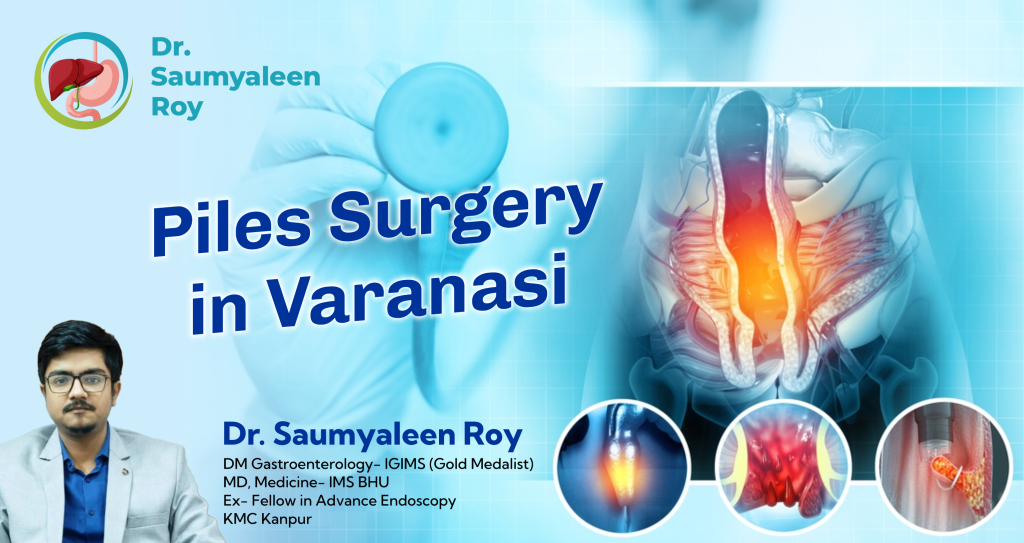
Piles, or hemorrhoids, touch the lives of millions but remain an awkward topic for many. When lifestyle changes and over-the-counter creams no longer ease the discomfort, people start thinking about Piles surgery in Varanasi. This guide walks through the condition itself, the full range of treatment options, what the surgical journey looks like in this city, and how to find a qualified doctor, all without turning the text into an advertisement. Understanding Piles: What Causes Them? Hemorrhoids are enlarged veins inside or outside the anal canal. They might be internal-germing within the rectum-or external-forming a lump around the anus. Common reasons for their growth include: Chronic constipation and heavy straining A mostly desk-bound or inactive routine Pregnancy, which raises pelvic pressure Being overweight and eating a low-fibre diet People often notice bright-red bleeding during bowel movements, itching or burning around the opening, general soreness, and, in advanced cases, a painful protrusion that will not return inside. The Silent Rise of Liver Diseases As lifestyle-related diseases are increasing, such as the fatty liver, hepatitis and cirrhosis have become increasingly frequent, even among young individuals. Insufficient diet, drinking as well as viral infections and overweight are the main causes. The early detection of liver disease is crucial. The majority of liver disorders don’t exhibit obvious symptoms until the advanced stage. Therefore, liver function tests as well as ultrasounds are suggested even if you’re not susceptible. When Conservative Treatment Is Insufficient Most mild to moderate hemorrhoid problems can be reliably treated through: A high-fiber diet complemented by generous fluid intake Over-the-counter creams and suppositories Warm sitz baths several times a day Simple office procedures such as rubber-band ligation or sclerotherapy In Varanasi, for example, many patients choose sclerotherapy—or piles injection—which specialists perform routinely on Grade I and II internal piles. Yet when hemorrhoids advance to Grade III or IV or produce debilitating pain, piles surgery in Varanasi often becomes the safest, fastest solution. Piles Surgery in Varanasi: Types and Recovery Expectations Surgeons currently offer four main operations: Conventional hemorrhoidectomy- complete excision of internal and external piles. Long-lasting results, but higher immediate pain and a longer healing period. Stapled hemorrhoidopexy (PPH)- a circular stapler lifts the prolapsed tissue and reduces its blood supply. Mildly painful, heals quickly, though recurrences occur slightly more often. Laser hemorrhoidoplasty- focused laser energy coagulates the enlarged vessels. Minimal bleeding, swift recovery, and usually little discomfort. Hemorrhoidal artery ligation (HALO, or THD)- Doppler guidance allows the surgeon to locate and tie the feeding arteries. Ingenious, but it relies on precise skill and training. Recovery is usually marked by several weeks of mild discomfort, the need for judicious pain control, a light diet, and sensible limits on physical activity. When the procedure is performed by a seasoned surgeon in a properly equipped center, that healing period shortens considerably. Choosing a Specialist: Why Expertise Matters Selecting a piles surgeon in Varanasi is an important decision. Although many refer to themselves as specialists, their training and skill levels can differ markedly. Consider the following factors when evaluating options: Qualifications & Experience: Opt for gastroenterologists or surgeons whose formal training covers a broad range of GI procedures and who perform advanced hemorrhoid interventions on a regular basis. Available Techniques: Some clinics offer only basic excisional surgery; others provide minimally invasive choices such as stapling, laser, or Doppler-guided procedures. Be sure your doctor is comfortable with the method best suited to your anatomy and symptom severity. Facility Infrastructure: Reliable outcomes depend on high-quality imaging and support services, so verify that the center has endoscopic ultrasound, dedicated anesthesia staff, and an up-to-date sterile environment. Patient-Centric Approach: Thoughtful follow-up care, realistic pain management plans, dietary advice, and timely check-ups after discharge can shorten convalescence and reduce complications. Why Varanasi Is Emerging as a Hub for Piles Surgery In just a few years Varanasi has grown into a regional center for GI surgery, drawing patients who once felt they had no choice but to travel to larger cities. Factors behind this shift include: Specialist clinics equipped with modern anesthesia labs and high-definition endoscopy suites. Accessible pricing that protects quality without imposing a financial burden. Grass-roots awareness campaigns encouraging earlier diagnosis and treatment. Stringent hygiene protocols are now standard in most private surgical units. Together, these advances allow locals to receive expert care close to home. Preparing for Surgery: What You Should Know Before having piles surgery in Varanasi, please complete these steps: Diagnostic Evaluation- A colonoscopy or sigmoidoscopy will rule out other causes. Pre-Surgery Counselling- You’ll learn about fasting, bowel prep, and any needed changes to your medicines. Hospital Stay- Most procedures are day-care cases; if not, you’ll stay only one night. Recovery Plan- Instruction covers using stool softeners, taking pain relief, eating fiber, and returning for follow-up. Post-Operative Care: To Ensure Smooth Recovery A smooth recovery depends on: Pain Management- Take prescribed medications when needed. Diet & Fluids- Eat high-fiber meals and drink plenty of water to ease bowel movements. Physical Activity- Gentle walking helps; avoid heavy lifting for 2 to 3 weeks. Hygiene- Daily sitz baths, light cleaning, and keeping the area dry prevent infection. Follow-Up Visits– Return for wound care and for the doctor to check for problems. The Road Ahead: Living Pile-Free Post-treatment success often rests on sensible, everyday habits: Eat a fiber-rich diet with whole grains, fruit, and vegetables. Drink plenty of water throughout the day (about 2–3 L). Avoid prolonged sitting, heavy lifting, or straining on the toilet. Aim for 30 minutes of gentle exercise most days. Catch and treat any early symptoms right away to stop recurrence. Choosing the Right Piles Doctor in Varanasi When looking for a Piles specialist in Varanasi, check that the doctor: Is skilled in both non-surgical methods (injection, ligation) and surgery. Works in a clinic with endoscopy, colonoscopy, and modern GI tools. Receives positive reviews for effective care and compassionate support. In the heart of Varanasi, Dr. Saumyaleen Roy is a trusted piles specialist. He earned-medicine the University, Patna) and a Gold Medal, he has fellowships in Endoscopic Ultrasound