
Top 5 Gastro Problems Treated by the Best Gastroenterologist in Varanasi
If you endure stomach pain and bloating, acid reflux, or digestive discomfort, you’re not alone. Many people in Varanasi search for Gastro specialist in Varanasi, a Gastro doctor near me, or Top gastro clinic in Varanasi hoping for relief. This article explains the Top 5 gastro problems treated by the best gastroenterologist in Varanasi, how specialists diagnose them, and when to seek expert help. You’ll learn how gastroenterology hospital Varanasi deals with common issues like GERD, gastritis, liver disease, bowel disorders, and pancreatic problems. Whether you’re looking for Gastro and liver specialist Varanasi or Stomach specialist doctor in Varanasi, read on for detailed guidance. Gastroesophageal Reflux Disease (GERD) & Acid Reflux Many people suffer from acid reflux and heartburn treatment because gastric acid flows back into the esophagus. You may ask How do I know if I have GERD or gastritis? when the burning feels constant or food seems to come back up. A GERD specialist Varanasi uses endoscopy and pH monitoring to confirm diagnosis. Treatment for GERD includes lifestyle change, medications, and sometimes surgery. Doctors at the digestive health clinic Varanasi may recommend Endoscopy in Varanasi to rule out complications. Over time, untreated GERD can cause esophagitis or strictures, so early care matters. Gastritis, Stomach Ulcers & Indigestion Chronic stomach upset often points to Gastritis and stomach ulcer care or simple indolent acidity. You might feel gnawing pain, nausea, or early fullness. Many wonder What are the common stomach problems treated by a gastroenterologist? — gastritis and ulcer rank high on that list. A stomach infection doctor will test for H. pylori infection, use blood tests or breath tests, and often order Endoscopy in Varanasi for a direct view. Treatment involves acid-suppressing drugs, antibiotics (if infection found), and diet changes. Over weeks or months, most patients recover fully. Liver & Gallbladder Disorders Sometimes digestive problems stem from the liver or gallbladder. Conditions like fatty liver, hepatitis, or gallstones cause pain, yellowing eyes, or swelling. Searching Liver disease and fatty liver specialist or Expert for liver cirrhosis and hepatitis care is common among patients. Diagnosis includes liver function tests, ultrasound scans, sometimes MRI. For gallbladder stones and abdominal pain, imaging helps confirm diagnosis. A Gastro and liver specialist Varanasi may perform minimally invasive interventions or refer for surgery when needed. Diet and lifestyle play big roles in recovery. Bowel Disorders (IBS, Constipation, Diarrhea) Your gut may rebel with Constipation and IBS treatment or bouts of diarrhea. Irritable Bowel Syndrome occurs when the bowel is overreactive, often triggered by stress or diet. Many ask Specialist doctor for chronic constipation and IBS and search for “gastroenterologist near me.” To diagnose, a trusted digestive health expert may use stool tests, colonoscopy, and symptom diaries. Treatment often includes fiber changes, medications, probiotics, and stress control. In severe cases, motility drugs or dietary therapy help restore balance. Pancreatic Disorders & Digestive Enzyme Deficiency Problems with the pancreas may lead to Pancreatitis and enzyme issues. If your digestion is weak, fats don’t absorb, leading to greasy stools. Pain in the upper abdomen that radiates to the back is a common alarm. Specialists look for raised pancreatic enzymes in blood tests or CT scans to diagnose. Treatment may include enzyme replacement therapy, diet changes (low fat), and close monitoring. A Gastro specialist in Varanasi ensures you don’t miss complications like chronic pancreatitis or diabetes. When to Visit the Best Gastroenterologist in Varanasi You should see a specialist when symptoms last more than a few weeks—such as treatment for bloating, gas, and acidity in Varanasi fails. Also consult if you see blood in stool, have unexplained weight loss, or notice yellow eyes. Many ask When should I visit a gastroenterologist? in search engines. The best clinic for endoscopy and digestive tests in Varanasi offers safe tests like upper GI endoscopy, colonoscopy, ultrasound, and lab panels. If you live near Bhelupur, Sigra or any part of Varanasi, find a Gastroenterologist for acid reflux and abdominal pain in your area. Choose one with good reviews, hospital ties, and patient care focus. Recommended Gastro Specialist in Varanasi – Dr. Saumyaleen Roy When it comes to digestive health, Dr. Saumyaleen Roy, a leading Gastro and liver specialist in Varanasi, stands out for his expertise and patient-focused care. He treats conditions like GERD, gastritis, liver disease, IBS, and pancreatic disorders with advanced diagnostic tools, including endoscopy and colonoscopy in Varanasi, ensuring accurate diagnosis and effective treatment. Patients from Bhelupur, Sigra, and surrounding areas trust him for acid reflux and heartburn treatment, constipation and IBS management, and overall gut wellness. With personalized treatment plans and a compassionate approach, Dr. Roy’s clinic is recognized as a trusted digestive health expert near me, making it the top choice for long-term digestive care. Conclusion In Varanasi, the top five issues a gastroenterology hospital Varanasi often treats are GERD & acid reflux, gastritis & ulcers, liver & gallbladder disorders, bowel problems like IBS, and pancreatic enzyme issues. When you need Who is the best gastro doctor in Varanasi for liver and stomach problems? look for experience, patient reviews, and comprehensive services. Don’t wait. Early diagnosis by a best gastroenterologist in Varanasi or gastro and liver specialist Varanasi can make all the difference in your digestive health. FAQs What are the common stomach problems treated by a gastroenterologist? A gastroenterologist treats issues like GERD, acid reflux, gastritis, stomach ulcers, IBS, constipation, diarrhea, liver disorders, and pancreatic enzyme deficiencies. Timely treatment prevents complications and ensures better digestive health. How do I know if I have GERD or gastritis? Common signs include persistent heartburn, acid reflux, bloating, nausea, or upper abdominal pain. A GERD specialist in Varanasi or a gastro doctor can confirm the condition using tests like endoscopy or pH monitoring. When should I visit the best gastroenterologist in Varanasi? If digestive symptoms last more than a few weeks, like chronic stomach pain, bloating, changes in bowel habits, or unexplained weight loss, you should consult a trusted digestive health expert near Bhelupur / Sigra for early diagnosis and treatment.
Facing Digestive Issues? Visit GASTRO & LIVER CLINIC Varanasi Today
Don’t Ignore Your Gut Feelings—They Matter Have you been feeling constant bloating, acidity, or weakness without knowing why? Or noticed changes like yellowing of the eyes, fatigue, or stomach discomfort that just won’t go away? These could be signs of deeper digestive or liver problems—and you shouldn’t ignore them. Digestive health is the foundation of overall well-being. And when it comes to specialized care in Varanasi, Shree Vinayaka Gastro Liver Care stands out as a trusted and modern GASTRO & LIVER CLINIC Varanasi, providing the right mix of advanced diagnostics and compassionate treatment. At the helm of this clinic is Dr. Saumyaleen Roy, one of the most respected and experienced gastroenterologists in Varanasi. Known for his expertise and friendly approach, Dr. Roy has become a dependable name for people struggling with digestive and liver-related issues. Digestive and Liver Disorders: What You Should Know Many people take digestive symptoms lightly, thinking they will go away on their own. But did you know that even common issues like gas, acidity, or tiredness could be early signs of more serious problems like GERD, ulcers, fatty liver, or hepatitis? Here are some of the key conditions that need attention: Gastroesophageal Reflux Disease (GERD) Burning chest pain, a sour taste in the mouth, or chronic throat irritation are often signs of acid reflux or GERD. It requires proper diagnosis and long-term care. Gastritis, Ulcers & GI Bleeding Inflammation of the stomach lining, ulcers, and internal bleeding may present with vomiting, dark stools, or sharp stomach pain. These need endoscopy and accurate medication. Constipation, IBS & Diarrhea Chronic constipation or diarrhea could be signs of irritable bowel syndrome (IBS) or infections. These affect your lifestyle and mood if left untreated. Liver Problem From fatty liver to cirrhosis and hepatitis B or C, liver issues are often silent until advanced. Regular check-ups, liver function tests, and timely treatment are critical. Pancreatitis Severe upper abdominal pain and vomiting might be linked to pancreatic inflammation. This condition can turn life-threatening if ignored. Why Choose a Dedicated GASTRO & LIVER CLINIC in Varanasi? When it comes to digestive health, general treatment is not enough. What you need is a dedicated setup, where the entire focus is on identifying and treating GI and liver-related problems. That’s what Shree Vinayaka Gastro Liver Care offers—a complete, patient-centered experience that makes it the leading GASTRO & LIVER CLINIC in Varanasi. Here’s what makes it stand out: ✔ Specialized consultation by a DM Gastroenterologist ✔ Modern tools like endoscopy, colonoscopy, ERCP, EUS ✔ Full lab support, ultrasound, and advanced imaging ✔ Clean environment and comfortable care ✔ Transparent pricing and supportive staff Whether it’s a mild case of indigestion or a complex liver disease, you’re in the right hands at Shree Vinayaka. Key Services at Shree Vinayaka Gastro Liver Care Here are the major diagnostic and treatment services available: Diagnostic Services Upper GI Endoscopy – for ulcers, bleeding, or reflux Colonoscopy – to check for colon diseases, polyps, or cancer ERCP & EUS – advanced imaging of bile and pancreatic ducts Sigmoidoscopy – lower bowel examination Ultrasound & Lab Tests – for liver & digestive health check-up Treatments for: Acidity, bloating, and reflux Jaundice and hepatitis Cirrhosis and fluid in the abdomen (ascites) Chronic diarrhea and constipation Bleeding in the digestive tract Gallstones and pancreatic disorders Swallowing problems and strictures GI cancers (early detection & management) What Patients Say Patients across Varanasi and nearby areas trust the clinic for its fast, accurate diagnosis and supportive care: “Dr. Roy diagnosed my stomach bleeding within minutes and performed an endoscopy. His explanation was so comforting. I’m doing much better now.” – Amit S. “I had fatty liver but didn’t know until I visited Shree Vinayaka. Dr. Roy helped me reverse it with lifestyle changes and timely medication.” – Kusum P. When Should You Visit a GASTRO & LIVER CLINIC in Varanasi? Don’t wait for symptoms to worsen. You should consult a specialist if you face: Frequent acidity or burping Pain in the stomach or upper abdomen Blood in stool or black stool Loss of appetite or weight Jaundice or yellow eyes/skin Constant gas or constipation Feeling of heaviness or bloating History of alcohol use or hepatitis Early diagnosis helps avoid complications and speeds up recovery. Technology + Care = Better Outcomes At Shree Vinayaka, the use of modern diagnostic tools ensures quick, minimally invasive, and painless procedures. This reduces hospital stay, cuts recovery time, and avoids unnecessary surgeries. The clinic also places strong emphasis on counselling, diet guidance, and follow-up support, so patients feel empowered and informed throughout their treatment journey. Shree Vinayaka Gastro Liver Care: Leading the Way in Varanasi In a city where many still travel to metros for specialized GI or liver care, Shree Vinayaka Gastro Liver Care has emerged as a local leader, bringing metro-level services with hometown comfort. It truly lives up to its name as a modern and trustworthy gastro & liver clinic in Varanasi, providing not just treatment but hope and healing. Why Dr. Saumyaleen Roy is the Best Gastroenterologist in Varanasi What makes Dr. Roy unique is his deep understanding of both common and complex digestive diseases, his commitment to clinical excellence, and his focus on what’s best for the patient. From first-time visits to long-term chronic care, he combines medical accuracy with a human touch—making patients feel safe, heard, and healed. Whether you’re suffering from a long-standing liver issue or something as basic as gas or indigestion, his diagnosis is rooted in science, and his solutions are realistic and effective. Final Thoughts: Your Health Starts with the Right Specialist You don’t need to live with digestive discomfort or uncertainty anymore. Modern, affordable, and expert care is now available right here in Varanasi at Shree Vinayaka Gastro Liver Care as the GASTRO & LIVER CLINIC Varanasi Led by Dr. Saumyaleen Roy, this clinic offers a one-stop solution for all digestive and liver concerns, right from early symptoms to advanced treatments. 📍 Visit Shree Vinayaka Gastro Liver Care Today Address: Satya
Piles Surgery in Varanasi: A Comprehensive Guide
Piles, or hemorrhoids, touch the lives of millions but remain an awkward topic for many. When lifestyle changes and over-the-counter creams no longer ease the discomfort, people start thinking about Piles surgery in Varanasi. This guide walks through the condition itself, the full range of treatment options, what the surgical journey looks like in this city, and how to find a qualified doctor, all without turning the text into an advertisement. Understanding Piles: What Causes Them? Hemorrhoids are enlarged veins inside or outside the anal canal. They might be internal-germing within the rectum-or external-forming a lump around the anus. Common reasons for their growth include: Chronic constipation and heavy straining A mostly desk-bound or inactive routine Pregnancy, which raises pelvic pressure Being overweight and eating a low-fibre diet People often notice bright-red bleeding during bowel movements, itching or burning around the opening, general soreness, and, in advanced cases, a painful protrusion that will not return inside. The Silent Rise of Liver Diseases As lifestyle-related diseases are increasing, such as the fatty liver, hepatitis and cirrhosis have become increasingly frequent, even among young individuals. Insufficient diet, drinking as well as viral infections and overweight are the main causes. The early detection of liver disease is crucial. The majority of liver disorders don’t exhibit obvious symptoms until the advanced stage. Therefore, liver function tests as well as ultrasounds are suggested even if you’re not susceptible. When Conservative Treatment Is Insufficient Most mild to moderate hemorrhoid problems can be reliably treated through: A high-fiber diet complemented by generous fluid intake Over-the-counter creams and suppositories Warm sitz baths several times a day Simple office procedures such as rubber-band ligation or sclerotherapy In Varanasi, for example, many patients choose sclerotherapy—or piles injection—which specialists perform routinely on Grade I and II internal piles. Yet when hemorrhoids advance to Grade III or IV or produce debilitating pain, piles surgery in Varanasi often becomes the safest, fastest solution. Piles Surgery in Varanasi: Types and Recovery Expectations Surgeons currently offer four main operations: Conventional hemorrhoidectomy- complete excision of internal and external piles. Long-lasting results, but higher immediate pain and a longer healing period. Stapled hemorrhoidopexy (PPH)- a circular stapler lifts the prolapsed tissue and reduces its blood supply. Mildly painful, heals quickly, though recurrences occur slightly more often. Laser hemorrhoidoplasty- focused laser energy coagulates the enlarged vessels. Minimal bleeding, swift recovery, and usually little discomfort. Hemorrhoidal artery ligation (HALO, or THD)- Doppler guidance allows the surgeon to locate and tie the feeding arteries. Ingenious, but it relies on precise skill and training. Recovery is usually marked by several weeks of mild discomfort, the need for judicious pain control, a light diet, and sensible limits on physical activity. When the procedure is performed by a seasoned surgeon in a properly equipped center, that healing period shortens considerably. Choosing a Specialist: Why Expertise Matters Selecting a piles surgeon in Varanasi is an important decision. Although many refer to themselves as specialists, their training and skill levels can differ markedly. Consider the following factors when evaluating options: Qualifications & Experience: Opt for gastroenterologists or surgeons whose formal training covers a broad range of GI procedures and who perform advanced hemorrhoid interventions on a regular basis. Available Techniques: Some clinics offer only basic excisional surgery; others provide minimally invasive choices such as stapling, laser, or Doppler-guided procedures. Be sure your doctor is comfortable with the method best suited to your anatomy and symptom severity. Facility Infrastructure: Reliable outcomes depend on high-quality imaging and support services, so verify that the center has endoscopic ultrasound, dedicated anesthesia staff, and an up-to-date sterile environment. Patient-Centric Approach: Thoughtful follow-up care, realistic pain management plans, dietary advice, and timely check-ups after discharge can shorten convalescence and reduce complications. Why Varanasi Is Emerging as a Hub for Piles Surgery In just a few years Varanasi has grown into a regional center for GI surgery, drawing patients who once felt they had no choice but to travel to larger cities. Factors behind this shift include: Specialist clinics equipped with modern anesthesia labs and high-definition endoscopy suites. Accessible pricing that protects quality without imposing a financial burden. Grass-roots awareness campaigns encouraging earlier diagnosis and treatment. Stringent hygiene protocols are now standard in most private surgical units. Together, these advances allow locals to receive expert care close to home. Preparing for Surgery: What You Should Know Before having piles surgery in Varanasi, please complete these steps: Diagnostic Evaluation- A colonoscopy or sigmoidoscopy will rule out other causes. Pre-Surgery Counselling- You’ll learn about fasting, bowel prep, and any needed changes to your medicines. Hospital Stay- Most procedures are day-care cases; if not, you’ll stay only one night. Recovery Plan- Instruction covers using stool softeners, taking pain relief, eating fiber, and returning for follow-up. Post-Operative Care: To Ensure Smooth Recovery A smooth recovery depends on: Pain Management- Take prescribed medications when needed. Diet & Fluids- Eat high-fiber meals and drink plenty of water to ease bowel movements. Physical Activity- Gentle walking helps; avoid heavy lifting for 2 to 3 weeks. Hygiene- Daily sitz baths, light cleaning, and keeping the area dry prevent infection. Follow-Up Visits– Return for wound care and for the doctor to check for problems. The Road Ahead: Living Pile-Free Post-treatment success often rests on sensible, everyday habits: Eat a fiber-rich diet with whole grains, fruit, and vegetables. Drink plenty of water throughout the day (about 2–3 L). Avoid prolonged sitting, heavy lifting, or straining on the toilet. Aim for 30 minutes of gentle exercise most days. Catch and treat any early symptoms right away to stop recurrence. Choosing the Right Piles Doctor in Varanasi When looking for a Piles specialist in Varanasi, check that the doctor: Is skilled in both non-surgical methods (injection, ligation) and surgery. Works in a clinic with endoscopy, colonoscopy, and modern GI tools. Receives positive reviews for effective care and compassionate support. In the heart of Varanasi, Dr. Saumyaleen Roy is a trusted piles specialist. He earned-medicine the University, Patna) and a Gold Medal, he has fellowships in Endoscopic Ultrasound
Bloating, Acid Reflux, Ulcers? See the Best Doctors for Gastric Problem in Varanasi
Mustard oil hisses in street-side woks across Varanasi, a soundtrack most visitors file under local charm. For many regulars, the aftershocks-heartburn, bloating, the urgent dash to a public toilet-are merely the cost of doing lunch. Experts, however, watch such reports closely, for what feels trivial can quietly signal gastritis, early IBS, or acid reflux. Relying on a packet of chewable antacids, day in and day out, invites bleaker outcomes, including the slow bleed of an untreated ulcer. Persistent symptoms deserve more than a shrug; a targeted scan or endoscopy eventually rules out the worst. Gastro Doctor Extraordinaire: Who They Are and What They Do. Gastroenterology, a subspeciality nested within internal medicine, concentrates exclusively on the stomach, intestines, and accessory glands. When a patient reports abdominal pain, bloating, or sudden weight loss, the specialist often begins with a careful history and light palpation of the abdomen before deciding whether an ultrasound, an endoscopy, or simply a dietary overhaul is warranted. From Crohn’s and ulcerative colitis to hepatitis, cirrhosis, and gastrointestinal hemorrhage, their clinical repertoire covers an impressive array of disorders. Most modern gastroenterologists equip themselves with slender, fiber-optic scopes that thread down the esophagus or up the rectum, allowing live images to appear on a monitor as tissue biopsies or polyp excisions are performed. Such procedures may be done under mild sedation, yet the patient remains awake enough to answer questions during the inspection. Routine surveillance colonoscopy, especially in high-risk demographics, has become a keystone practice for detecting malignancies before they progress to advanced stages. If your stomach issues don’t go away, seeing an expert like Dr. Saumyaleen Roy, serving as the best doctors for Gastric problem in Varanasi, can make the difference between a minor issue and a serious condition. Common Gastric Disorders: What You Shouldn’t Ignore Here are some common gastric issues that require medical attention: Acid Reflux & GERD (Gastroesophageal Reflux Disease) Acid that shoots back up into the throat, a taste like pennies, and a flame-in-the-chest feeling all point toward GERD- a nickname for gastroesophageal reflux disease. The danger is more than pain; over the years, the esophagus may erode and one day start bleeding or, even scarier, turn cancerous. Gastritis and Peptic Ulcers A churning gut paired with nausea, plus soreness in the finger that lands on it, could hint at gastritis or a peptic ulcer. Either complaint can brew after too many anti-inflammatories or because a sneaky germ called H. pylori decides to camp out. The worst-case headline is an ulcer that breaks a blood vessel, and that’s exactly why stomach warnings are never casual. Irritable Bowel Syndrome IBS shows up as sudden cramps, annoying bloating, or an unpredictable flip between constipation and diarrhea. The condition won’t kill you, yet the constant tug-of-war with your digestive system can wreck a good day and force you to tinker with food choices and medications. Inflammatory Bowel Disease: Crohn’s disease and ulcerative colitis Both fall under the IBD umbrella; both are stubborn autoimmune troubles that keep the intestines in a state of simmering anger. People battling IBD usually end up under a specialist’s eye for life, relying on immunotherapy drugs and routine endoscopies to stay one step ahead. Liver-Related Digestive Issues When the liver slows down, the warning signs may appear through the gut-tinged skin, which turns an odd yellow, a belly that feels bloated, or ankles that puff up after a long day. Catching these signs early is wise, so if they linger longer than a week, a visit to a doctor becomes more than a good idea. Why Choose Specialized Care in Varanasi? Most people in India still hop a train to Delhi or Lucknow for high-end digestive treatment, but that story is changing in Varanasi. Once better known for its ghats than its hospitals, the city is gaining modern medical options, and Dr. Saumyaleen Roy is a renowned name as the best doctors for Gastric problem in Varanasi. His clinic now offers techniques you’d expect in a metro, and patients say the level of care matches what they’d find anywhere else. Let’s look at why so many locals trust Dr. Roy with their gastric headaches. Dr. Saumyaleen Roy- Your Trusted Gut Doctor Stellar Academic Background Dr. Roy is a Gold Medalist in DM Gastroenterology from IGIMS Patna, one of India’s reputed medical institutions. He previously completed his MD in Internal Medicine at the Institute of Medical Sciences, Banaras Hindu University (IMS BHU), which speaks volumes about his academic and clinical foundation. What truly sets him apart is his specialization in advanced endoscopic and therapeutic procedures, an area not commonly available outside metro cities. His education is complemented by training in: Endoscopic Ultrasound (EUS) Endoscopic Retrograde Cholangiopancreatography (ERCP) Third-Space Endoscopy Complex GI bleeding management Broad Skill Set Dr. Roy treats a wide range of digestive problems—not just stomach pain, but also liver issues and everything in between. Patients come to him with ongoing gastritis, severe heartburn, and slow-healing duodenal ulcers. He regularly handles cases of viral hepatitis (types A, B, and C), as well as liver problems caused by alcohol or other reasons. He also deals with more complex issues like intestinal bleeding, swollen veins, pancreas problems, and irritated colons. Many people visit him with vague or confusing symptoms, like brief belly pain, sudden bloating, or unexpected weight loss. While these signs may seem unrelated, Dr. Roy carefully investigates them to find the real cause and offer the right treatment. Shree Vinayaka Gastro Liver Care feels like a modern, well-equipped hospital. Patients walk in to find clean, shiny floors and a glass-walled area where medical staff get ready for the day. Dr. Roy works here full-time and handles everything from endoscopies to colonoscopies without even leaving the room. He can take a biopsy, do advanced procedures like ERCP or EUS, all in one smooth flow. The hospital also has its own ultrasound room and pathology lab, where test results are ready quickly, even at night. And if there’s an emergency, the team is always
The Importance of Endoscopy in Gastrointestinal Care
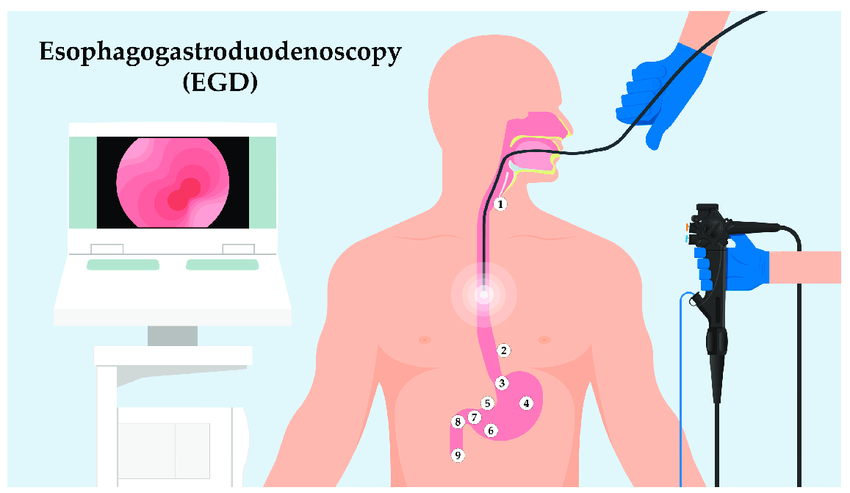
Endoscopy is a revolutionary medical procedure that enables doctors to examine and treat various gastrointestinal (GI) conditions without the need for major surgery. Using a flexible tube with a camera and light at its tip, endoscopy provides real-time imaging and access to the digestive tract, making it an essential tool for both diagnosis and treatment. Key Endoscopic Procedures and Their Benefits 1. CBD Stone Removal (Common Bile Duct Stone Removal) 2. Pancreatitis Management 3. Esophageal Stenting 4. Strictures Dilation Why Choose Endoscopy? ✅ Minimally Invasive: No major cuts or stitches required, reducing recovery time. ✅ Quick Recovery: Most procedures are done on an outpatient basis with minimal downtime. ✅ Highly Accurate Diagnosis: Real-time imaging ensures precise detection of abnormalities. ✅ Personalized Care: Dr. Saumyaleen Roy offers expert endoscopic procedures for early diagnosis and effective treatment of GI disorders. When Should You Consider Endoscopy? If you experience persistent digestive issues such as difficulty swallowing, unexplained weight loss, persistent acid reflux, or jaundice, an endoscopic evaluation can help detect underlying conditions early. For advanced and personalized gastroenterology care, consult Dr. Saumyaleen Roy today and ensure your digestive health is in expert hands. Book an appointment now!
Understanding Haematemesis and Bleeding Per Rectum
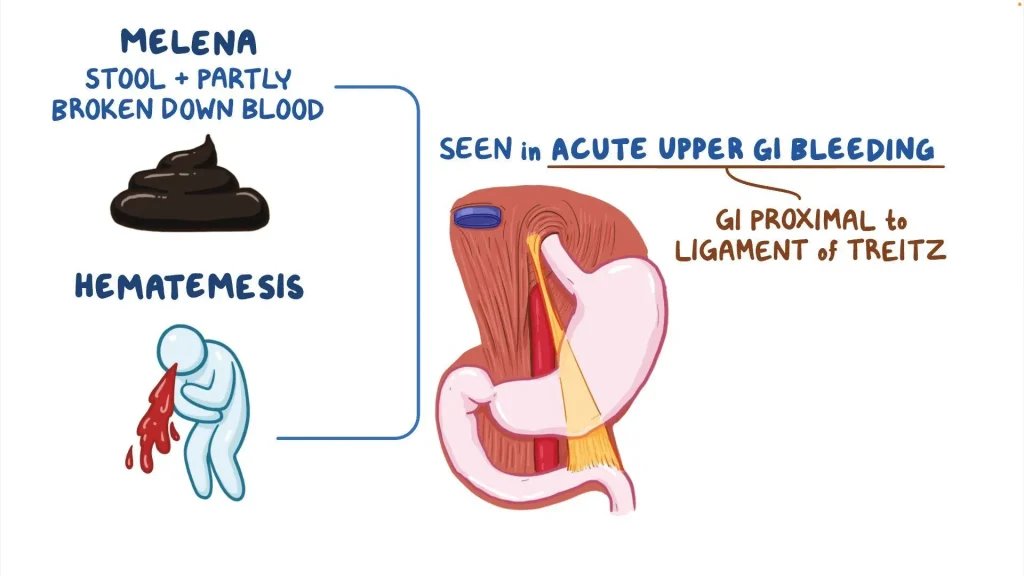
What is Haematemesis? Haematemesis refers to the condition of vomiting blood, which is a serious symptom indicating upper gastrointestinal (GI) bleeding. The blood may appear bright red or resemble coffee grounds due to partial digestion by stomach acids. Causes of Haematemesis: Haematemesis is a medical emergency that requires immediate attention, as excessive blood loss can be life-threatening. What is Bleeding Per Rectum? Bleeding per rectum refers to blood in stool or rectal bleeding, which can range from bright red streaks to dark-colored stools (melena). It indicates lower gastrointestinal bleeding and may be caused by: Common Causes: If you notice persistent rectal bleeding, seek medical consultation immediately to rule out serious conditions. Diagnosis and Management Diagnostic Tests: Treatment Options: When to Seek Medical Help? Seek urgent medical care if you experience: Early diagnosis is key to preventing complications. Dr. Saumyaleen Roy specializes in gastroenterology and liver care, offering expert evaluation and treatment for gastrointestinal bleeding conditions. Book an appointment today for a thorough assessment and personalized care.
Understanding Ulcer Bleeding and Variceal Bleeding
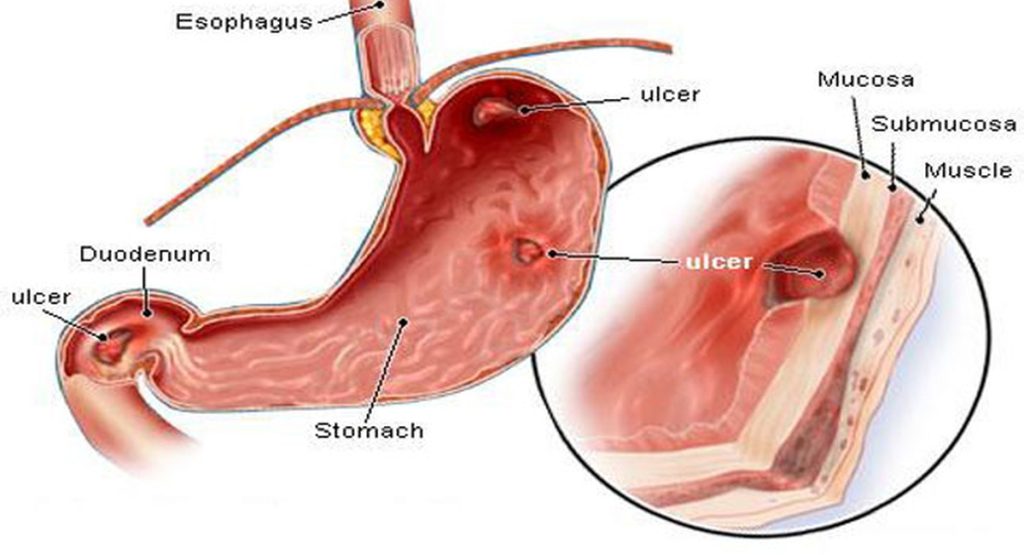
What is Ulcer Bleeding? Ulcer bleeding occurs when an open sore in the stomach or small intestine begins to bleed. This condition can result in serious complications, including black stools (melena), vomiting blood (hematemesis), dizziness, and severe abdominal pain. The primary causes of ulcer bleeding include: If left untreated, ulcer bleeding can lead to significant blood loss and require emergency medical intervention. What is Variceal Bleeding? Variceal bleeding occurs when swollen veins (varices) in the esophagus or stomach rupture and bleed. This condition is commonly associated with liver cirrhosis, where scarring of the liver obstructs normal blood flow, causing pressure to build up in the veins. Symptoms of Variceal Bleeding: Variceal bleeding is a medical emergency and requires immediate intervention to prevent life-threatening complications. Treatment and Prevention Managing ulcer bleeding and variceal bleeding requires a combination of medications, endoscopic procedures, and lifestyle changes to prevent recurrence. Medications Endoscopic Procedures Lifestyle Changes for Prevention When to Seek Medical Help If you experience any symptoms of ulcer bleeding or variceal bleeding, such as vomiting blood, black stools, severe dizziness, or fainting, seek immediate medical attention. Early diagnosis and prompt treatment can prevent severe complications and improve outcomes. For expert care and comprehensive gastroenterology treatment, book an appointment with Dr. Saumyaleen Roy today.