
Liver Cirrhosis Treatment in Varanasi: How Timely Gastro Care Helped Improve One Patient’s Condition
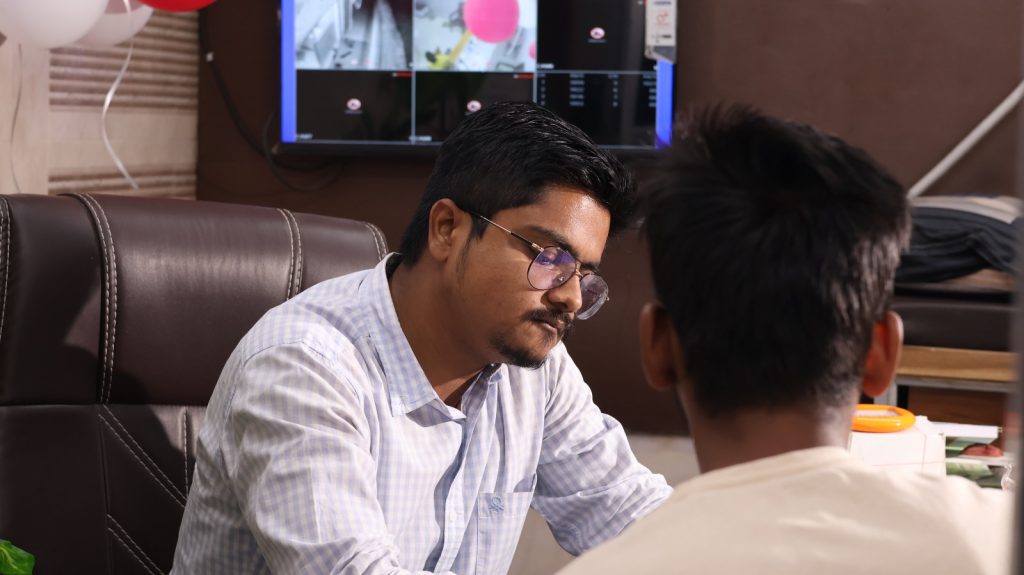
When Shivam Yadav from Mirzapur first visited the clinic, his condition had already started affecting his daily life. Persistent abdominal swelling, fluid accumulation in the stomach, swelling in the legs, weakness, and difficulty walking had made even routine activities uncomfortable. Along with physical discomfort, he was also struggling with reduced appetite and breathing difficulty, which are commonly seen in advanced liver-related conditions. Like many liver disease patients in Eastern Uttar Pradesh, the early symptoms were initially ignored because they appeared gradual. However, as the swelling increased and mobility became difficult, the need for proper gastroenterology evaluation became important. After reaching Varanasi for specialist consultation, a detailed assessment was planned to understand the underlying severity of the condition. Understanding the Early Symptoms of Liver Cirrhosis Liver cirrhosis often develops silently over time. Many patients do not experience obvious symptoms during the early stages, which is why diagnosis is frequently delayed until complications begin appearing. Symptoms such as abdominal bloating, fatigue, swelling in the feet, poor appetite, jaundice, or sudden weakness should never be ignored, especially in patients with existing liver conditions or digestive health issues. In Shivam’s case, multiple warning signs had already started appearing together. These included: These symptoms can significantly reduce quality of life if proper medical evaluation is delayed. Why Proper Liver Evaluation Matters Chronic liver disease can affect several body functions beyond digestion alone. In advanced liver cirrhosis, increased pressure inside liver blood vessels and reduced protein production may lead to fluid retention inside the abdomen. This condition, medically called ascites, is one of the most common complications associated with liver cirrhosis. At the clinic, a structured gastroenterology evaluation was performed under the supervision of Dr. Saumyaleen Roy. The assessment included clinical examination, ultrasound evaluation, liver assessment, and endoscopy to understand the severity of the condition and identify possible complications associated with chronic liver disease. How the Treatment Plan Was Structured Once the diagnosis and overall liver condition were evaluated, a treatment and monitoring plan was initiated according to the patient’s symptoms and medical condition. The primary focus was on managing fluid accumulation, reducing swelling, improving nutritional intake, and stabilizing overall health. Continuous follow-up and monitoring were also emphasized because chronic liver conditions often require long-term management. The treatment approach included: Instead of focusing only on short-term symptom relief, the overall goal was to improve daily comfort, mobility, and quality of life through structured gastro care. Improvements Observed After Treatment Over time, noticeable improvement was observed in several symptoms that were initially affecting the patient’s daily routine. The abdominal swelling gradually reduced, physical movement became more comfortable, and appetite started improving. The patient also reported better breathing comfort compared to the earlier condition. Some of the improvements reported included: ✅ Reduction in abdominal swelling✅ Better appetite✅ Reduced swelling in the body✅ Improved walking comfort✅ Better physical stability✅ Improvement in day-to-day activities For many chronic liver disease patients, symptom improvement and proper monitoring play an important role in maintaining long-term health and preventing complications from becoming severe. A Real Patient Experience from Near Varanasi During the interaction, Shivam shared that before treatment he was facing severe discomfort due to swelling and weakness. Routine activities had become difficult, and physical energy levels were continuously dropping. Like many patients coming from nearby areas such as Mirzapur, Chandauli, and Bhadohi, reaching an experienced liver and gastro specialist in Varanasi became an important step toward understanding the condition properly. After treatment and follow-up care, the patient expressed that he was feeling significantly more comfortable than before. Improvement in appetite, reduced swelling, and better mobility contributed positively to his daily life. While liver cirrhosis requires continuous monitoring and medical care, timely gastroenterology support can help manage symptoms more effectively. Liver Disease Awareness in India Liver disease is becoming an increasingly important health concern across India. Clinical studies and gastroenterology reports suggest that delayed diagnosis remains one of the biggest reasons why many patients seek treatment only after serious complications begin appearing. Symptoms like abdominal fluid accumulation, jaundice, fatigue, and swelling are often ignored during the initial stages. Healthcare experts also emphasize that conditions such as fatty liver disease, alcohol-related liver injury, hepatitis infections, and chronic digestive disorders can gradually contribute to liver damage over time. Early screening, timely diagnosis, and regular follow-up with a gastroenterologist may help identify complications before they become more severe. Symptoms That Should Never Be Ignored Many liver-related symptoms can appear slowly and may initially seem minor. However, persistent digestive or swelling-related symptoms should always be evaluated properly, especially if they continue for several days or worsen over time. Important warning signs include: Patients experiencing these symptoms should consider early consultation with a liver specialist or gastroenterologist for proper evaluation. Expert Gastro Care in Varanasi Patients from Varanasi and nearby districts including Mirzapur, Jaunpur, Chandauli, and Bhadohi often seek specialized gastroenterology consultation for liver and digestive health concerns. Conditions such as liver cirrhosis, fatty liver disease, acid reflux, gastrointestinal bleeding, and chronic abdominal disorders require detailed evaluation and continuous monitoring. Dr. Saumyaleen Roy specializes in managing complex gastrointestinal and liver-related conditions with a patient-focused approach emphasizing proper diagnosis, symptom management, endoscopy evaluation, and long-term digestive health monitoring. When Should You Consult a Liver Specialist? Ignoring persistent swelling, appetite loss, jaundice, or digestive discomfort can sometimes allow liver-related complications to progress further. Early medical evaluation becomes important when symptoms start affecting physical comfort, breathing, mobility, or nutritional intake. If you or a family member is experiencing symptoms related to chronic liver disease, abdominal fluid accumulation, or digestive health concerns, timely consultation with a gastroenterologist in Varanasi may help in understanding the condition and planning appropriate treatment and monitoring. Don’t ignore persistent abdominal swelling, appetite loss, or liver-related symptoms.Get timely evaluation and expert gastro care in Varanasi before complications become severe. visit us on : https://share.google/T1lVU2BXsrwn10U7i
Things to Consider Before Choosing a Gastroenterologist in Varanasi
Summary Choosing the right gastroenterologist in Varanasi involves checking the doctor’s qualifications, experience, specialization, patient reviews, and hospital facilities. Patients should also consider expertise in treating digestive disorders, liver diseases, acidity, GERD, IBS, and procedures like endoscopy or colonoscopy. Selecting an experienced gastro specialist helps ensure accurate diagnosis, proper treatment, and better long-term digestive health management. Introduction Digestive and liver-related problems are becoming increasingly common due to unhealthy eating habits, stress, irregular routines, and lifestyle changes. Whether you are dealing with acidity, bloating, stomach pain, fatty liver, IBS, or GERD, choosing the right gastroenterologist is important for accurate diagnosis and proper treatment. Many people in Varanasi visit a gastro specialist only after symptoms become severe, while others choose a doctor without checking qualifications, experience, or hospital facilities. Understanding what to look for before selecting a gastroenterologist can help you receive better digestive care and avoid unnecessary complications. Understand When You Need a Gastroenterologist Common Digestive Symptoms That Require Specialist Care You should consider visiting a gastroenterologist if you regularly experience: These symptoms may indicate digestive disorders, gastrointestinal infections, ulcers, liver disease, or chronic stomach conditions that require specialist care. Difference Between a General Physician and a Gastroenterologist A general physician treats common health problems, while a gastroenterologist specializes in diseases related to the digestive system, liver, pancreas, intestine, and stomach. Gastro specialists are trained to diagnose and manage complex digestive conditions using advanced procedures like endoscopy and colonoscopy. Conditions Commonly Treated by Gastroenterologists Gastroenterologists commonly treat: Check the Doctor’s Qualifications and Experience Importance of DM or Specialized Gastroenterology Training Before choosing a gastroenterologist in Varanasi, check whether the doctor has specialized DM Gastroenterology training or equivalent qualifications. Specialized training indicates expertise in diagnosing and treating complex digestive and liver diseases. Experience in Treating Digestive and Liver Disorders Experience plays an important role in gastro care. Doctors who regularly manage digestive disorders, liver diseases, acidity, IBS, and gastrointestinal infections are often better at identifying symptoms and recommending proper treatment plans. Expertise in Endoscopy and Colonoscopy Procedures Endoscopy and colonoscopy are commonly used for diagnosing ulcers, acid reflux, bleeding, intestinal problems, and stomach diseases. Choosing a doctor experienced in these procedures helps improve safety and diagnostic accuracy. Experience With Complex Gastrointestinal Conditions Patients with chronic liver disease, pancreatitis, inflammatory bowel disease, or severe digestive disorders should choose specialists experienced in handling complex gastrointestinal conditions. Look for Specialization Based on Your Condition Choosing a Gastroenterologist for Acidity and GERD If you frequently experience chest burning, acid reflux, or chronic acidity, look for a doctor experienced in GERD and digestive disorder management. Finding a Liver Specialist in Varanasi Patients with fatty liver, jaundice, hepatitis, or liver cirrhosis should choose a gastroenterologist with expertise in liver-related diseases and hepatology care. Choosing a Doctor for IBS and Digestive Disorders IBS and long-term digestive disorders often require dietary guidance, lifestyle management, and continuous follow-up care. Selecting a specialist experienced in gut health and digestive treatment can improve recovery and symptom management. Gastro Specialists for Endoscopy and Colonoscopy If your condition requires endoscopy or colonoscopy, choose a clinic or hospital equipped with advanced diagnostic facilities and experienced procedural support. Read Patient Reviews and Testimonials Carefully What Genuine Patient Reviews Can Tell You Patient reviews can provide useful insights into consultation quality, diagnosis accuracy, doctor behavior, waiting time, and overall patient experience. Signs of Trusted and Experienced Gastro Care Positive signs often include: Red Flags to Avoid While Checking Reviews Be cautious if multiple reviews mention: Evaluate Hospital or Clinic Facilities Availability of Advanced Diagnostic Facilities Modern gastroenterology treatment often requires facilities such as: Clinics with in-house diagnostic services can help speed up diagnosis and treatment. Cleanliness and Patient Safety Standards Clean hospital environments and proper hygiene standards are especially important for digestive procedures and patient safety. Availability of Emergency Gastro Care Digestive emergencies such as gastrointestinal bleeding, severe abdominal pain, or liver complications may require urgent medical attention. Checking emergency support availability is important before choosing a clinic. Importance of In-House Endoscopy and Colonoscopy Services Hospitals with in-house endoscopy and colonoscopy facilities offer better convenience and faster testing for patients with digestive symptoms. Consider Location and Appointment Availability Choosing a Convenient Clinic Location in Varanasi Frequent follow-up visits may become difficult if the clinic is too far away. Choosing a conveniently located gastro clinic in Varanasi can make treatment easier and more manageable. Waiting Time and Appointment Scheduling Clinics with organized appointment systems and manageable waiting times generally provide a better patient experience. Availability for Emergency Consultations Patients with severe digestive symptoms should also check whether emergency consultations are available when needed. Conclusion Choosing the right gastroenterologist in Varanasi is important for accurate diagnosis, effective treatment, and long-term digestive health management. Checking qualifications, experience, patient reviews, diagnostic facilities, and specialization can help you make a better healthcare decision. If you are experiencing ongoing acidity, stomach pain, digestive discomfort, liver problems, or gastrointestinal symptoms, consult an experienced gastroenterologist in Varanasi for timely diagnosis and proper digestive care. Frequently Asked Questions How do I choose the right gastroenterologist in Varanasi? To choose the right gastroenterologist in Varanasi, check the doctor’s qualifications, experience, patient reviews, specialization in digestive or liver disorders, and availability of diagnostic facilities like endoscopy and colonoscopy. When should I visit a gastroenterologist instead of a general physician? You should visit a gastroenterologist if you have persistent acidity, stomach pain, bloating, constipation, diarrhea, fatty liver symptoms, blood in stool, or digestive problems that continue despite regular treatment. What qualifications should a good gastroenterologist have? A good gastroenterologist should have specialized DM Gastroenterology training or equivalent qualifications along with experience in treating digestive disorders, liver diseases, GERD, IBS, and gastrointestinal conditions. Why are patient reviews important when choosing a gastro doctor? Patient reviews help you understand the doctor’s communication, diagnosis quality, treatment experience, waiting time, and overall patient satisfaction before booking a consultation. What facilities should a gastroenterology clinic in Varanasi provide? A good gastroenterology clinic should provide advanced diagnostic services such as endoscopy, colonoscopy, ultrasound, liver function
How to Prepare for a Gastroenterologist Appointment in Varanasi
Summary Preparing before a gastroenterologist appointment in Varanasi helps doctors diagnose digestive problems faster and recommend the right treatment. Patients should carry previous medical reports, list their symptoms, medications, and follow any fasting instructions before tests like endoscopy or colonoscopy. Common symptoms such as acidity, bloating, stomach pain, constipation, GERD, and fatty liver should not be ignored for long. During the consultation, the gastroenterologist may recommend blood tests, ultrasound, endoscopy, or colonoscopy depending on the condition. Proper preparation, honest symptom discussion, and following diet or medication advice can improve digestive health outcomes and reduce treatment delays Introduction Digestive problems are more common than most people think. From acidity and bloating to fatty liver, constipation, IBS, and stomach pain, many people in Varanasi delay visiting a gastroenterologist until symptoms become serious. Proper preparation before your appointment can help your doctor understand your condition faster and recommend the right treatment without unnecessary delays. Whether you are visiting for chronic acidity, liver problems, GERD, abdominal pain, or planning an endoscopy or colonoscopy, knowing what to expect during your gastroenterologist appointment in Varanasi can make the entire process smoother and less stressful. Understand Why You Need a Gastroenterologist Appointment Common Digestive Symptoms That Require Medical Attention You should consider visiting a gastroenterologist if you experience symptoms such as: These symptoms may indicate digestive disorders, gastrointestinal infections, liver disease, ulcers, IBS, or GERD and should not be ignored for long. When to Visit a Gastroenterologist Instead of a General Doctor A general physician can manage mild digestive issues, but if symptoms continue for weeks or keep returning, a gastroenterologist becomes important. Gastro specialists are trained to diagnose and treat diseases related to the stomach, intestine, pancreas, liver, and digestive tract using advanced diagnostic procedures such as endoscopy and colonoscopy. Gather Your Medical History Before the Appointment Write Down Your Symptoms and Their Duration Before your appointment, make a note of all symptoms you are facing. Mention when they started, how often they occur, and whether certain foods or activities make them worse. This helps the gastroenterologist identify patterns related to digestive health. Previous Digestive Problems or Surgeries Carry details of previous medical conditions like ulcers, IBS, fatty liver disease, gallstones, hepatitis, or any stomach surgeries. Past treatment history gives doctors a clearer understanding of your gastrointestinal health. Family History of Digestive Diseases Some digestive conditions, including colon cancer, liver disorders, and inflammatory bowel disease, may run in families. Inform your doctor if close family members have experienced such diseases. Current Medications and Allergies Prepare a list of all medications, supplements, antacids, and herbal products you currently use. Also mention any allergies to medicines or foods to avoid complications during treatment. Prepare Important Questions Before Your Visit Questions About Symptoms and Diagnosis Ask your doctor what may be causing your digestive symptoms and whether additional testing is needed. Understanding the possible causes can reduce anxiety and improve treatment compliance. Questions About Endoscopy or Colonoscopy If your doctor recommends an endoscopy or colonoscopy, ask why the procedure is needed, how to prepare, and whether there are any risks involved. These tests help diagnose ulcers, GERD, colon problems, bleeding, and digestive tract diseases. Questions About Diet and Lifestyle Changes Many digestive disorders improve with dietary modifications. Ask about foods to avoid, eating habits, hydration, and lifestyle changes that can support better gut health. Questions About Treatment and Follow-Up Care Clarify how long treatment may take, whether medicines have side effects, and when follow-up visits are necessary. What to Expect During Your Gastroenterologist Appointment in Varanasi Initial Consultation and Symptom Discussion Your consultation usually begins with a detailed discussion about your symptoms, medical history, eating habits, stress levels, and bowel patterns. Honest communication helps doctors make accurate diagnoses faster. Physical Examination The doctor may perform a basic abdominal examination to check for swelling, tenderness, or discomfort. Vital signs and overall health condition may also be assessed. Diagnostic Tests That May Be Recommended Depending on your symptoms, your gastroenterologist may recommend: These tests help diagnose conditions such as gastritis, fatty liver, ulcers, pancreatitis, GERD, or intestinal infections. Understanding Your Treatment Plan After evaluation, your doctor will explain the diagnosis, medicines, dietary precautions, and future treatment steps. Some patients may require lifestyle management while others may need further procedures or long-term monitoring. Follow Pre-Appointment Instructions Carefully Fasting Requirements Before the Appointment Certain digestive tests require fasting for several hours before the appointment. Always confirm fasting instructions while booking your consultation in Varanasi. Foods and Medicines to Avoid Doctors may advise avoiding spicy foods, alcohol, smoking, or specific medications before diagnostic procedures. Following instructions carefully helps improve test accuracy. Preparing for Endoscopy or Colonoscopy if Recommended If you are scheduled for an endoscopy or colonoscopy, follow bowel preparation and dietary instructions strictly. Improper preparation may affect results and sometimes require repeating the procedure. Documents to Carry for Your Appointment Previous Prescriptions and Medical Reports Bring all previous prescriptions, blood reports, ultrasound scans, CT scans, MRI reports, and discharge summaries related to digestive treatment. Insurance Documents and Identification Carry your ID proof, health insurance card, and any required paperwork for hospital registration. Referral Letters if Required Some hospitals or specialists may ask for referral letters from a physician. Keep these documents ready to avoid delays. Mental and Practical Preparation Before Visiting the Clinic Managing Anxiety Before the Appointment Feeling nervous before visiting a gastroenterologist is normal, especially if you are undergoing tests like endoscopy or colonoscopy. Understanding the process beforehand can help reduce fear and confusion. Arriving Early for Registration and Paperwork In busy cities like Varanasi, gastro clinics and hospitals may have heavy patient flow. Arriving early gives enough time for registration, paperwork, and consultation preparation. Bringing a Family Member for Support if Needed If you feel anxious or expect sedation during procedures, bringing a family member or trusted companion can be helpful. Common Mistakes Patients Should Avoid Ignoring Symptoms for Too Long Many people continue self-treatment for acidity, bloating, or constipation without proper diagnosis. Delaying treatment may worsen digestive conditions
Acidity Treatment in Varanasi – Causes, Symptoms & Expert Care

If you live in Varanasi and often feel burning in your chest, heaviness after meals, or sour burps at night, you’re not alone. Searches for acidity treatment in Varanasi have increased sharply in recent years. Busy routines, spicy food, stress, and irregular eating have quietly made acidity a daily struggle for many people. Acidity is not just discomfort. When ignored, it slowly damages digestion and sleep. This guide explains acidity clearly, helps you recognize warning signs early, and shows how expert care can bring long-term relief. What Is Acidity Problem & Why Is It So Common in Varanasi? Acidity happens when your stomach produces more acid than required for digestion. This excess acid irritates the stomach and food pipe, leading to pain and burning. Many people seek stomach acidity treatment in Varanasi because local lifestyle patterns directly affect digestion. Varanasi’s food culture plays a big role. Rich gravies, fried snacks, strong tea, late dinners, and long fasting hours disturb natural digestion cycles. Add work stress and poor sleep, and the stomach remains irritated daily. Over time, this irritation becomes a chronic acidity problem rather than an occasional issue. Acidity meaning in simple terms In simple language, acidity means stomach acid moves in the wrong direction. Instead of staying in the stomach, it flows upward. You then feel stomach burning after meals, a sour taste in mouth, or discomfort while lying down. Think of it like heat spilling where it shouldn’t. Lifestyle & food habits causing acidity in Varanasi Several everyday habits quietly trigger acidity. The most common ones include: These habits weaken digestion slowly, making symptoms return more frequently. Common Symptoms of Acidity You Should Not Ignore Acidity rarely starts strong. It builds gradually. Many people ignore early signs until symptoms disrupt daily life. Early acidity treatment in Varanasi prevents long-term complications. As acidity worsens, symptoms spread beyond the stomach and affect breathing, sleep, and energy levels. Burning sensation & chest discomfort The most alarming symptom is severe acidity symptoms, burning sensation in chest. This pain often increases at night or after heavy meals. Many patients panic due to chest pain due to acidity, mistaking it for heart issues. While frightening, it usually reflects acid irritation of the food pipe. Gas, bloating & sour belching Excess acid traps air inside the stomach. This leads to bloating and gas, repeated belching, and heaviness after meals. The burps often taste sour. This classic gas and acidity problem worsens with oily food. When acidity turns into GERD When acid reflux occurs frequently, it becomes acid reflux disease. At this stage, patients need proper GERD treatment in Varanasi, as long-term reflux damages the food pipe and increases complication risks. Causes of Chronic Acidity & Acid Reflux Chronic acidity rarely has a single cause. It develops from repeated stress on digestion. Without proper acid reflux treatment, irritation becomes constant. Major contributing factors include: Each factor increases acid production or weakens the protective valve of the food pipe. Medical conditions linked with acidity Some people experience acidity due to obesity, diabetes, or long-term painkiller use. These conditions increase stomach pressure and acid flow, requiring expert care. When Should You Consult a Gastroenterologist for Acidity? Occasional acidity improves with diet care. Daily symptoms do not. A qualified gastroenterologist for acidity in Varanasi identifies the root cause before complications begin. You should seek medical help if symptoms last more than two weeks or interfere with sleep. Warning signs that need medical attention These signs indicate internal injury and need urgent evaluation. Best Acidity Treatment in Varanasi – Expert Care by Dr. Saumyaleen Roy Patients searching for a reliable acidity doctor in Varanasi often consult Dr. Saumyaleen Roy, known for treating root causes rather than masking symptoms. As a best gastro doctor in Varanasi, his approach combines precision, education, and long-term care. Why Dr. Saumyaleen Roy is Trusted for Acidity Treatment Patients place strong trust in Dr. Saumyaleen Roy because his medical decisions are backed by deep knowledge, advanced training, and years of hands-on experience in treating complex digestive disorders. His approach focuses on identifying the root cause of acidity and acid reflux, not just temporary symptom relief, which reassures patients and builds long-term confidence. Key reasons why patients rely on his expertise include: This strong combination of academic credentials, clinical expertise, and patient-centered communication makes him one of the most trusted specialists for acidity and acid reflux care in Varanasi. Real-World Case Study A 38-year-old office professional from Varanasi had been suffering from daily heartburn, chest burning, and a sour taste in the mouth for almost two years. He frequently experienced bloating and discomfort after meals, which forced him to skip dinner most days. To manage his symptoms, he relied heavily on antacids, but the relief was always temporary. After consulting Dr. Saumyaleen Roy, a detailed evaluation was done instead of continuing self-medication. An upper GI endoscopy revealed acid reflux–related damage to the food pipe. A structured treatment plan was started, including proper acid reflux treatment, diet correction, meal timing changes, and stress management. Within six weeks, his symptoms reduced significantly, his sleep improved, and he was able to eat comfortably without depending on daily antacids. Advanced Diagnosis for Acidity at Shree Vinayaka Gastro Liver Care Accurate diagnosis is essential for effective acidity treatment in Varanasi. Many patients continue medicines without knowing the real cause of their symptoms. At Shree Vinayaka Gastro Liver Care, modern diagnostic tools help identify whether acidity is simple, reflux-related, or linked to GERD, ensuring focused and safe treatment. Endoscopy & acidity-related tests Endoscopy allows direct viewing of the food pipe and stomach lining. It helps detect inflammation, ulcers, or acid reflux damage, enabling precise GERD management and avoiding trial-and-error treatment. Accurate evaluation for long-term relief Proper diagnosis reduces recurrence and prevents unnecessary long-term medication use. Targeted treatment improves digestion, controls symptoms better, and supports lasting relief. Treatment Options for Acidity & GERD Effective acidity treatment options combine medicine with lifestyle correction. Treatment varies based on severity. Condition Focus Outcome Mild acidity acidity
How to Cure Gastric Problem Permanently: Effective Tips and Proven Remedies
Dealing with constant stomach discomfort, bloating, and acid reflux can feel exhausting, especially when quick fixes only offer temporary relief. Many people wonder if there’s a way to truly fix the root cause of their digestive issues. If you’re searching for solutions that last, this guide will show you exactly how to cure gastric problem permanently. From understanding the reasons behind your discomfort to adopting effective diet, lifestyle, and natural remedies, you’ll discover practical steps that bring long-term relief and restore your gut health. Understanding Gastric Problems What is a gastric problem? A gastric problem usually refers to discomfort in the upper digestive tract—think bloating, acid reflux / GERD (Gastroesophageal Reflux Disease), belching, or that heavy “full” feeling after even a small meal. These symptoms of gastric disorders may stem from many underlying causes like irritation of the stomach lining or issues with digestion. With the right attention you can move beyond mere symptom-relief toward a permanent cure for gastric problem. How your digestive system works Your digestive system begins at the mouth where chewing and saliva kick-in digestion, then food enters the stomach where acid and enzymes break it down, then it moves to the intestine for nutrient absorption. When this finely tuned system is disrupted—say by imbalance in the gut microbiome, too much acid, or sluggish movement—you get stomach bloating solution, gas, discomfort. Knowing this process helps you apply the right fixes rather than just coping. Why gastric issues become chronic if ignored Ignore early signs like burping, mild heartburn or occasional pain, and the damage compounds. For example, persistent high acid can irritate the stomach lining (leading to Gastritis or even a Peptic Ulcer) and wear down natural defenses. This is why you must aim for how to cure gastric problem permanently—not just patch the pain. Chronic issues demand consistent efforts like lifestyle change, not just one-off fixes. Common Causes of Gastric Problems Dietary Factors – Spicy, oily, processed foods One major culprit behind causes of gastric pain is what you’re eating. Spicy foods, oily fried fare, processed snacks trigger excess acid and slow digestion. They may cause gas and acidity, bloating or worsen underlying issues like acid reflux treatment becomes harder. Studies show that reducing such foods helps gut healing in the long term rather than only temporarily. Poor Eating Habits – Late-night meals, skipping breakfast When you eat erratically—skip breakfast, have heavy meals late at night—the coordination of acid release and digestion goes off course. The result: impact of late-night meals on stomach becomes real, with acid creeping up while you lie down, food poorly digested and more gas forming. Fixing schedule is a key step toward how to improve digestion naturally. Lifestyle Issues – Stress, lack of sleep, no exercise You might not realise it, but the link between stress and digestion is powerful. Stress triggers excess acid, slows digestion, disrupts the gut microbiome. Lack of sleep adds fuel. Similarly, no exercise means sluggish movement of food and more gas, which ties into healthy digestion lifestyle choices. So for every “what causes excess stomach acid” you’ll find lifestyle behind it. Medical Conditions – GERD, ulcers, gastritis Sometimes you’re not just dealing with food or habits. Conditions like GERD / acid reflux, Gastritis, or a Peptic Ulcer caused by the bacterium H. pylori bacteria require medical attention. These fall under managing chronic gastritis and you can’t fully fix them with diet alone. Recognising when home remedies don’t suffice is part of when to consult a gastroenterologist. Certain Medications – Painkillers, antibiotics, etc. Even meds you take for other issues may contribute: NSAIDs (painkillers) can erode the stomach lining, antibiotics can disturb gut flora and create digestion issues. This is part of the effect of medications on stomach health, so you must factor in your full health picture when seeking a permanent cure for gastric problem. Symptoms You Shouldn’t Ignore Abdominal pain or discomfort If you feel persistent ache or sharp pain in the upper abdomen, that qualifies as one of the symptoms of gastric disorders. It might signal irritation of the stomach wall or worse. It’s vital not to dismiss this as “just indigestion”. Gas, bloating, and burping Those extra burps, that trapped air, that full-after-lunch feeling—these are classic signs of digestive disruption. Experts in natural treatments for gastric problem home remedies point out how gas and bloating often reveal deeper issues like foods that trigger acidity or an out-of-balance microbiome. Heartburn or acid reflux Burning in the chest or throat means stomach acid is creeping up into the esophagus. This is a classic sign of acid reflux / GERD and demands more than casual attention if you’re aiming for a permanent cure for gastric problem rather than recurring relief. Loss of appetite When your gut is unsettled, you might just not feel hungry or finish a tiny meal and feel full. That’s part of treatment for chronic indigestion and a red flag your digestion needs rebuilding. Nausea or vomiting Nausea, coupled with vomiting, crosses the line from mild discomfort to serious warning. If this happens often, you’re dealing with more than a passing phase and you’re firmly in the territory of needing diagnosis and care. Constipation or diarrhea Either very slow or very fast bowel movement signals digestion is off-kilter. This ties into balanced diet for digestive system and keeping your gut in rhythm. One way you break the cycle of recurring gastric trouble is to restore regularity. How to Cure Gastric Problem Permanently Here’s the heart of the matter: if you want a permanent cure for gastric problems, you must change not just what you eat, but how you live every day. First address how to get rid of gas and acidity, then rebuild gut health, then maintain the gains. Step one: reset your digestion naturally. That means chewing well, eating smaller portions more frequently, avoiding lie-down after meals. It means building better habits into a daily routine for a healthy stomach rather than relying on quick fixes. Step two: rebuild your
Facing Digestive Issues? Visit GASTRO & LIVER CLINIC Varanasi Today
Don’t Ignore Your Gut Feelings—They Matter Have you been feeling constant bloating, acidity, or weakness without knowing why? Or noticed changes like yellowing of the eyes, fatigue, or stomach discomfort that just won’t go away? These could be signs of deeper digestive or liver problems—and you shouldn’t ignore them. Digestive health is the foundation of overall well-being. And when it comes to specialized care in Varanasi, Shree Vinayaka Gastro Liver Care stands out as a trusted and modern GASTRO & LIVER CLINIC Varanasi, providing the right mix of advanced diagnostics and compassionate treatment. At the helm of this clinic is Dr. Saumyaleen Roy, one of the most respected and experienced gastroenterologists in Varanasi. Known for his expertise and friendly approach, Dr. Roy has become a dependable name for people struggling with digestive and liver-related issues. Digestive and Liver Disorders: What You Should Know Many people take digestive symptoms lightly, thinking they will go away on their own. But did you know that even common issues like gas, acidity, or tiredness could be early signs of more serious problems like GERD, ulcers, fatty liver, or hepatitis? Here are some of the key conditions that need attention: Gastroesophageal Reflux Disease (GERD) Burning chest pain, a sour taste in the mouth, or chronic throat irritation are often signs of acid reflux or GERD. It requires proper diagnosis and long-term care. Gastritis, Ulcers & GI Bleeding Inflammation of the stomach lining, ulcers, and internal bleeding may present with vomiting, dark stools, or sharp stomach pain. These need endoscopy and accurate medication. Constipation, IBS & Diarrhea Chronic constipation or diarrhea could be signs of irritable bowel syndrome (IBS) or infections. These affect your lifestyle and mood if left untreated. Liver Problem From fatty liver to cirrhosis and hepatitis B or C, liver issues are often silent until advanced. Regular check-ups, liver function tests, and timely treatment are critical. Pancreatitis Severe upper abdominal pain and vomiting might be linked to pancreatic inflammation. This condition can turn life-threatening if ignored. Why Choose a Dedicated GASTRO & LIVER CLINIC in Varanasi? When it comes to digestive health, general treatment is not enough. What you need is a dedicated setup, where the entire focus is on identifying and treating GI and liver-related problems. That’s what Shree Vinayaka Gastro Liver Care offers—a complete, patient-centered experience that makes it the leading GASTRO & LIVER CLINIC in Varanasi. Here’s what makes it stand out: ✔ Specialized consultation by a DM Gastroenterologist ✔ Modern tools like endoscopy, colonoscopy, ERCP, EUS ✔ Full lab support, ultrasound, and advanced imaging ✔ Clean environment and comfortable care ✔ Transparent pricing and supportive staff Whether it’s a mild case of indigestion or a complex liver disease, you’re in the right hands at Shree Vinayaka. Key Services at Shree Vinayaka Gastro Liver Care Here are the major diagnostic and treatment services available: Diagnostic Services Upper GI Endoscopy – for ulcers, bleeding, or reflux Colonoscopy – to check for colon diseases, polyps, or cancer ERCP & EUS – advanced imaging of bile and pancreatic ducts Sigmoidoscopy – lower bowel examination Ultrasound & Lab Tests – for liver & digestive health check-up Treatments for: Acidity, bloating, and reflux Jaundice and hepatitis Cirrhosis and fluid in the abdomen (ascites) Chronic diarrhea and constipation Bleeding in the digestive tract Gallstones and pancreatic disorders Swallowing problems and strictures GI cancers (early detection & management) What Patients Say Patients across Varanasi and nearby areas trust the clinic for its fast, accurate diagnosis and supportive care: “Dr. Roy diagnosed my stomach bleeding within minutes and performed an endoscopy. His explanation was so comforting. I’m doing much better now.” – Amit S. “I had fatty liver but didn’t know until I visited Shree Vinayaka. Dr. Roy helped me reverse it with lifestyle changes and timely medication.” – Kusum P. When Should You Visit a GASTRO & LIVER CLINIC in Varanasi? Don’t wait for symptoms to worsen. You should consult a specialist if you face: Frequent acidity or burping Pain in the stomach or upper abdomen Blood in stool or black stool Loss of appetite or weight Jaundice or yellow eyes/skin Constant gas or constipation Feeling of heaviness or bloating History of alcohol use or hepatitis Early diagnosis helps avoid complications and speeds up recovery. Technology + Care = Better Outcomes At Shree Vinayaka, the use of modern diagnostic tools ensures quick, minimally invasive, and painless procedures. This reduces hospital stay, cuts recovery time, and avoids unnecessary surgeries. The clinic also places strong emphasis on counselling, diet guidance, and follow-up support, so patients feel empowered and informed throughout their treatment journey. Shree Vinayaka Gastro Liver Care: Leading the Way in Varanasi In a city where many still travel to metros for specialized GI or liver care, Shree Vinayaka Gastro Liver Care has emerged as a local leader, bringing metro-level services with hometown comfort. It truly lives up to its name as a modern and trustworthy gastro & liver clinic in Varanasi, providing not just treatment but hope and healing. Why Dr. Saumyaleen Roy is the Best Gastroenterologist in Varanasi What makes Dr. Roy unique is his deep understanding of both common and complex digestive diseases, his commitment to clinical excellence, and his focus on what’s best for the patient. From first-time visits to long-term chronic care, he combines medical accuracy with a human touch—making patients feel safe, heard, and healed. Whether you’re suffering from a long-standing liver issue or something as basic as gas or indigestion, his diagnosis is rooted in science, and his solutions are realistic and effective. Final Thoughts: Your Health Starts with the Right Specialist You don’t need to live with digestive discomfort or uncertainty anymore. Modern, affordable, and expert care is now available right here in Varanasi at Shree Vinayaka Gastro Liver Care as the GASTRO & LIVER CLINIC Varanasi Led by Dr. Saumyaleen Roy, this clinic offers a one-stop solution for all digestive and liver concerns, right from early symptoms to advanced treatments. 📍 Visit Shree Vinayaka Gastro Liver Care Today Address: Satya
Advanced GI Solutions from the Top 3 Gastroenterologists in Varanasi
Advanced GI Solutions from the Top 3 Gastroenterologists in Varanasi When it comes to your digestive system, it’s easy to ignore mild discomfort—until something truly bothers you. Whether it’s heartburn after heavy food, bloating that doesn’t go away, or persistent fatigue, your GI health quietly impacts your overall well-being. In Varanasi, the demand for expert gastro care has grown, and patients are now seeking the top 3 gastroenterologists in Varanasi for reliable, compassionate treatment. Understanding Gastroenterology: More than Just Your Stomach Gastroenterology deals with the health of the entire digestive tract—including the esophagus, stomach, small and large intestines, liver, gallbladder, and pancreas. Common issues the best gastroenterologists manage: Persistent acidity, heartburn, or reflux Stomach ulcers (often linked to pylori) Constipation, diarrhea, or IBS (irritable bowel syndrome) Inflammatory bowel diseases like Crohn’s and ulcerative colitis Liver disorders—fatty liver, hepatitis, cirrhosis Gallstones or bile‑duct issues GI bleeding or visible blood in stools Pancreatic inflammation or pancreatitis General physicians may relieve symptoms temporarily, but when digestive issues persist, seeking one of the top 3 gastroenterologists in Varanasi can mean the difference between quick relief and long-term health complications. Digestive and Liver Health in Varanasi: Why It’s Critical Varanasi’s rich food culture—street chaats, festival sweets, heavy curries—combined with seasonal shifts and waterborne challenges, puts unique stress on the gut. Many residents’ resort to quick fixes like over‑the‑counter antacids, only to see chronic symptoms return. Key concerns include: Acid Reflux and GERD – frequent heartburn and sour taste may signal damage to the esophagus if left untreated. Peptic Ulcers – caused by H. pylori or excessive NSAID use; can silently bleed if not diagnosed. Fatty Liver, Hepatitis, and Cirrhosis – often asymptomatic until late; lifestyle, alcohol, and diabetes play major roles in risk. IBS and IBD – chronic cramping, changes in stool habits, bloating; need personalized management. Pancreatic and biliary tract issues – some require procedures like ERCP or stenting to correct. In short, early diagnosis and targeted treatment are vital—and that’s where a skilled gastroenterologist comes in. Genetics, Tests & Advances: What Patients Should Know Rather than guessing, advanced GI care relies heavily on minimally invasive diagnostics: Upper GI Endoscopy: scopes the esophagus, stomach, first part of small intestine. Colonoscopy: inspects the colon and rectum for polyps, bleeding, or early cancer. Endoscopic Ultrasound (EUS): combines ultrasound with endoscopy to view organs like pancreas and bile ducts. ERCP: examines and treats bile or pancreatic duct blockages. Biopsies: small tissue samples taken during endoscopy to check for infections, inflammation, or cancer. Liver Function Tests, Fibroscan: labs and non‑invasive scans assess liver inflammation or fibrosis. Top gastroenterologists in Varanasi lead the way by offering procedures like EUS‑guided stenting, balloon dilatation, variceal banding, and colonoscopy—all under sedation or light anesthesia for comfort. How to Choose the Right GI Expert: What to Look For When searching for the top 3 gastroenterologists in Varanasi, it’s not just about qualifications—it’s about quality of care. Key criteria include: Educational credentials: DM in Gastroenterology after MD from reputable institutions. Technical experience: Hands‑on skill in advanced endoscopic procedures (EUS, ERCP, third‑space endoscopy). Modern infrastructure: Access to HD endoscopy, digital imaging, in‑house labs and radiology. Transparent communication: Clear explanations, diet guidance, follow‑up support. Patient reviews: Feedback on bedside manner, care coordination, timely appointments. A clinic that checks these boxes offers significantly better outcomes and real long-term relief. What Patients Wish Gastroenterologists Would Offer An expert doctor is one thing. A patient‑focused one is another. Here’s what most patients value most: Listening first: Understanding your lifestyle, eating habits, and daily stress before suggesting diagnostics. Simple language: No medical jargon—just clear explanations and treatment rationales. Comfort during procedures: Light sedation, explanation beforehand, private recovery. Follow-up support: Reminders, diet plans, when to expect symptom relief. Cost clarity: Transparent pricing for procedures and lab tests. This focus on comfort, clarity, and trust elevates a specialist from being “one of the best” to “your trusted expert.” What Sets Dr. Saumyaleen Roy Apart Among the Top 3 Gastroenterologists in Varanasi Now let’s focus on one name that consistently appears among the top 3 gastroenterologists in Varanasi: Dr. Saumyaleen Roy. Educational & Clinical Credentials Dr. Roy earned his MD in Internal Medicine from Banaras Hindu University’s Institute of Medical Sciences (IMS‑BHU), followed by a gold‑medal-winning DM in Gastroenterology from the Indira Gandhi Institute of Medical Sciences (IGIMS), Patna. He has completed fellowship training in Endoscopic Ultrasound (EUS), ERCP, and third‑space endoscopy—advanced techniques rarely available outside big cities. Modern Facilities & Firsts in Purvanchal At Shree Vinayaka Gastro Liver Care, Dr. Roy offers state-of-the-art diagnostics and therapeutic services, including endoscopy, colonoscopy, lab testing, and advanced liver screening—all under one roof for patient convenience He was the first in Purvanchal to perform an endoscopic ultrasound-guided gastrojejunostomy, an advanced procedure often only seen in metro hospitals Looking Ahead: Patient‑Empowerment & Digestive Wellness Digestive issues don’t just affect your body—they affect your energy, mood, and quality of life. Whether it’s managing chronic IBS, fatty liver, or recovering from endoscopic procedures, improvement depends on choosing the right specialist early. If you’re evaluating the top 3 gastroenterologists in Varanasi, consider not just their credentials, but their commitment to listening, educating, and supporting you every step of the way. Dr. Saumyaleen Roy: Setting a Benchmark in Gastroenterology Care in Varanasi If you’re living in Varanasi and searching for the top 3 gastroenterologists in Varanasi, look no further than Dr. Saumyaleen Roy. With gold‑medal qualifications (an MD from BHU and a DM from IGIMS Patna) and fellowship training in advanced EUS, ERCP, and third‑space procedures, he combines world-class technical skill and local accessibility. At Shree Vinayaka Gastro Liver Care, he leads a facility equipped with digital endoscopy, colonoscopy, in-house labs, and modern liver testing—making complex diagnostics and treatments available right here in Varanasi Above all, his patient-first philosophy places Dr. Saumyaleen Roy squarely among the top 3 gastroenterologists in Varanasi. He listens carefully, explains procedures clearly, offers diet and lifestyle plans tailored to you, and ensures follow-ups are seamless and reassuring. Whether your concerns are routine acidity, IBS, fatty liver, or more advanced GI conditions, choosing Dr. Roy
Best Gastro Doctor in Varanasi: Compassionate Care for Your Digestive Health
Best Gastro Doctor in Varanasi : Compassionate Care for Your Digestive Health Digestive issues can affect anyone—regardless of age, lifestyle, or health awareness. You chew, swallow, digest, and dispose of food every single day, yet the organs carrying out that praise-worthy task usually remain invisible until something goes wrong. Whether it is stubborn acidity, bubbling gas, dark stools, or a sudden loss of appetite those clues should never be doubled with “Do I really need a doctor?”, especially at the young age of seventy. A city known for its cultural depth and evolving healthcare landscape, awareness about the best gastro doctor in Varanasi and access to expert treatment is gradually improving. Understanding Gastroenterology: What Does a Gastro Doctor Treat? Gastroenterology focuses on the health of the digestive system, or the gastrointestinal (GI) tract. This includes the stomach, intestines, liver, gallbladder, pancreas, esophagus, and rectum. A gastro doctor—also called a gastroenterologist—is a specialist who diagnoses and treats conditions affecting these organs. Some of the more frequent problems these specialists deal with are Acidity, heartburn, and indigestion. Stomach ulcers or H. pylori infection. Constipation or diarrhea. Irritable bowel syndrome, or IBS. Inflammatory bowel diseases, like Crohn’s or ulcerative colitis. Liver disorders, including jaundice, hepatitis, or cirrhosis. Gallstones or bile-duct trouble. GI bleeding or blood in stools. General practitioners can often give quick relief, but ongoing or recurring digestive trouble usually needs a gastroenterologist’s know-how. When Should You See a Gastroenterologist? If you’re unsure whether your symptoms require specialist attention, here are a few red flags: Unexplained weight loss Blood in vomit or stool Frequent bloating or abdominal cramps Difficulty swallowing Chronic constipation or diarrhea Persistent nausea or vomiting Yellowing of skin or eyes (jaundice) Early diagnosis can prevent complications. For instance, persistent acidity may indicate GERD, which—if left untreated—can lead to esophageal damage. Similarly, blood in the stool might suggest hemorrhoids or something more serious like colorectal cancer. Diagnostic Procedures in Gastroenterology Gastroenterologists today lean heavily on gentle, minimally invasive tools and imaging to spot problems quickly and accurately. Several main tests are used: Endoscopy: A flexible tube with a tiny camera slides down the throat to examine the esophagus, stomach, and first part of the small bowel. Colonoscopy: The same idea as endoscopy, but the tube moves through the large intestine and rectum. Endoscopic Ultrasound (EUS): This merges the standard endoscope with ultrasound, giving very clear pictures of nearby digestive organs. ERCP: Short for Endoscopic Retrograde Cholangiopancreatography, this test looks at bile and pancreatic ducts and can sometimes clear blockages. Liver Function Tests and Fibroscan: A simple blood test and a quick ultrasound-like scan together reveal liver inflammation or scarring. Most of these exams are done in clinics or same-day surgery centers, need only light sedation, and provide critical insight that guides later treatment. Common Treatment Approaches After a firm diagnosis, what happens next depends on the exact problem. Here are the general options a patient might hear about: Medications: Everyday pills like antacids, antibiotics for H. pylori, anti-inflammatory drugs, and occasional laxatives can ease many symptoms. Dietary Modifications: High-fiber meals for constipation, gluten-free foods for celiac disease, or liver-friendly options for hepatitis make a big difference. Lifestyle Changes: Cutting alcohol, quitting smoking, managing stress, and keeping up light exercise all protect the digestive system. Endoscopic or Surgical Interventions: Larger polyps, stubborn ulcers, bleeding varices, or blocked ducts may need a gentle guided burn, clip, or, in rare cases, open surgery. Long-term Monitoring: Conditions such as inflammatory bowel disease or cirrhosis need regular check-ups, blood tests, and sometimes repeat imaging to track progress. Quality Gastro Care Now Within Reach in Varanasi Up until a few years ago, people in Varanasi needed to head to big cities for serious stomach or liver problems. Long trips to the metro hospitals in Delhi, Lucknow, or Kolkata felt like the only option for tests and treatment that not every local clinic could provide. Thankfully, that is finally changing. Multiple health centres around town now offer services such as diagnostic endoscopy, liver screening, and routine GI procedures. Patients should still confirm that each place has trained gastroenterologists, modern equipment, and lab facilities working side by side before booking any test. Ask the following when choosing a specialist: Are the doctor’s qualifications and experience verifiable? Is the clinic equipped for advanced procedures like EUS or ERCP? Is the diagnosis process transparent and well-communicated? Are treatment plans customized to your needs? Why Turning to a Specialist Makes a Difference The digestive system is sensitive, and careless guesses or slow referrals can lead to serious trouble later. Naming IBS as mere gas, for example, or brushing aside early signs of liver trouble lets a problem quietly grow worse for months or years. Because of this, expert help stops being optional; it becomes vital. A good gastroenterologist will not only offer an accurate diagnosis but also help you understand your condition, provide detailed dietary advice, and tailor follow-ups for long-term wellness. Choosing the Best Gastro Doctor in Varanasi: What to Look For Finding the best gastro doctor in Varanasi involves more than just a Google search. Here’s what to consider: Educational Background: Check if the doctor holds a DM in Gastroenterology from a reputed institute. Experience: Look for someone with experience in both diagnostic and interventional gastroenterology. Patient Reviews: Read testimonials and ratings on Google or healthcare portals. Technology & Facility: Ensure the clinic or hospital is equipped with the latest diagnostic and treatment tools. Patient Approach: Opt for a doctor who listens, explains procedures, and involves you in the treatment plan. Why Dr. Saumyaleen Roy is a Trusted Name in Varanasi In a city where specialist options can be limited, Dr. Saumyaleen Roy has quickly earned trust through solid training and genuine empathy. He finished his DM-Gastro degree with a gold medal from IGIMS Patna and holds an MD from IMS-BHU, giving him a strong academic foundation. Patients praise him not only for his technical skill but also for taking time to explain tests, listen to concerns, and
Expert Gastroenterologist Varanasi-What You Need to Know
Expert Gastroenterologist Varanasi – -What You Need to Know Most of us barely think about our gut until something hurts, yet digestive health quietly influences almost every other part of the body. In a vibrant city like Varanasi, with its rich food culture, long-lived customs, and slow-changing living habits, the gut can catch a strain from heavy curries, street food, erratic schedules, and seasonal bugs that tourists and locals share alike. When issues like persistent heartburn, unexplained belly cramps, or jaundice emerge, booking an appointment with a local gastroenterologist Varanasi often turns vague anxiety into clear answers, effective treatment, and solid follow-up. In this blog, we shed light on why special digestive care matters, list everyday complaints seen in Banaras, and outline the latest tests and therapies offered. Why Gastro-enterological Care Matters in Varanasi People in Varanasi routinely swap festival sweets, oily chaats, and spicy chutneys, yet prolonged heat, drinking-only boiled water, shift work, and air pollution confuse the gut system as much as friendly microbes settle it. On top of that, many still treat themselves with over-the-counter antacids or stop a therapy as soon as symptoms fade, causing delays in spotting gastritis, acid-reflux disease, fatty liver, or irritable-bowel syndrome-conditions that can swerve from painful to dangerous. Common Gastrointestinal Problems That Need Specialist Care Lots of people put up with tummy trouble for years, but some signs mean you should call a gastroenterologist. Here are a few issues the specialists see most often: Acid Reflux and GERD: Burning in the chest, a bitter taste, or pain that wakes you up is more than “just indigestion.” Catching it early stops acid damage to the esophagus. Peptic Ulcers: Ulcers hurt in the belly and can bleed silently. They usually come from H. pylori germs or too many painkillers, so tests matter. Liver Disorders: Problems like fatty liver, hepatitis, or cirrhosis show up with yellow skin, swollen ankles, or high enzyme levels. The liver heals better when a doctor watches. IBS and IBD: Gas, diarrhea, constipation, or cramps might mean irritable bowel syndrome, while Crohn’s and ulcerative colitis are more serious types of inflammatory bowel disease. Gastrointestinal Bleeding: Never brush off red in your stool, dark vomit, or black breath. Blood means something inside is damaged, and a gastroenterologist must look right away. Diagnostic Tools a Gastroenterologist Uses Today, diagnostics are quick and rarely need hospital stays. A top Varanasi gastroenterologist may use these tools in the clinic: Upper GI Endoscopy: for looking inside the esophagus, stomach, and first part of the intestine. Colonoscopy: Aimed at spotting abnormal growths, swelling, or cancer in the large intestine. Endoscopic Biopsy: Small tissue samples are taken during the scope to look for cancer cells or infection. ERCP (Endoscopic Retrograde Cholangiopancreatography): Investigates blockages or disease in the bile and pancreatic ducts. EUS (Endoscopic Ultrasound): Uses sound waves from a flexible scope to visualize the deep digestive tract and nearby organs, including the pancreas. Together, these procedures support early diagnosis, quicker therapy, and better overall outcomes. Choosing the Right Gastroenterologist in Varanasi When you’re ready to pick a specialist, keep these points in mind: Qualifications: Search for a doctor with a DM in Gastroenterology obtained after an MD degree. Experience: Opt for a physician who has handled many different endoscopic investigations and treatments. Infrastructure: Confirm that the clinic or hospital boasts up-to-date gear such as EUS, ERCP, and digital scopes. Patient Care Approach: Empathy, clear explanations, and ongoing support are essential for a satisfactory long-term relationship. Innovations in GI Care in Varanasi Gone are the days when patients had to trek to big cities for advanced care. Varanasi now offers cutting-edge procedures such as: Endoscopic stenting for blocked bile or digestive ducts Variceal banding to stop bleeding from swollen liver veins Balloon dilatation for narrow spots in the gullet or bowel Third-space endoscopy to remove early cancers or treat achalasia These techniques use small incisions or none at all, causing less pain and speeding recovery. When Should You See a Gastroenterologist? Most people shrug off gut trouble, convincing themselves it’s just gas or a passing bug. Yet you should book a gastro visit in Varanasi if you have: Pain, bloating, or fullness that never fades Daily nausea or vomiting that won’t subside Blood in stools or black, tarry motions Skin or eyes turning yellow (jaundice) Sudden loss of appetite or unexplained weight drop Ongoing diarrhoea or constipation for weeks Relatives who battled bowel or liver cancer Finding the problem early can save your life and spare you harsher treatment later. How to Make the Most of Your Visit When you see the doctor, bring any past reports and jot down your main symptoms. That way, he or she can piece together your story quickly. Then don’t hesitate to ask questions like: What might be causing the problems I have? Will I need an endoscopy or colonoscopy? Could some changes at home fix this, or do I need pills or a procedure? What steps will we take after today? When should I notice some relief? These clear questions help both you and your doctor stay on the same page and build trust over time. Meet Dr. Saumyaleen Roy: Leading Gastroenterologist in Varanasi If your search for a gastroenterologist Varanasi keeps bringing up Dr. Saumyaleen Roy, it’s not a mere coincidence—he has earned that spotlight. With more than ten years in the clinic, he holds an MD from the well-respected Institute of Medical Sciences at BHU and, as a gold medallist, a DM in Gastroenterology from IGIMS, Patna. Always pushing to learn more, he has finished fellowships in Endoscopic Ultrasound, ERCP, and Third-Space Endoscopy. Those extra tools let him diagnose and treat tough problems in the GI tract and liver with the kind of care most patients appreciate. Dr. Roys Clinic Shree Vinayaka Gastro Liver Care Tucked away in central Varanasi, Dr. Roy’s small but modern clinic brings all GI services under one roof. Whether you need a routine endoscopy, a colonoscopy, or something more specific like variceal banding
Piles Surgery in Varanasi: A Comprehensive Guide
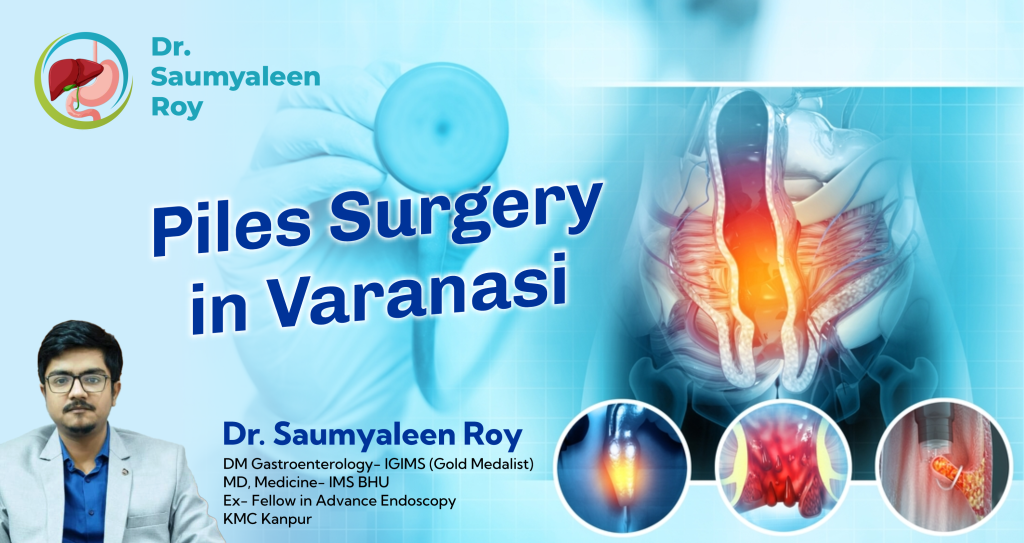
Piles, or hemorrhoids, touch the lives of millions but remain an awkward topic for many. When lifestyle changes and over-the-counter creams no longer ease the discomfort, people start thinking about Piles surgery in Varanasi. This guide walks through the condition itself, the full range of treatment options, what the surgical journey looks like in this city, and how to find a qualified doctor, all without turning the text into an advertisement. Understanding Piles: What Causes Them? Hemorrhoids are enlarged veins inside or outside the anal canal. They might be internal-germing within the rectum-or external-forming a lump around the anus. Common reasons for their growth include: Chronic constipation and heavy straining A mostly desk-bound or inactive routine Pregnancy, which raises pelvic pressure Being overweight and eating a low-fibre diet People often notice bright-red bleeding during bowel movements, itching or burning around the opening, general soreness, and, in advanced cases, a painful protrusion that will not return inside. The Silent Rise of Liver Diseases As lifestyle-related diseases are increasing, such as the fatty liver, hepatitis and cirrhosis have become increasingly frequent, even among young individuals. Insufficient diet, drinking as well as viral infections and overweight are the main causes. The early detection of liver disease is crucial. The majority of liver disorders don’t exhibit obvious symptoms until the advanced stage. Therefore, liver function tests as well as ultrasounds are suggested even if you’re not susceptible. When Conservative Treatment Is Insufficient Most mild to moderate hemorrhoid problems can be reliably treated through: A high-fiber diet complemented by generous fluid intake Over-the-counter creams and suppositories Warm sitz baths several times a day Simple office procedures such as rubber-band ligation or sclerotherapy In Varanasi, for example, many patients choose sclerotherapy—or piles injection—which specialists perform routinely on Grade I and II internal piles. Yet when hemorrhoids advance to Grade III or IV or produce debilitating pain, piles surgery in Varanasi often becomes the safest, fastest solution. Piles Surgery in Varanasi: Types and Recovery Expectations Surgeons currently offer four main operations: Conventional hemorrhoidectomy- complete excision of internal and external piles. Long-lasting results, but higher immediate pain and a longer healing period. Stapled hemorrhoidopexy (PPH)- a circular stapler lifts the prolapsed tissue and reduces its blood supply. Mildly painful, heals quickly, though recurrences occur slightly more often. Laser hemorrhoidoplasty- focused laser energy coagulates the enlarged vessels. Minimal bleeding, swift recovery, and usually little discomfort. Hemorrhoidal artery ligation (HALO, or THD)- Doppler guidance allows the surgeon to locate and tie the feeding arteries. Ingenious, but it relies on precise skill and training. Recovery is usually marked by several weeks of mild discomfort, the need for judicious pain control, a light diet, and sensible limits on physical activity. When the procedure is performed by a seasoned surgeon in a properly equipped center, that healing period shortens considerably. Choosing a Specialist: Why Expertise Matters Selecting a piles surgeon in Varanasi is an important decision. Although many refer to themselves as specialists, their training and skill levels can differ markedly. Consider the following factors when evaluating options: Qualifications & Experience: Opt for gastroenterologists or surgeons whose formal training covers a broad range of GI procedures and who perform advanced hemorrhoid interventions on a regular basis. Available Techniques: Some clinics offer only basic excisional surgery; others provide minimally invasive choices such as stapling, laser, or Doppler-guided procedures. Be sure your doctor is comfortable with the method best suited to your anatomy and symptom severity. Facility Infrastructure: Reliable outcomes depend on high-quality imaging and support services, so verify that the center has endoscopic ultrasound, dedicated anesthesia staff, and an up-to-date sterile environment. Patient-Centric Approach: Thoughtful follow-up care, realistic pain management plans, dietary advice, and timely check-ups after discharge can shorten convalescence and reduce complications. Why Varanasi Is Emerging as a Hub for Piles Surgery In just a few years Varanasi has grown into a regional center for GI surgery, drawing patients who once felt they had no choice but to travel to larger cities. Factors behind this shift include: Specialist clinics equipped with modern anesthesia labs and high-definition endoscopy suites. Accessible pricing that protects quality without imposing a financial burden. Grass-roots awareness campaigns encouraging earlier diagnosis and treatment. Stringent hygiene protocols are now standard in most private surgical units. Together, these advances allow locals to receive expert care close to home. Preparing for Surgery: What You Should Know Before having piles surgery in Varanasi, please complete these steps: Diagnostic Evaluation- A colonoscopy or sigmoidoscopy will rule out other causes. Pre-Surgery Counselling- You’ll learn about fasting, bowel prep, and any needed changes to your medicines. Hospital Stay- Most procedures are day-care cases; if not, you’ll stay only one night. Recovery Plan- Instruction covers using stool softeners, taking pain relief, eating fiber, and returning for follow-up. Post-Operative Care: To Ensure Smooth Recovery A smooth recovery depends on: Pain Management- Take prescribed medications when needed. Diet & Fluids- Eat high-fiber meals and drink plenty of water to ease bowel movements. Physical Activity- Gentle walking helps; avoid heavy lifting for 2 to 3 weeks. Hygiene- Daily sitz baths, light cleaning, and keeping the area dry prevent infection. Follow-Up Visits– Return for wound care and for the doctor to check for problems. The Road Ahead: Living Pile-Free Post-treatment success often rests on sensible, everyday habits: Eat a fiber-rich diet with whole grains, fruit, and vegetables. Drink plenty of water throughout the day (about 2–3 L). Avoid prolonged sitting, heavy lifting, or straining on the toilet. Aim for 30 minutes of gentle exercise most days. Catch and treat any early symptoms right away to stop recurrence. Choosing the Right Piles Doctor in Varanasi When looking for a Piles specialist in Varanasi, check that the doctor: Is skilled in both non-surgical methods (injection, ligation) and surgery. Works in a clinic with endoscopy, colonoscopy, and modern GI tools. Receives positive reviews for effective care and compassionate support. In the heart of Varanasi, Dr. Saumyaleen Roy is a trusted piles specialist. He earned-medicine the University, Patna) and a Gold Medal, he has fellowships in Endoscopic Ultrasound